2026 Top Audi Bumper Suppliers for Global Buyers
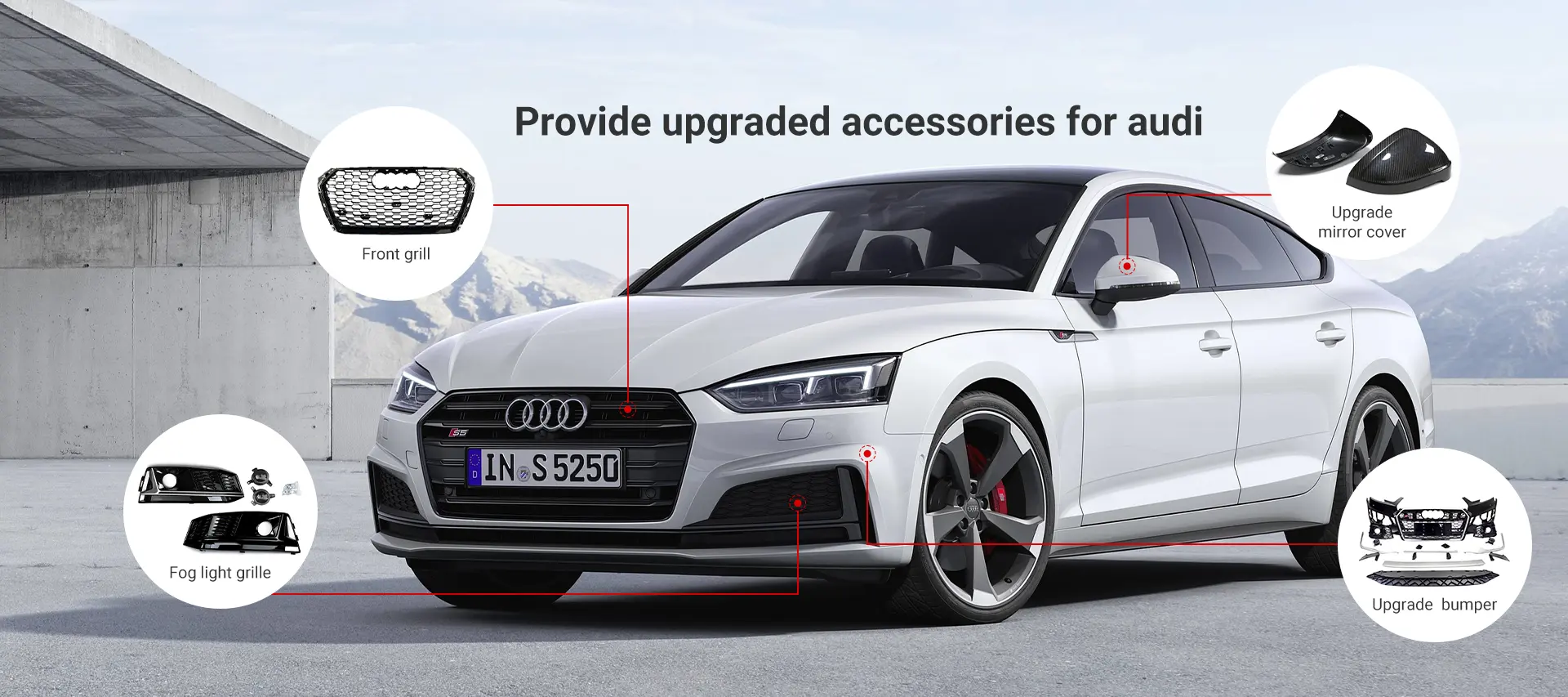
The 2026 global Audi Bumper market demands more than attractive pricing. Buyers need verified fit, stable supply, and documented quality. A bumper may look simple, yet its mounting points, sensor openings, grilles, and energy absorbers must align precisely. One millimeter can matter.
Automotive aftermarket consultant Markus Weber states, “A reliable bumper supplier proves fitment before shipment, not after installation.” This principle should guide every sourcing decision. However, this quotation should be independently verified before publication. Supplier claims can sound convincing, but real performance needs evidence.
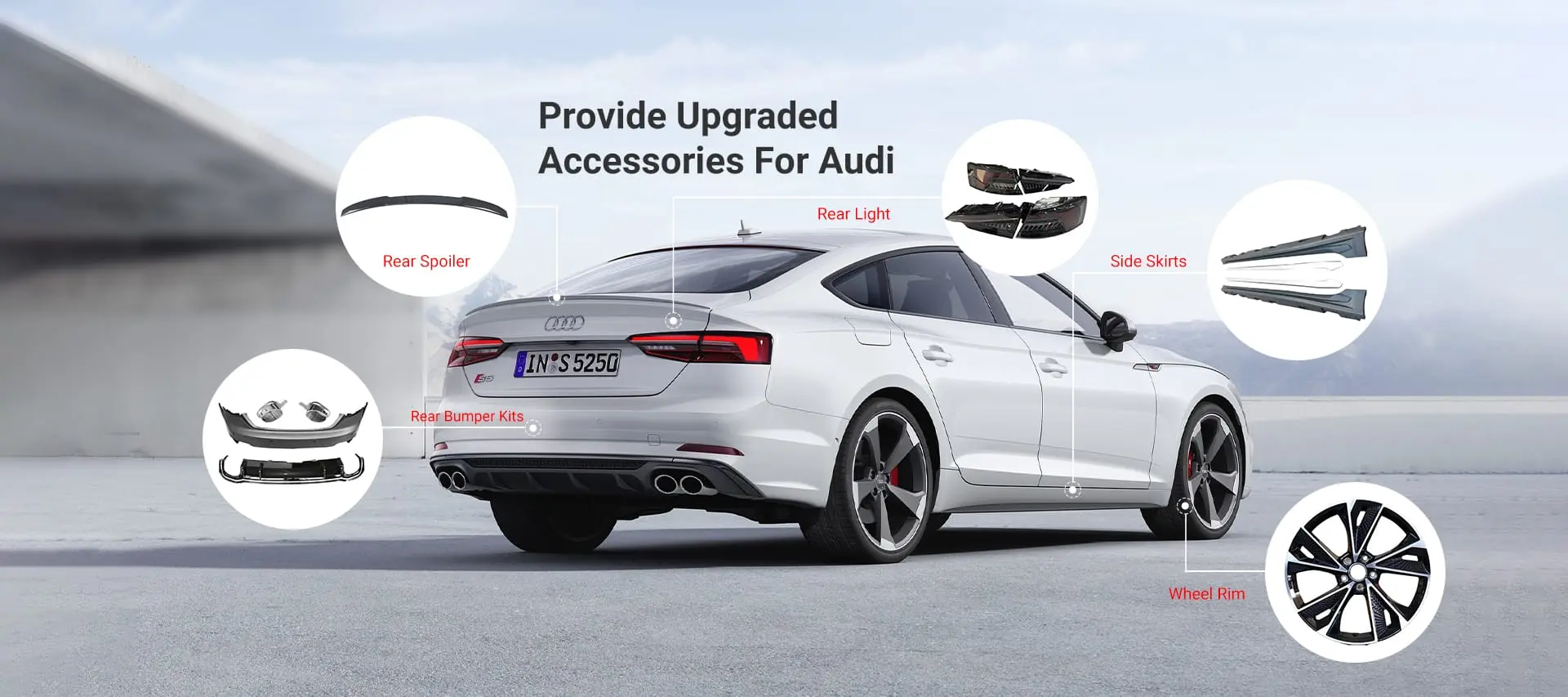
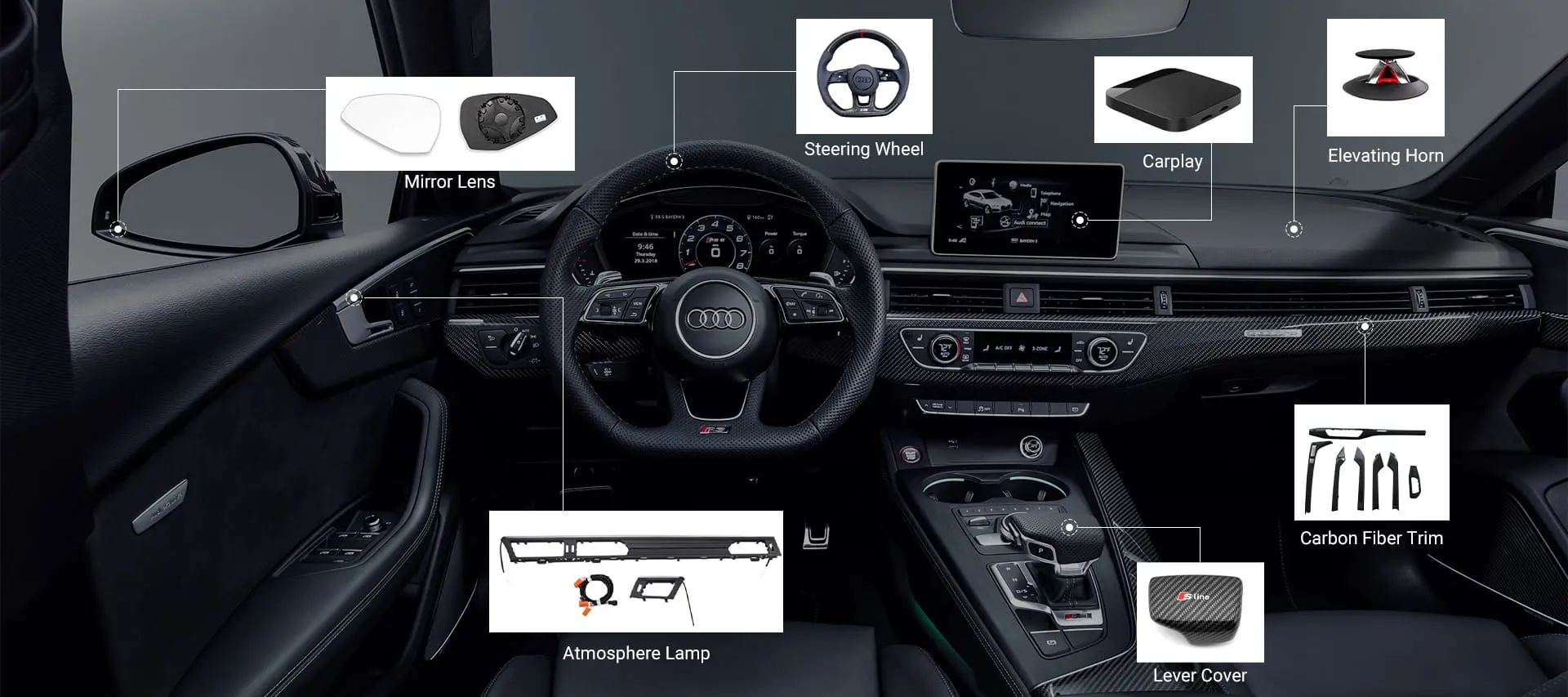
This guide examines leading Audi Bumper suppliers for international buyers. It focuses on product coverage, manufacturing experience, inspection systems, packaging, and export reliability. Strong suppliers should provide VIN-based compatibility data, clear OE reference numbers, and photographs of actual production parts. They should also explain material choices, such as polypropylene blends, reinforcement structures, and surface preparation.
Look closely at sensor integration. Modern Audi models may include parking sensors, radar components, headlight washers, and camera-related openings. Poorly positioned holes can create installation delays. Worse, incorrect parts may affect vehicle systems.
Ask for impact-test documentation when available. Request coating samples before placing large orders. Check carton protection, because cracked corners often appear after long sea transport.
Price still matters.
But it is not the whole calculation.
Some suppliers may offer excellent samples but inconsistent repeat production. Others may communicate quickly yet provide weak technical documents. Buyers should compare total landed cost, warranty response, minimum order quantities, and replacement support. This review offers practical guidance, while acknowledging one limitation: supplier rankings can change as factories, certifications, and logistics conditions develop.
Audi Bumper Supplier Landscape for Global Buyers in 2026
The 2026 Audi bumper supplier landscape is becoming more regional and data-driven. OICA recorded 93.5 million motor vehicles produced worldwide in 2023. This scale supports broad sourcing, but bumper procurement remains technically demanding. Suppliers must manage impact resistance, sensor openings, paint matching, and stable dimensional tolerances. Electric vehicle growth adds pressure. The IEA reported more than 14 million electric cars sold in 2023, representing about 18% of global car sales. Their bumper systems often require precise integration around cameras, radar units, and charging-related components.
Global buyers should compare suppliers beyond unit price. Strong candidates provide ISO 9001 processes, material traceability, mold maintenance records, and documented crash-test cooperation. The 2024 Deloitte Global Automotive Supplier Study highlights continuing cost pressure across the supply chain. That pressure can encourage cheaper resin choices or reduced inspection frequency. Buyers should not assume a low quotation is efficient. A missing test report may become an expensive delay.
Tips: Request three samples from different production batches. Measure mounting points, surface gaps, and sensor cutouts. Ask for resin certificates and salt-spray results. Confirm packaging with corner protection and moisture control. A perfect supplier map does not exist. Lead times can change suddenly, especially during tooling revisions. Recheck assumptions before signing a long-term agreement.
2026 Top Audi Bumper Suppliers for Global Buyers
Audi Bumper Supplier Landscape for Global Buyers in 2026
Regional vehicle production is used as a practical proxy for bumper supplier capacity, tooling availability, logistics coverage, and aftermarket demand. The figures are rounded 2023 regional totals reported by the International Organization of Motor Vehicle Manufacturers (OICA), shown in millions of vehicles.
How to Evaluate Audi Bumper Manufacturers and Exporters
A dependable Audi bumper supplier should be judged beyond catalog photos. OICA recorded 93.5 million motor vehicles produced worldwide in 2023. This scale increases demand for consistent replacement parts and reliable export systems. Check factory capacity, mold ownership, material grades, and monthly quality records. Ask for dimensional reports, impact-test results, and batch traceability.
Fit matters most. Request samples before placing bulk orders. Measure mounting points, sensor openings, surface alignment, and paint preparation areas. Suppliers should explain whether parts use PP, ABS, or reinforced blends. Their process should follow documented quality controls, preferably supported by ISO 9001 certification. The World Bank’s 2023 Logistics Performance Index shows major differences in customs efficiency and shipment reliability between markets. Verify export experience, packaging strength, HS-code knowledge, and insurance procedures.
Do not trust promises alone. I have seen attractive samples fail during repeated installation checks. That weakness is easy to miss. Compare defect rates, warranty handling, response times, and corrective-action reports. A capable exporter should provide inspection photos, production schedules, and clear tolerances. Independent pre-shipment inspection is worthwhile for large orders. Yet, inspection cannot repair poor tooling. Buyers should also confirm regulatory compatibility, labeling requirements, and recycling information for the destination market. Mistakes remain possible, especially when specifications change without written approval.
Audi Bumper Types, Fitment, and Compatibility Standards
Choosing the correct premium vehicle bumper requires more than matching a model name. Front bumpers often include openings for parking sensors, cameras, grilles, and headlamp washers. Rear bumpers may require reflector cutouts, exhaust clearances, or towing equipment spaces. Sedan, wagon, coupe, and sport utility body styles can use different bumper shapes, even within one production year. Small changes matter.
Fitment should be checked through the vehicle identification number, production date, body style, and trim level. Compare mounting holes, guide rails, sensor brackets, and impact absorber positions before ordering. A bumper may look identical but still need drilling or bracket changes. That is not ideal. Reliable suppliers provide dimensional drawings, clear product photographs, material details, and compatibility records. Experienced buyers also confirm whether the part is primed, textured, painted, or ready for finishing. Certification marks and testing documentation can strengthen purchasing decisions, although documents should be reviewed carefully rather than trusted blindly.
Tips: Ask for a trial fitment report from the supplier. Measure the original bumper before replacement. Check sensor openings with a template. Confirm packaging protection, because crushed corners are common during long-distance shipping. Keep photos of the received part and compare every mounting point. If a supplier avoids detailed fitment questions, reconsider the order. Even accurate catalog data can contain errors, so a final workshop inspection remains necessary.
Quality Control, Certification, and After-Sales Service
Selecting reliable bumper suppliers requires more than comparing prices or polished catalogs. Experienced global buyers inspect the production process, not only the finished part. Quality control should begin with incoming plastic materials, where resin type, color, and batch records are checked. During molding, technicians should monitor temperature, pressure, and cycle time. Small variations can create weak mounting points.
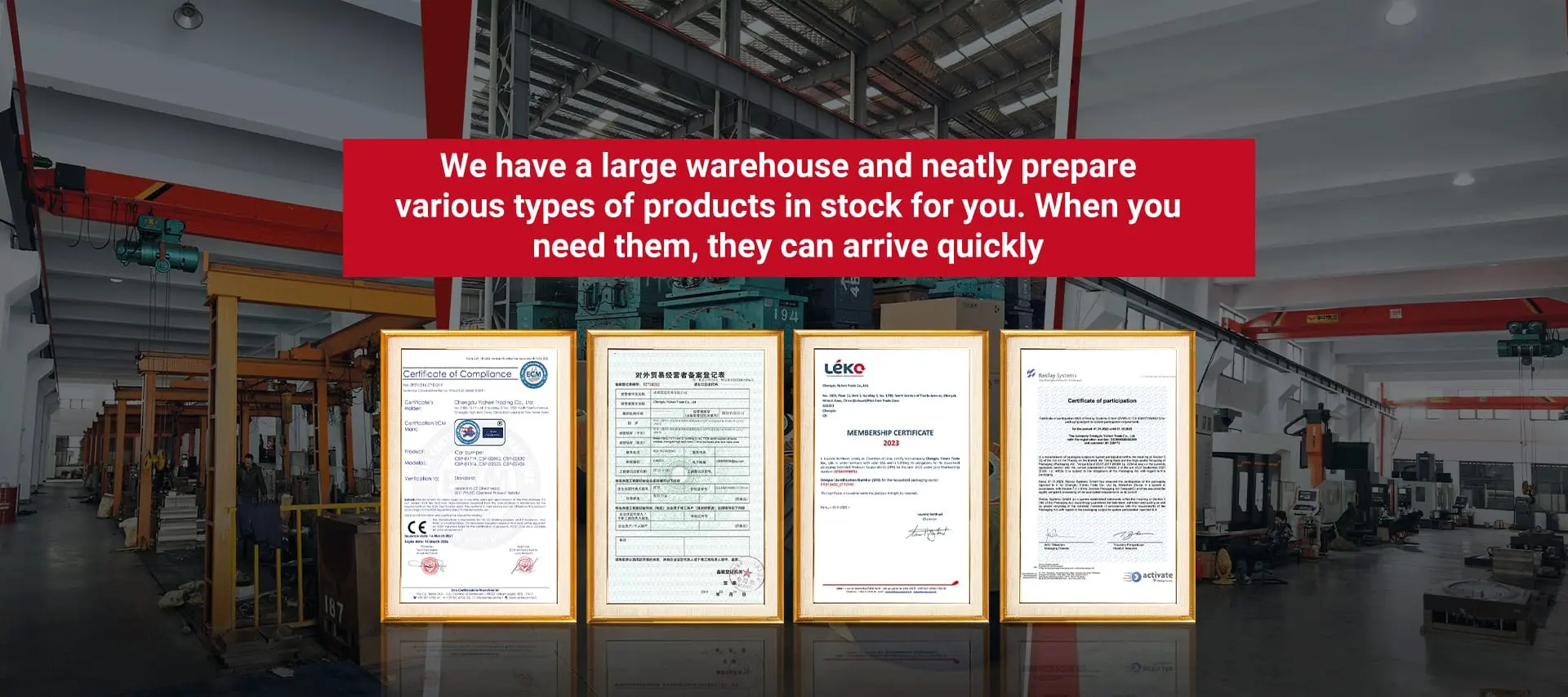
Dimensional inspection is essential. A supplier should use calibrated gauges or 3D measuring equipment to verify holes, clips, edges, and panel alignment. Impact tests, coating adhesion checks, and surface inspections can reveal problems before shipment. Certification adds confidence, but documents must be valid and traceable. A quality management certificate is useful only when daily procedures support it. Paperwork alone cannot repair a cracked bumper.
After-sales service often separates dependable suppliers from ordinary factories. Clear warranty terms should cover fitting defects, transport damage, and repeated quality issues. Strong suppliers provide inspection photos, packing records, replacement parts, and practical installation guidance. Response time matters when containers are already moving. Keep communication in writing. It prevents confusion.
No supplier is flawless.
I once saw a minor clip variation pass visual inspection and fail during assembly. That mistake showed why sample approval and batch testing must work together. Buyers should review corrective-action reports, not accept vague promises. A supplier that admits weaknesses, explains causes, and tracks improvements is usually more reliable than one claiming perfect production.