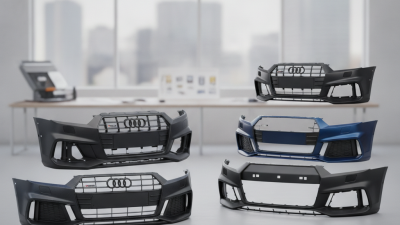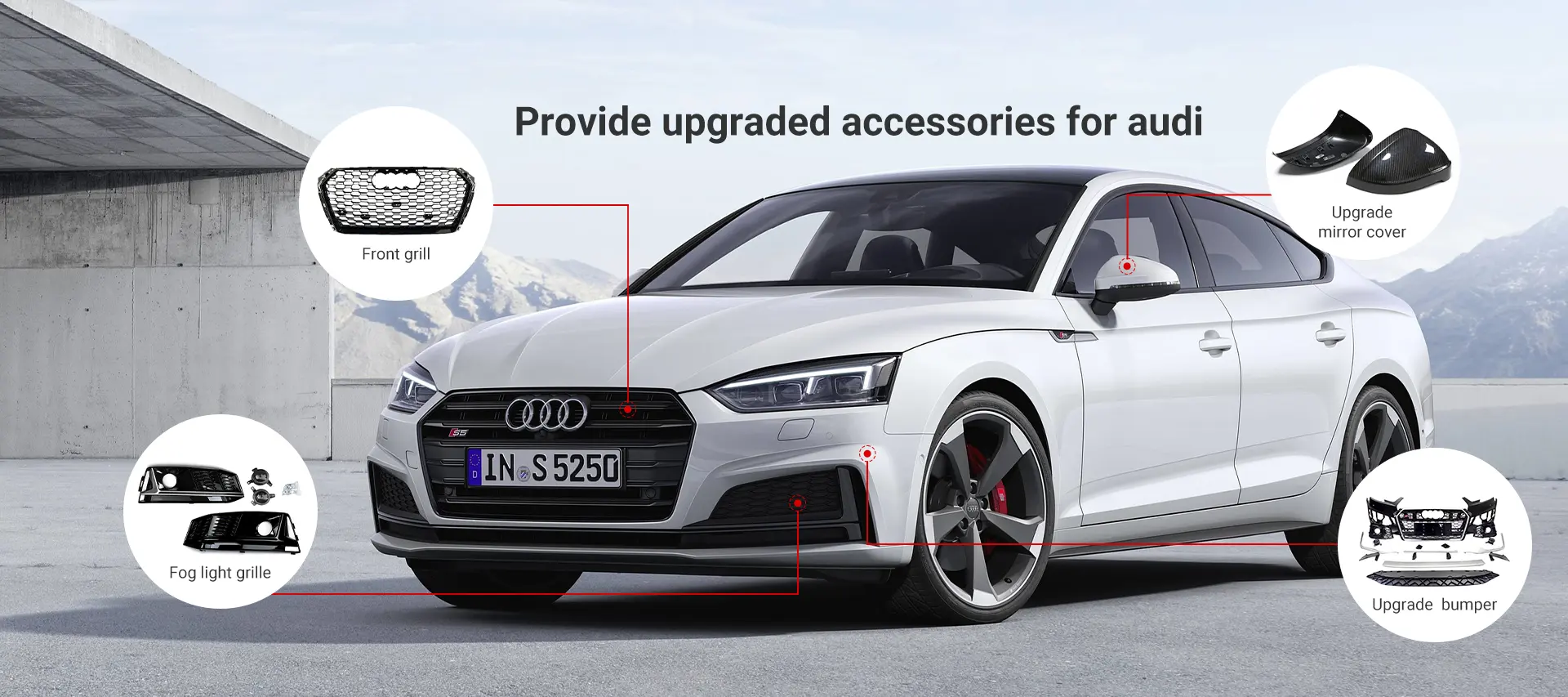
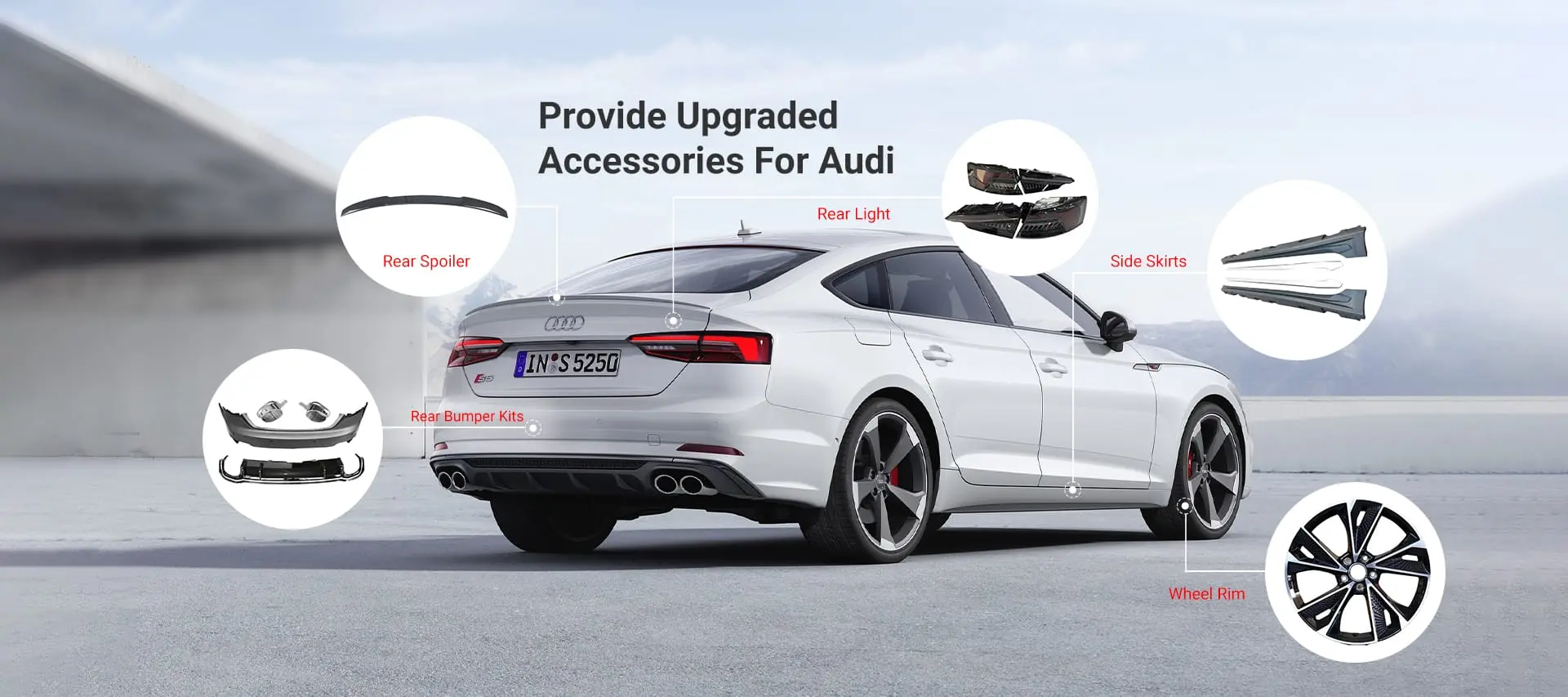

Choosing the right Audi Bumper for global sourcing requires more than comparing prices online. Buyers must examine fitment, material quality, production consistency, and shipping protection before placing an order.
“Fitment is the first test of a replacement bumper, because a low price cannot correct poor alignment,” says Martin Keller, an automotive body-parts sourcing consultant with more than 20 years of repair and procurement experience. His observation reflects workshop reality. A bumper may look identical in photographs, yet its mounting holes can shift several millimeters. That small error can delay installation, increase labor costs, and disappoint customers.
The sourcing process should begin with precise vehicle details. Confirm the Audi model, production year, body style, facelift version, parking-sensor openings, headlamp-washer provisions, and grille design. Check whether the bumper is supplied primed, painted, or uncoated. Plastic grade matters too. A flexible polypropylene bumper may resist minor impacts, while an overly rigid part can crack around clips and corners.
Ask suppliers for molding samples, dimensional reports, packaging images, and quality-control records. A serious manufacturer should explain how it checks warping, surface defects, and attachment strength. Certifications can support confidence, but they do not replace physical inspection.
There is no perfect shortcut.
Global sourcing also involves freight damage, customs documentation, minimum order quantities, and inconsistent communication. These details seem ordinary, yet they often decide profitability. Even experienced buyers can overlook them. A small trial order, independent inspection, and clear acceptance standard can expose weaknesses before a larger Audi Bumper purchase begins.

Bumper selection starts with identifying the exact vehicle configuration. Front and rear covers differ in shape, mounting points, and openings for grilles or exhaust outlets. Some versions include parking-sensor holes, camera mounts, or headlamp-washer cutouts. Sport-styled trims may use a different lower valance. Details matter. A cover that looks correct in a photo can still leave a sensor misaligned or a fastener unsupported.
For global sourcing, provide the model year, body style, trim, and vehicle identification details when available. Confirm measurements and mounting locations against the original part, not just a broad model listing. Ask suppliers for clear photos of the inner surface, tabs, and molded part markings. These reveal cracks, repairs, or design differences. Material also matters: common plastics can vary in flexibility and repairability, so request the material specification and finish condition. Check whether the part is primed, textured, or ready for paint. It is easy to overlook small brackets. If they are not included, confirm availability and packaging protection before shipment; long transit can damage exposed mounting tabs. Even careful checks cannot replace a physical fit test, and that limitation deserves attention.
Choosing a replacement bumper for global sourcing begins with the vehicle’s exact model year, body style, and trim. Similar-looking versions may use different brackets or sensor openings. Record the vehicle identification details and compare them with the supplier’s fitment data before requesting a quote. Small details matter.
Material choice affects more than price. Polypropylene is flexible and commonly used for bumper covers, while ABS can offer a firmer surface. Check the product specification, mounting-point strength, and resistance to temperature changes during shipping and use. Ask whether the part arrives primed, textured, or ready for finishing. A catalog photo can look convincing, but it cannot prove fit.
Compatibility checks should cover reference numbers, grille and lamp clearances, parking-sensor positions, and any required trim pieces. Confirm that clips and reinforcement interfaces match the intended vehicle configuration. Requirements may differ by destination market, so have the importer verify applicable standards and documentation before purchase. Even experienced buyers can miss a small connector change between model years; a sample fit check may prevent a costly shipment mismatch.
Compare common bumper-cover plastics by typical material density. Density is a material reference—not a substitute for checking vehicle fitment.
Typical unfilled resin density ranges are approximate and vary by grade and formulation. Before sourcing, confirm the exact vehicle year, model, trim, OE part reference, mounting points, and sensor openings. Check applicable market requirements, such as FMVSS No. 581 in the United States or UNECE Regulation No. 42 where applicable.
Choose a bumper supplier by checking its process, not just its quotation. Request current quality certificates, audit findings, and corrective-action records. ISO’s ISO Survey 2022 reported about 1.26 million valid ISO 9001 certificates worldwide. Certification shows a documented system, not proven bumper performance. Ask for part-specific inspection results, material traceability, and validation records for mounting tabs, paint adhesion, and impact behavior.
Production capacity needs evidence. OICA reported approximately 93.5 million motor vehicles produced globally in 2023, a reminder that automotive demand operates at scale. That figure does not confirm any supplier’s capacity. Review molding-machine availability, mold maintenance logs, cavity output, shift schedules, and monthly production records. Ask how the supplier handles a resin delay or an unexpected order increase. A sample bumper should fit the intended vehicle consistently, with no warped edges or misaligned clips.
Paperwork can look tidy. The first shipment may still reveal a weak clip. Arrange a pilot run and inspect parts from different shifts, not only handpicked samples. Compare measured dimensions against the drawing, and confirm that packaging protects painted surfaces during transit. No audit catches everything; record unresolved risks and agree on corrective-action dates before placing a larger order.
Choosing a replacement bumper for the target vehicle begins with fitment, not the lowest quote. Confirm the model year, body style, sensor openings, washer cutouts, and mounting points. Ask suppliers for clear photos of inner brackets and part labels. A bumper that looks right may still need costly trimming or repainting. Fit matters.
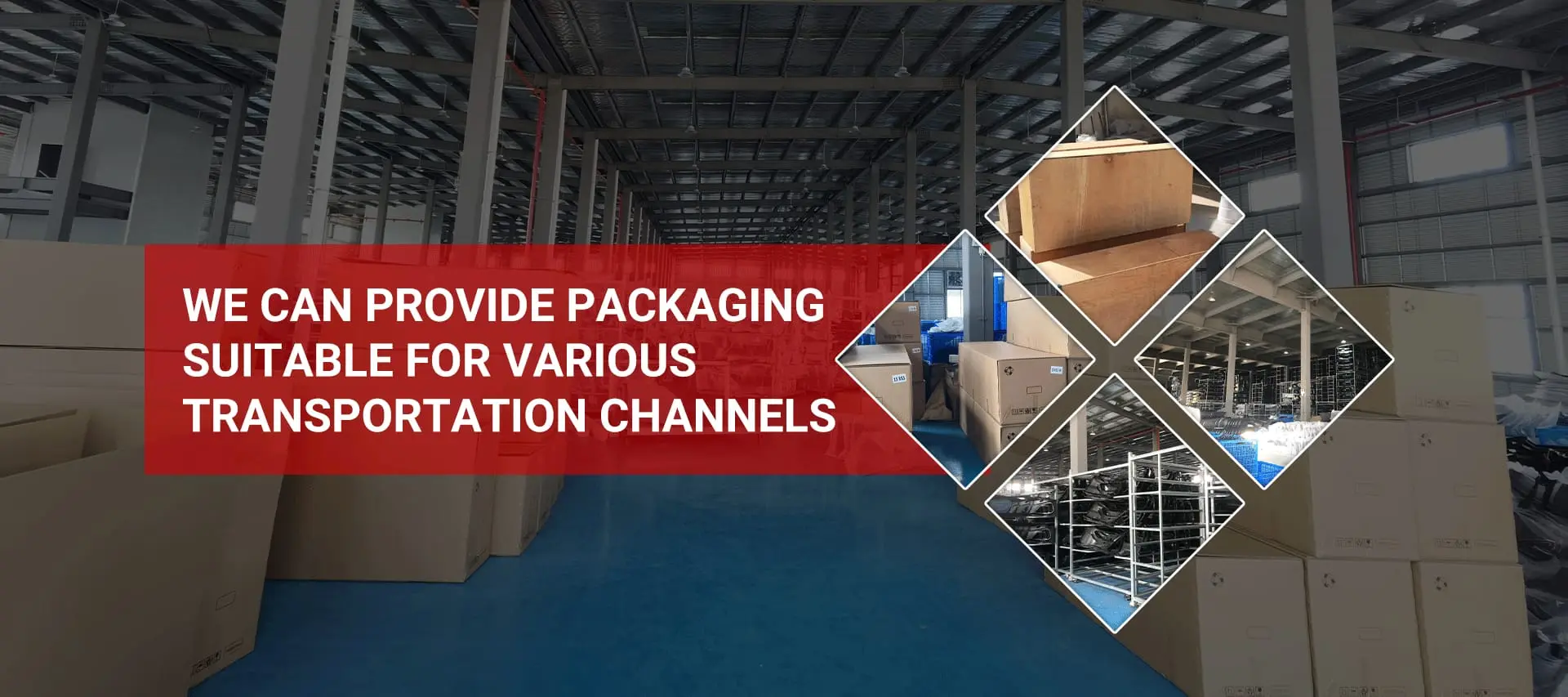
Compare landed cost, not just unit price. Include packaging, export handling, freight, insurance, customs charges, and local taxes in your estimate. Sea freight often costs less for bulky parts, but transit may take weeks and schedules can shift. Air shipping is faster, yet size-based charges can exceed the part’s value. Request carton dimensions and gross weight before booking. Small details count.
Tips: Request written fitment confirmation and a clear damage policy. Use a freight forwarder familiar with automotive parts, and confirm required import documents with local authorities. Check whether the bumper ships primed, bare, or painted; finishing costs vary. Keep delivery photos. Estimates are imperfect, and a port delay or damaged corner can change the budget, so allow room for contingencies.
A reliable bumper order starts with a physical sample, not a catalog image. Check model year, body style, and sensor configuration against the fitment list. Measure mounting points and panel gaps. Inspect tabs, grille openings, surface finish, and protective wrapping under bright light. Small details matter. Photograph each sample beside a ruler, then record defects against an approved drawing. OICA reported about 93.5 million vehicles produced worldwide in 2023, underscoring the scale and variety of fitments buyers may encounter. A broad vehicle count cannot confirm any individual part’s compatibility, though. Ask for a sample matched to the exact application.
Grand View Research estimated the global automotive aftermarket at USD 449.8 billion in 2023, with a projected 4.0% annual growth rate from 2024 to 2030. That figure covers a broad market, not any single vehicle line. For an order, approve a “golden sample” and specify revision, material, finish, carton protection, and inspection points in writing. Measure twice. A clean sample is not proof that every production unit will match. Run a pilot batch, inspect parts before shipment, and keep dated photos and measurement records. If a change appears mid-order, pause and request a revised sample; it may cost time, but prevents avoidable rework.
| Sourcing Stage | Inspection or Control Point | Practical Acceptance Check | Record to Keep |
|---|---|---|---|
| Before sampling | Vehicle and part identification | Confirm the intended vehicle model, model year, body style, market, bumper position, and any relevant production-date or option differences. Match the part reference to the buyer’s approved application data. | Approved application list, part reference, revision level, and written confirmation of any fitment exclusions. |
| Sample review | Material and construction | Check the supplier’s material declaration and compare the sample’s construction with the agreed specification. Record resin identification markings where present; do not rely on appearance alone to identify material. | Material declaration, sample photographs, identification markings, and any agreed test reports. |
| Sample review | Dimensions and mounting features | Measure key overall dimensions and inspect mounting tabs, holes, clips, and locating features against an approved drawing or reference part. Check for distortion, cracks, or incomplete features. | Dimension report showing measurement points, results, equipment used, and the drawing or reference revision. |
| Sample review | Fit and interface check | Where practical, trial-fit the sample to the specified vehicle or a verified fixture. Check panel alignment and interfaces with adjacent components; confirm that fasteners engage without forcing or modification. | Fit-check checklist, photographs of critical interfaces, and a list of any deviations or corrective actions. |
| Sample review | Surface and finish | Inspect under consistent lighting for scratches, sink marks, warpage, uneven texture, contamination, and visible finish variation. For painted or coated parts, agree on the comparison method and reference sample before approval. | Signed sample assessment, finish reference, lighting conditions, and defect photographs where applicable. |
| Sample approval | Sample status and change control | Mark the reviewed sample as approved, conditionally approved, or rejected. Identify the approved sample and revision so that production parts can be checked against the same baseline. | Dated approval record, sample identification, revision, open-issue list, and written authorization for any later change. |
| Order planning | Purchase order specification | State the part reference, revision, quantity, unit of measure, packaging requirements, delivery location, shipment terms, inspection requirements, and required documents in the purchase order. | Purchase order and controlled specification attachments with consistent part references and revisions. |
| Production control | Pre-production and in-process checks | Require confirmation that production uses the approved tooling, material, and finish. Agree on checks for critical dimensions and visible defects, and require notification before changes to material, process, or tooling. | Pre-production approval, inspection results, nonconformance records, and documented change approvals. |
| Shipment release | Final inspection and packaging | Verify quantity, part identification, visible condition, and packaging protection before dispatch. Packaging should help prevent abrasion, deformation, and impact damage during handling and transit. | Final inspection report, packing list, package photographs, carton or pallet count, and shipment details. |
| Order management | Delivery tracking and issue resolution | Track order milestones, shipment documents, and expected delivery dates. Record shortages, transit damage, or quality issues promptly and agree on containment and corrective actions with the supplier. | Order status log, transport documents, receipt inspection, claims, and corrective-action records. |
Note: Use this as a general sourcing checklist. Confirm vehicle-specific application, technical requirements, and applicable market rules against current approved documentation before placing an order.