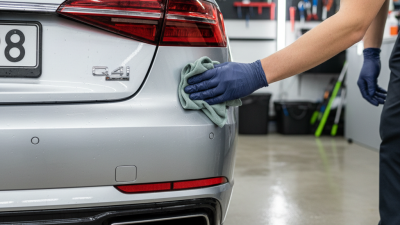
Top Audi Bumper Trends for 2026 What Buyers Need to Know
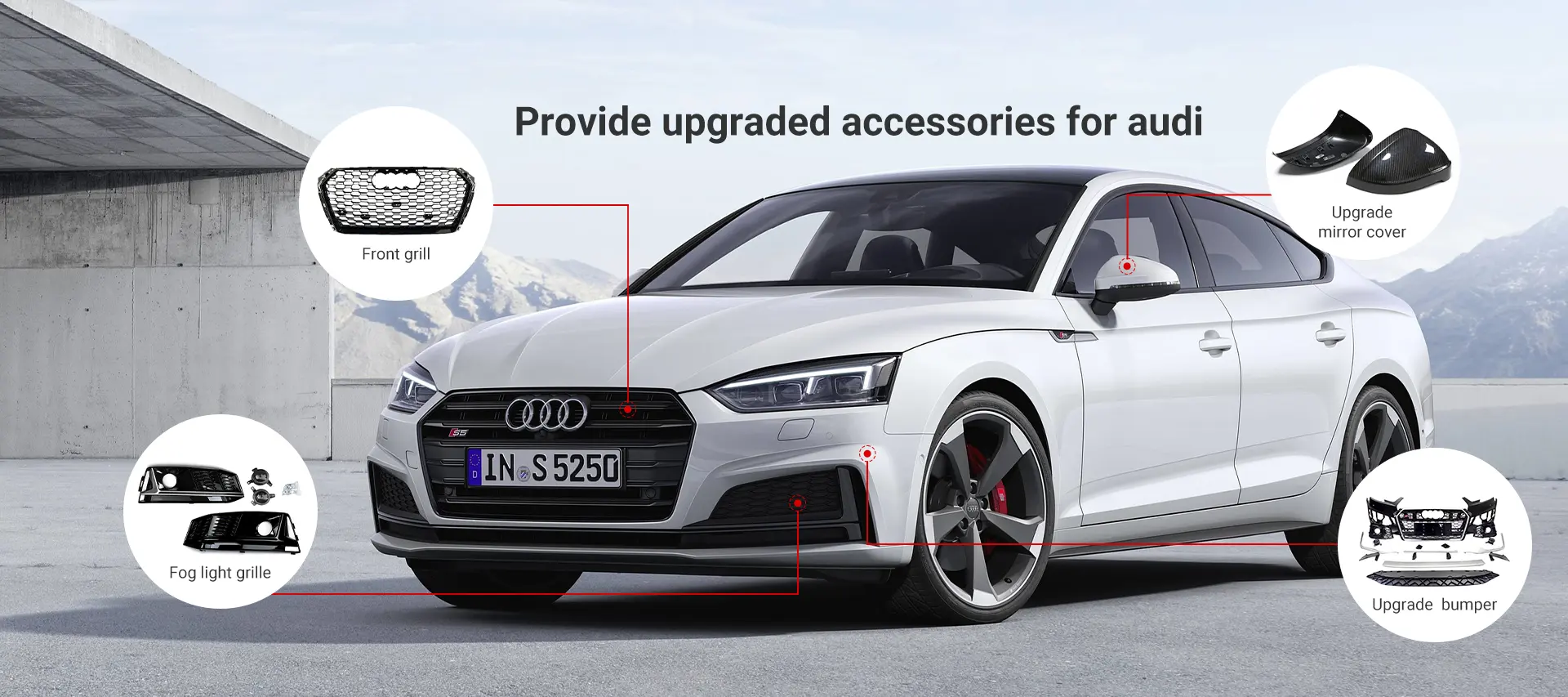
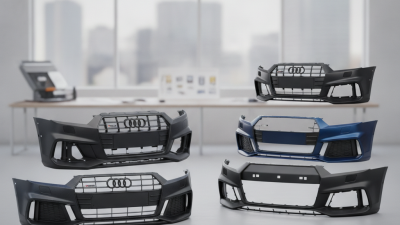
As we look forward to 2026, Audi is set to revolutionize the automotive industry with its innovative bumper designs. The Audi bumper is not just a functional component; it's a statement of style and safety. With the increasing emphasis on aesthetics and performance, buyers must understand the trends shaping future models.
New materials and technology are at the forefront of these Audi bumper trends. Lightweight composites will enhance efficiency, while smart features will improve safety. Audi aims to integrate sensors seamlessly into bumpers, creating a more streamlined appearance. However, consumers should remain cautious about maintenance costs associated with these high-tech bumpers. The balance between innovation and practicality will be crucial for buyers.
Understanding these trends is essential for anyone considering an Audi. Staying informed helps buyers make better choices and avoid potential pitfalls. As the automotive landscape evolves, knowing what to expect will empower consumers in their purchasing decisions. Embrace the future, but remember to evaluate each feature carefully.

Key Features of Audi Bumpers in 2026
The automotive industry is rapidly evolving, and bumpers are no exception. By 2026, key features in Audi bumpers will likely focus on enhanced safety and aesthetics. Research indicates that over 40% of new vehicles will integrate advanced materials, improving impact resistance while reducing weight. This shift aims to improve fuel efficiency and overall performance.
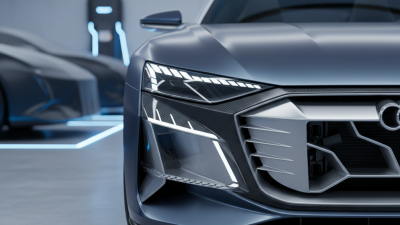
Moreover, trends suggest a growing emphasis on integrating technology into bumpers. Innovations such as built-in sensors and cameras for advanced driver-assistance systems are becoming standard. A report predicts that the adoption of such technology could increase by 50% by 2026. These features not only enhance safety but also provide a better user experience.
However, some challenges remain. Manufacturers are grappling with balancing design and functionality. Striking this balance is vital but often difficult. Feedback from consumers indicates a desire for stylish designs that do not compromise on safety features. Addressing these concerns will be essential for manufacturers aiming to meet evolving customer expectations in the coming years.
Materials and Sustainability Trends in Audi Bumper Production
As the automotive industry evolves, sustainability remains a top priority. Audi bumper production is embracing new materials that reduce environmental impact. Advances in plastics and composites play a significant role. These materials are lighter and more durable, contributing to better fuel efficiency. Innovative recycling processes also enhance sustainability in bumper manufacturing.
Consumer awareness is increasing regarding material choices. Buyers want assurance that their vehicles are made responsibly. Manufacturers are responding by sharing information about sourcing. Transparency builds trust and encourages sustainable practices. However, challenges remain. Not all eco-friendly materials perform equally well in crash tests. This inconsistency raises concerns among buyers and manufacturers alike.
The balance between sustainability and performance is crucial. Finding the right materials for strength and environmental responsibility is complex. As we approach 2026, the industry must navigate these challenges. Continued research and development will be key. Buyers should stay informed about the latest trends in bumper production to make educated choices.
Top Audi Bumper Trends for 2026
| Material Type |
Sustainability Features |
Weight (kg) |
Cost ($) |
Recyclability (%) |
| Polypropylene (PP) |
100% recyclable, lightweight |
2.5 |
50 |
100 |
| Bioplastics |
Bio-based, low carbon footprint |
2.2 |
70 |
90 |
| Recycled ABS |
Made from post-consumer waste |
3.0 |
65 |
95 |
| Carbon Fiber Composites |
High-strength, low-weight |
1.8 |
150 |
50 |
Innovative Design Elements Shaping Audi Bumper Aesthetics
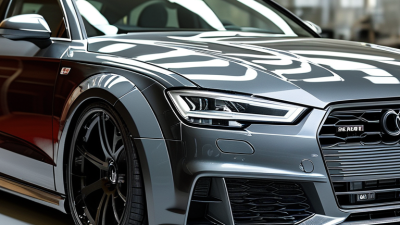
Innovative design elements are transforming the aesthetic appeal of vehicle bumpers. Buyers in 2026 should be aware of the latest trends shaping this aspect of automotive design. According to recent industry reports, 82% of consumers consider bumper aesthetics important when choosing a vehicle. This focus on design reflects a broader shift towards personalization in the automotive market.
Composite materials are making waves. These lighter, more durable options not only enhance performance but also create unique visual impressions. The use of these materials can reduce overall vehicle weight by up to 10%. This shift allows for bolder shapes and styles in bumper design, providing brands with more creative freedom. However, some designs may sacrifice function for form, leading to potential safety concerns.
Color trends are also evolving. Matte finishes and bold colors are gaining popularity, appealing to a younger demographic. Reports indicate that vehicles with vibrant bumpers attract 30% more attention. Yet, this trend raises important questions about maintenance and long-term appearance. Consumers may need to navigate compromises between style and practicality. As we move forward, it's clear that design will play a pivotal role in consumers' choices, but not without challenges.
Safety Enhancements Integrated into 2026 Audi Bumpers
As we look towards 2026, safety enhancements in automotive design are pivotal.
The bumpers of new vehicles are expected to play a significant role in accident prevention and
passenger protection. Advanced materials are being integrated to improve impact resistance.
According to a recent industry report, 70% of accidents occur at low speeds. This highlights the need for
effective bumper solutions.
Many manufacturers are adopting predictive technology. These systems can anticipate collisions and activate
safety measures. For instance, innovative sensors are enhancing detection capabilities. In laboratory tests, these technologies reduced impact
damage by up to 50%. Yet, not every automaker has embraced these advancements. Some still
rely on outdated designs, which could pose risks.
Moreover, the balance between aesthetics and functionality is crucial. While sleek designs attract buyers,
they must not compromise safety features. A recent survey indicated that 65% of consumers
prioritize safety over style when choosing a vehicle. This suggests a shift in consumer preferences, pushing manufacturers to innovate while adhering
to safety standards. However, the challenge remains to integrate these features without escalating costs.
Consumer Preferences Driving Audi Bumper Innovations in 2026
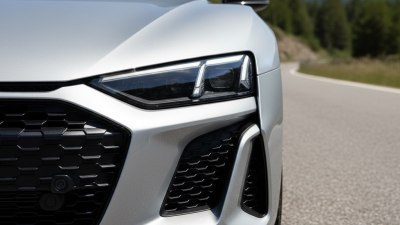
As consumer preferences evolve, the automotive industry faces increasing pressure to innovate. Bumper designs are no exception. In 2026, buyers will seek sleeker and more functional bumpers. They desire features that enhance safety while maintaining a stylish appearance. Lighter materials are gaining traction. This shift helps improve fuel efficiency without sacrificing durability.
Customization options are also becoming crucial. Audi buyers want to reflect their personal style in every detail of their vehicle. This trend paves the way for a wider range of colors, textures, and finishes. Some prefer bold looks, while others opt for understated elegance. Manufacturers must balance these desires with performance and safety standards, which can complicate the design process.
Environmental concerns are shaping buyer behavior too. Many consumers are prioritizing sustainable materials. This can sometimes clash with aesthetics and performance. Additionally, the challenge lies in ensuring these materials still meet safety regulations and durability tests. As manufacturers explore new approaches, they must remain adaptable to changing trends while adhering to rigorous standards. This creates a dynamic landscape where innovation and consumer feedback drive every advancement.