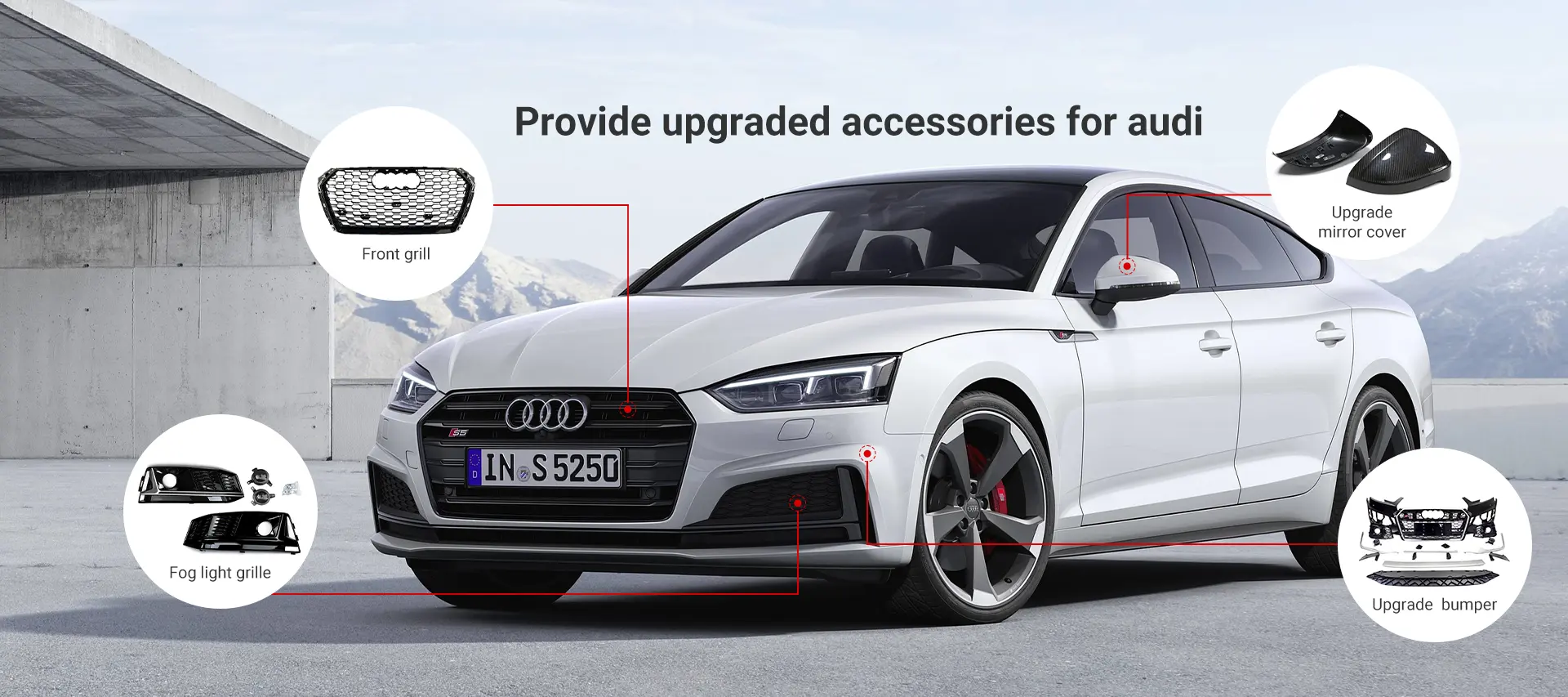
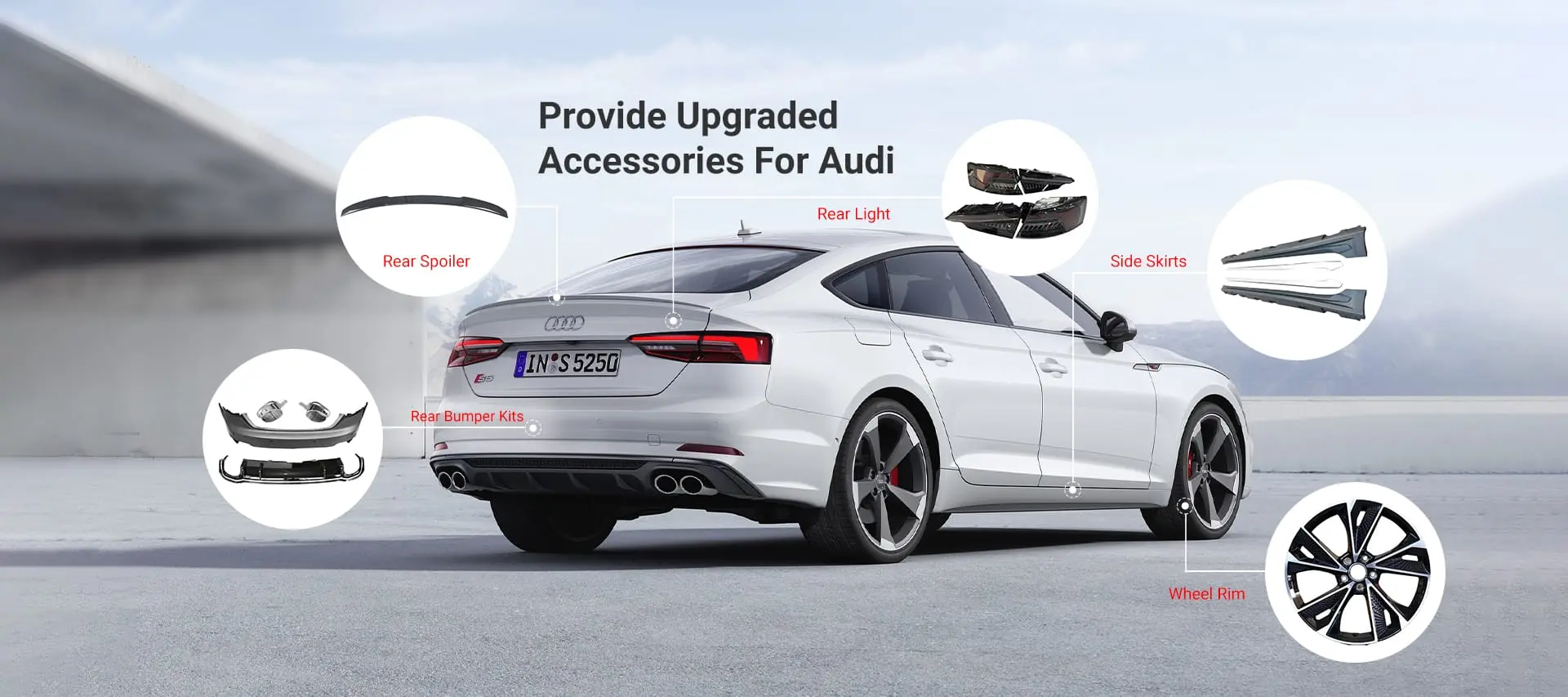
How to Choose the Right Audi Bumper for Your Vehicle?
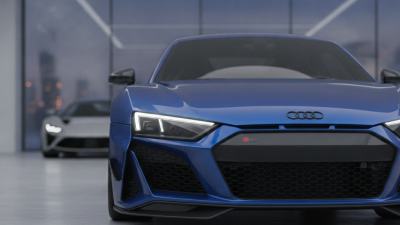
Choosing the right Audi bumper is crucial for both performance and aesthetics. An Audi bumper is not just a protective element; it enhances your vehicle's overall design. A well-selected bumper can improve aerodynamics, contributing to better fuel efficiency and road stability.
Understanding the various options available can be overwhelming. Different models and styles may appeal to different preferences. It's essential to consider materials, quality, and compatibility with your specific Audi. Some bumpers prioritize lightweight materials for better speed, while others focus on durability and impact resistance.
Reflecting on your needs is vital. What do you want from your Audi bumper? Do you prioritize style, functionality, or safety? These questions guide you in making a thoughtful decision. Ultimately, the choice can significantly impact your driving experience and vehicle longevity.
Understanding the Importance of Choosing the Right Audi Bumper
Choosing the right bumper for your vehicle is crucial. A bumper is not just a protective barrier; it enhances your car's appearance and functionality. Selecting the proper fit can prevent future mishaps. An ill-fitting bumper may detract from your car's aesthetic, while a well-chosen one can improve its overall look.
Consider materials used in bumper construction. Different materials offer varying levels of durability and impact resistance. For instance, some bumpers may absorb shock better than others. Researching these attributes can prevent damage during accidents. Additionally, think about the design. A streamlined design can complement your vehicle’s lines, while an overly bulky bumper might look out of place.
Furthermore, consider factors like installation ease and cost. An economically priced bumper may seem attractive but can lead to misfit issues. DIY installation might also end in regret if not done correctly. The wrong choice may require additional repairs, leading to unforeseen expenses. Evaluating your options carefully can save you money and headaches later on.
Identifying Your Audi Model and Bumper Specifications
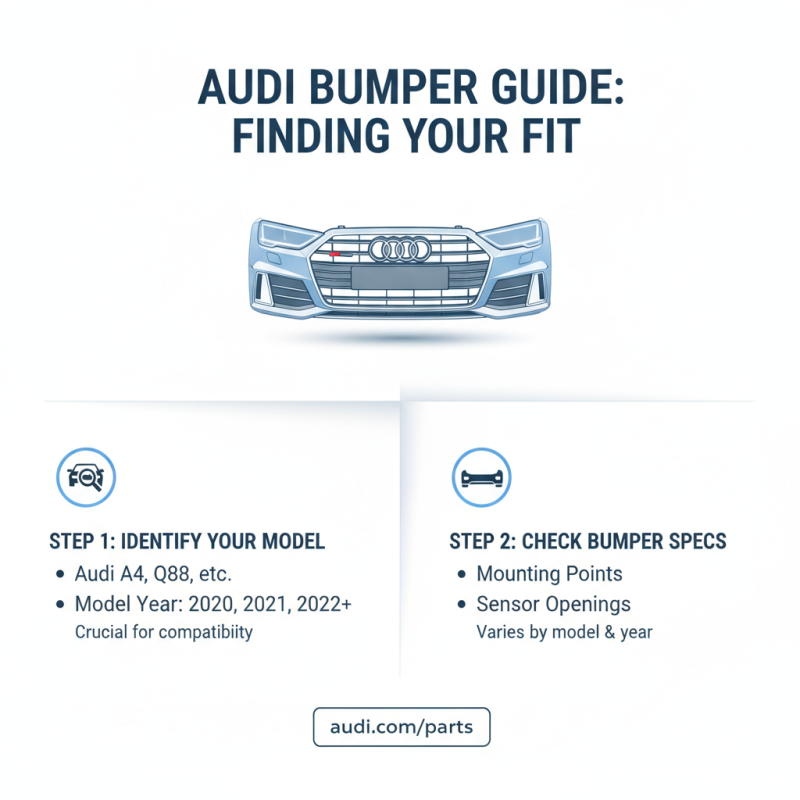
When choosing the right bumper for your Audi, identifying your model is crucial. Each Audi model comes with distinct specifications that influence bumper design. For example, the 2022 models may have different mounting points than earlier versions. Knowing your model year is a powerful starting point.
To find the proper bumper, examine the vehicle's VIN. It offers precise details about the necessary parts. Additionally, measure the width and height of your existing bumper. This can help ensure the new bumper fits perfectly. Always consider aftermarket options, but don’t overlook OEM parts for better reliability.
Experts suggest consulting with automotive specialists for tailored advice. They can help narrow down choices based on performance and style. However, not every option is perfect. Assessing your driving habits and environment will help determine the right bumper. Reflection is key. Are you focused on aesthetics or functionality? Balancing these aspects can be challenging but necessary for satisfaction.
Comparing OEM and Aftermarket Audi Bumpers
When it comes to Audi bumpers, choosing between OEM and aftermarket options is essential. OEM bumpers are made by the original manufacturer, ensuring perfect fit and reliable quality. They maintain the vehicle's integrity and often come with warranties that add peace of mind. However, they typically come at higher prices.
On the other hand, aftermarket bumpers offer flexibility. Many are designed to look similar to OEM parts but can be more affordable. They come in various materials and styles, providing opportunities for customization. Yet, not all aftermarket options guarantee the same level of durability or fit. Some users report installation issues with aftermarket parts. This variability can lead to unexpected challenges.
**Tips:** Always verify the material quality before purchasing. Some bumpers are made from lightweight plastic, which may not withstand impacts. Look for customer reviews on fitment and durability. Ensure any bumper you choose matches your Audi's specifications to avoid future headaches. If you're unsure, consult with a professional to weigh the pros and cons of both options carefully.
Comparison of OEM and Aftermarket Audi Bumpers
This chart compares OEM and aftermarket Audi bumpers across five key dimensions: Price, Quality, Fit, Availability, and Warranty. OEM bumpers generally provide superior quality and fit, but at a higher price and limited availability, while aftermarket options can be more budget-friendly but may vary in quality.
Evaluating Material Options for Durability and Style
When selecting an Audi bumper, material choices are crucial for both durability and style. Common materials include plastic, metal, and composite options. According to a study by the Automotive Materials Society, plastic bumpers represent about 70% of the market due to their lightweight properties and ease of production. They can easily absorb impacts, offering better protection while maintaining aesthetic appeal.
Metal bumpers, such as those made from aluminum or steel, provide enhanced sturdiness. However, they often weigh more, which could affect fuel efficiency. A report by the National Highway Traffic Safety Administration indicates that heavier materials can impact a vehicle's crash performance. While metal bumps might give a more robust appearance, they may not perform as well in terms of energy absorption during minor collisions.
Composite bumpers have emerged as a versatile option. They combine the benefits of plastic and metal, offering strength and flexibility. A recent survey pointed out that over 60% of consumers prefer composites for their superior performance in both durability and aesthetics. This material can be molded into various shapes, allowing for more design options. Yet, their cost may deter some buyers. Evaluating your options can help you balance durability with style effectively.
How to Choose the Right Audi Bumper for Your Vehicle?
| Material |
Durability |
Weight |
Style |
Cost Range |
| Plastic |
Moderate |
Lightweight |
Diverse |
$200 - $400 |
| Fiberglass |
High |
Medium |
Sleek |
$300 - $600 |
| Metal (Aluminum) |
Very High |
Heavy |
Premium |
$500 - $800 |
| Polyurethane |
High |
Medium |
Customizable |
$250 - $500 |
Installation Considerations for Your Selected Audi Bumper
When selecting an Audi bumper, installation considerations must be at the forefront of your mind. Each bumper type has unique installation requirements. Some bumpers may need special tools or modifications to fit correctly. Begin by checking compatibility with your vehicle model. This can save you time and frustration later.
Having the right tools is critical for a successful installation. You might require a torque wrench, a ratchet set, and even trim removal tools. If you're unsure, consult guides specific to the bumper you're installing. Many online resources can provide step-by-step instructions. Watching video tutorials can also be beneficial.
Pay close attention to your bumper's alignment during installation. Misalignment can lead to gaps or a continuous need for adjustment. It's crucial to tighten all fasteners correctly to avoid future issues. If any components seem difficult to align, take a moment to reassess. Don’t hesitate to seek professional help if needed. Even experienced DIYers can encounter challenges. Reflecting on your installation process can ensure better outcomes next time.