

10 Best Audi Bumpers for Global Buyers

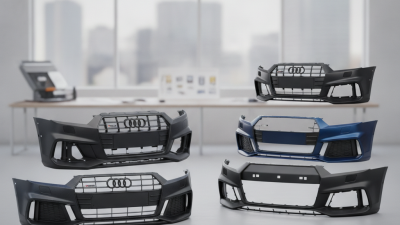
Choosing the right Audi Bumper involves more than comparing shapes, prices, and glossy product photos. Global buyers must examine vehicle generation, production year, trim level, parking sensors, camera openings, mounting points, and material quality. A bumper that looks correct may still require drilling, trimming, or expensive repainting. That detail is easy to miss.

Marc Lichte, Audi’s former Head of Design, once said, “A good design must be functional and emotional.” His principle remains useful when evaluating replacement and aftermarket bumpers. The best options should protect the front or rear structure, preserve the vehicle’s visual balance, and support compatible safety equipment. Plastic thickness matters. So does the accuracy of every bracket and sensor opening.

This guide reviews ten Audi Bumper choices for buyers in different markets. It considers fitment, finish, durability, installation demands, shipping practicality, and long-term value. OEM parts may offer stronger consistency, while reputable aftermarket products can provide broader availability and lower costs. Neither option is perfect. Some attractive bumpers may disappoint during installation. Others may look ordinary but fit remarkably well.

Buyers should also confirm local safety and lighting requirements before ordering. Import rules, repair standards, and sensor calibration practices vary widely. A careful inspection of product images, technical drawings, warranty terms, and seller experience can prevent costly mistakes. We may overlook a minor detail, because real-world vehicle conditions differ. That is why measured comparison matters more than confident advertising.
10 Best Audi Bumpers for Global Buyers

Audi Bumper Types and Their Main Functions

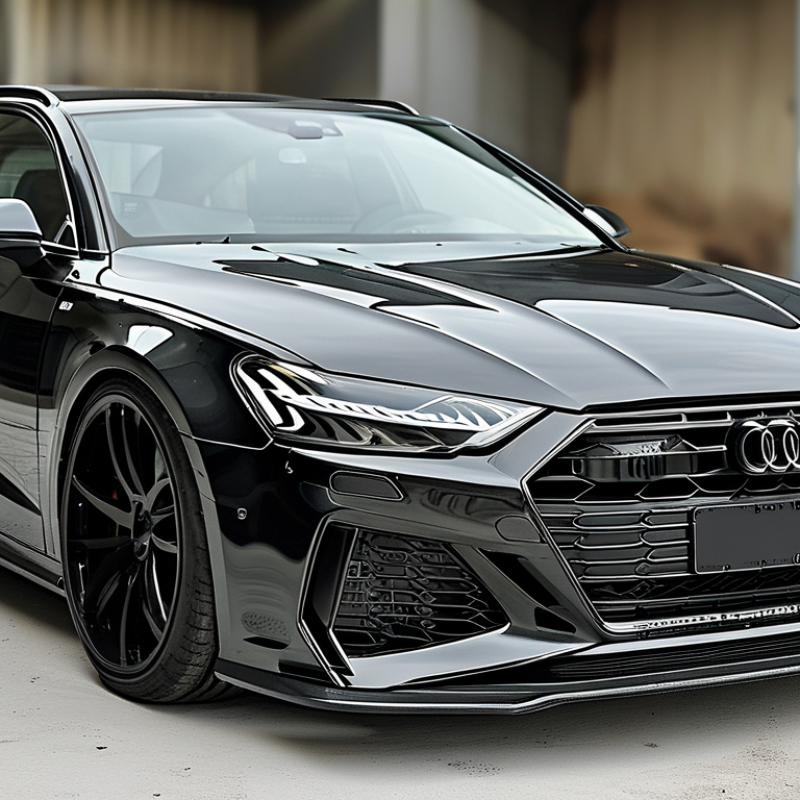
Choosing the right bumper starts with understanding its type and purpose. A standard bumper supports everyday protection during low-speed impacts. It also preserves the vehicle’s original appearance and parking clearance.

Sport-style bumpers often use wider openings and sharper contours. These features can improve airflow, but they may reduce ground clearance. Off-road designs usually provide stronger approach angles and extra space for protective equipment. They are practical on rough roads, not always in crowded city streets.

Material also changes the bumper’s main function. Polypropylene is lightweight, flexible, and commonly suited to daily driving. Fiberglass can create detailed shapes, but it may crack under repeated impacts. Reinforced composite materials offer strength, though they can increase cost and weight.

In workshop inspections, I check mounting points before judging surface quality. A smooth finish means little if the brackets do not align. A perfect-looking bumper can still be wrong.

Global buyers should verify the exact model year, body style, sensor openings, and lighting positions. Small differences can affect installation and safety-system performance. Shipping dimensions matter too. Large packaging may raise transport costs or increase damage risk. I recommend requesting clear photos of the inner structure and hardware. Fitment claims are not always precise. Local road rules may also limit changes to lighting, plate placement, or external projections. Buyers should confirm these requirements before ordering, because replacement work becomes expensive when assumptions fail.

Key Fitment Details for Different Audi Models

Choosing among the ten best bumpers requires more than matching a year and model name. Fitment can change between sedan, wagon, coupe, and sport utility versions. A bumper for an A4 sedan may not suit an A4 Avant. Check the production year, body style, front or rear position, and parking sensor openings. Headlight washers and grille shapes also matter. Even small differences can leave uneven gaps near the fenders.

For A6, Q5, Q7, and TT models, compare mounting points before ordering. Some versions use different lower grilles, fog-light surrounds, or radar brackets. Confirm whether the bumper includes reinforcement, clips, tow-hook covers, and sensor holders. An unpainted replacement may require sanding and careful color matching. I have seen accurate listings fail because the buyer ignored a mid-year design change. That detail is easy to miss.

Tips: Use the vehicle identification number when possible. Measure the old bumper’s side brackets and lower edge. Ask for underside photographs, not only polished front views. Check sensor compatibility before selecting a bumper with pre-cut holes. A professional body technician can test-fit the panel before painting. Do not assume “direct fit” means complete installation. Sometimes, it only means the outer shell matches. Photograph every bracket before removal. This prevents confusion later.

10 Best Audi Bumpers for Global Buyers - Key Fitment Details for Different Audi Models

No. Bumper Configuration Compatible Audi Model Model Years Position Key Fitment Details Sensor & Washer Provisions Typical Material Global Buyer Notes
1 B8 Standard Front Bumper Audi A4 (B8/8K) 2008–2012 Front Fits the pre-facelift B8 body; verify grille, fog-lamp trim, headlamp-washer cut-outs and lower air-intake design. Parking-sensor holes and washer openings vary by vehicle specification. Paintable polypropylene or thermoplastic composite Left-hand-drive and right-hand-drive versions normally share the outer bumper shell, but trim and sensor wiring may differ.
2 B8.5 Facelift Front Bumper Audi A4 (B8.5/8K) 2013–2016 Front Designed for the facelift front end; not a direct visual replacement for the 2008–2012 bumper without matching grille and lighting trim. Select the version with or without parking sensors and headlamp washers to match the original equipment. Paintable polypropylene or thermoplastic composite Confirm whether the car has standard, S line or another factory exterior package before ordering.
3 B9 Standard Front Bumper Audi A4 (B9/8W) 2017–2019 Front Fits the pre-facelift B9 body; grille shape, side mounting points and lower valance must match the 2017–2019 front-end design. Check provisions for front parking sensors, radar equipment and headlamp washers where fitted. Paintable polypropylene or thermoplastic composite Do not use a 2020-on facelift bumper unless the grille, lamps, brackets and related trim are also compatible.
4 B9 Facelift Front Bumper Audi A4 (B9/8W) Facelift 2020–2024 Front Made for the facelift front fascia; verify the grille insert, lower side openings, trim package and sensor layout. Sensor apertures, radar brackets and washer openings must correspond to the vehicle’s original configuration. Paintable polypropylene or thermoplastic composite Use the VIN and a photograph of the original bumper to confirm facelift and equipment compatibility.
5 C7 Front Bumper Audi A6 (C7/4G) 2012–2018 Front Fitment varies between standard, S line and later facelift versions; grille and lower insert compatibility is essential. Confirm parking-sensor count, headlamp-washer openings and any front-assistance sensor bracket. Paintable polypropylene or thermoplastic composite C7 sedan, Avant and allroad body styles should be checked separately because exterior trim can differ.
6 C8 Front Bumper Audi A6 (C8/4K) 2019–2024 Front Requires the correct C8 grille profile, headlamp shape, side guides and lower air-intake arrangement. Advanced driver-assistance equipment may require dedicated radar or camera mounting points; match the original specification. Paintable polypropylene or thermoplastic composite Calibration may be required after work involving radar or camera components.
7 8R Standard Front Bumper Audi Q5 (8R) 2009–2012 Front Fits the pre-facelift first-generation Q5; fog-lamp surrounds, grille design and lower protection trim must match. Available configurations may include parking-sensor holes and headlamp-washer openings. Paintable polypropylene or thermoplastic composite Check whether the vehicle has a standard, sport or off-road exterior package.
8 8R Facelift Front Bumper Audi Q5 (8R) 2013–2017 Front Designed for the facelift Q5; it is not normally interchangeable with the 2009–2012 bumper without matching front-end parts. Match parking sensors, washer cut-outs, fog-lamp trim and any front-camera or radar provisions. Paintable polypropylene or thermoplastic composite Confirm whether the replacement is for a standard Q5, S line-style configuration or another factory package.
9 FY Front Bumper Audi Q5 (FY) 2018–2024 Front Fits the second-generation Q5 body; pre-facelift and facelift versions use different grille, lamp and lower-trim designs. Verify ultrasonic-sensor locations, headlamp washers, front camera and radar mounting requirements. Paintable polypropylene or thermoplastic composite Q5 and Q5 Sportback body panels are not automatically interchangeable; confirm the body style first.
10 4M Rear Bumper Audi Q7 (4M) 2017–2024 Rear Select the correct pre-facelift or facelift rear profile, exhaust cut-out, diffuser style and side mounting arrangement. Parking-sensor positions and trailer-related cut-outs vary by equipment level and market specification. Paintable polypropylene or thermoplastic composite Confirm standard, sport or towing-package configuration and whether the vehicle has a tow-bar access opening.

Fitment can vary by production date, body style, market, drivetrain, trim package and factory-installed equipment. Always verify the VIN, original-part reference, bumper mounting points and sensor openings before purchase.

Material and Design Choices for Global Buyers

For global buyers, the best Audi bumpers begin with material selection, not appearance. Polypropylene remains popular because it is lightweight, flexible, and easier to repair after low-speed impacts. Fiberglass-reinforced plastic offers greater stiffness, but it can crack instead of flexing. Aluminum reinforcement improves strength, yet it adds cost and requires careful corrosion protection.

Weight matters. The U.S. Department of Energy’s Vehicle Technologies Office reports that reducing vehicle weight by 10% can improve fuel economy by about 6–8%. This makes a lighter bumper attractive for daily driving and shipping. However, extremely thin plastic may deform around mounting points. That weakness is easy to miss during online purchasing. Check wall thickness, reinforcement ribs, fastener locations, and the quality of the surface finish.

Design must also match regional driving conditions. A bumper with generous ground clearance suits uneven roads, while a tighter profile may improve airflow but scrape easily. Openings should support parking sensors, tow-hook access, and cooling airflow without forced modification. The European Commission’s end-of-life vehicle framework targets 85% reuse or recycling by weight, so recyclable material markings deserve attention. I would also verify impact certification and fitment data before ordering. Small errors can create large installation costs. Material choice is never purely cosmetic.

10 Best Audi Bumpers for Global Buyers: Material and Design Choices

This comparison uses representative tensile-strength values for materials commonly considered in bumper covers, reinforcement beams, and impact-management structures. Actual performance varies by grade, thickness, molding process, and vehicle design.

How to read the chart: Flexible polypropylene and TPO are widely used for lightweight exterior covers, while ABS and PC/ABS provide higher rigidity and surface quality. Steel and aluminum reinforcement designs deliver greater structural strength, but usually add weight and require careful corrosion management.

Safety, Compatibility, and Quality Checks

Choosing a replacement bumper for an Audi requires more than comparing photographs and prices. Safety, compatibility, and quality must guide every purchase, especially for international buyers. In workshop inspections, I check mounting points, reinforcement areas, sensor openings, and panel alignment before installation. A bumper that looks correct may still interfere with parking sensors or impact protection.

Confirm the exact model year, body style, engine layout, and trim level. Export listings sometimes use broad descriptions. That is risky. Request the original part number, clear underside images, and measurements from several angles. Compare these details with your vehicle records or ask a qualified technician to verify them. Small differences in brackets can create major fitting problems.

Material quality matters too. Inspect plastic thickness, molding consistency, surface waves, and repaired cracks. For metal components, examine welds and corrosion protection. A reliable supplier should provide traceable specifications, return terms, and packaging suitable for long-distance shipping. Check whether the part supports factory sensors and approved lighting positions. Looks can mislead.

I once accepted a bumper with excellent paint but weak lower clips. Installation took longer, and the final fit was disappointing. That mistake reminded me to inspect hidden areas, not just the visible finish. Independent testing or documented quality control adds confidence, but paperwork should never replace physical inspection. After fitting, verify gaps, fasteners, sensor operation, and safe clearance before driving.

How to Choose the Best Audi Bumper for Your Market

Choosing the right replacement bumper begins with the market, not the catalog. A bumper built for a compact urban model may not fit another regional trim. Check model year, body style, parking sensors, headlamp washers, and grille openings before ordering. Measure twice. This habit prevents expensive returns. Local road conditions also matter. In areas with rough shoulders, flexible polymer may resist minor impacts better than rigid material. In hot climates, UV-stable material helps reduce fading and surface cracking. In cold regions, check impact performance below freezing.

Regulations and installation practices vary between countries. Confirm pedestrian-safety requirements, lighting positions, plate recess dimensions, and sensor placement with a qualified local technician. Import duties, shipping volume, and warehouse space can change the real purchase cost. A bumper that looks affordable online may become costly after freight and repainting. Ask suppliers for material specifications, fitting instructions, and a clear defect policy. Reliable sellers should provide traceable part references, not vague claims. Test-fit samples are useful for distributors when aftermarket tolerances differ.

Finish quality should match local expectations. Some buyers want a primed surface for painting; others need a ready-to-install finish. Inspect mounting tabs, reinforcement points, and sensor brackets under bright light. Glossy photos can hide uneven edges.

I once trusted a familiar shape without checking the lower air intake. It looked correct, but the clip positions were wrong. That mistake still influences my inspections.

Choose a bumper that fits the vehicle, climate, supply chain, and workshop reality, not merely the lowest listed price.