



How to Choose the Right Audi Bumper for Your Car?
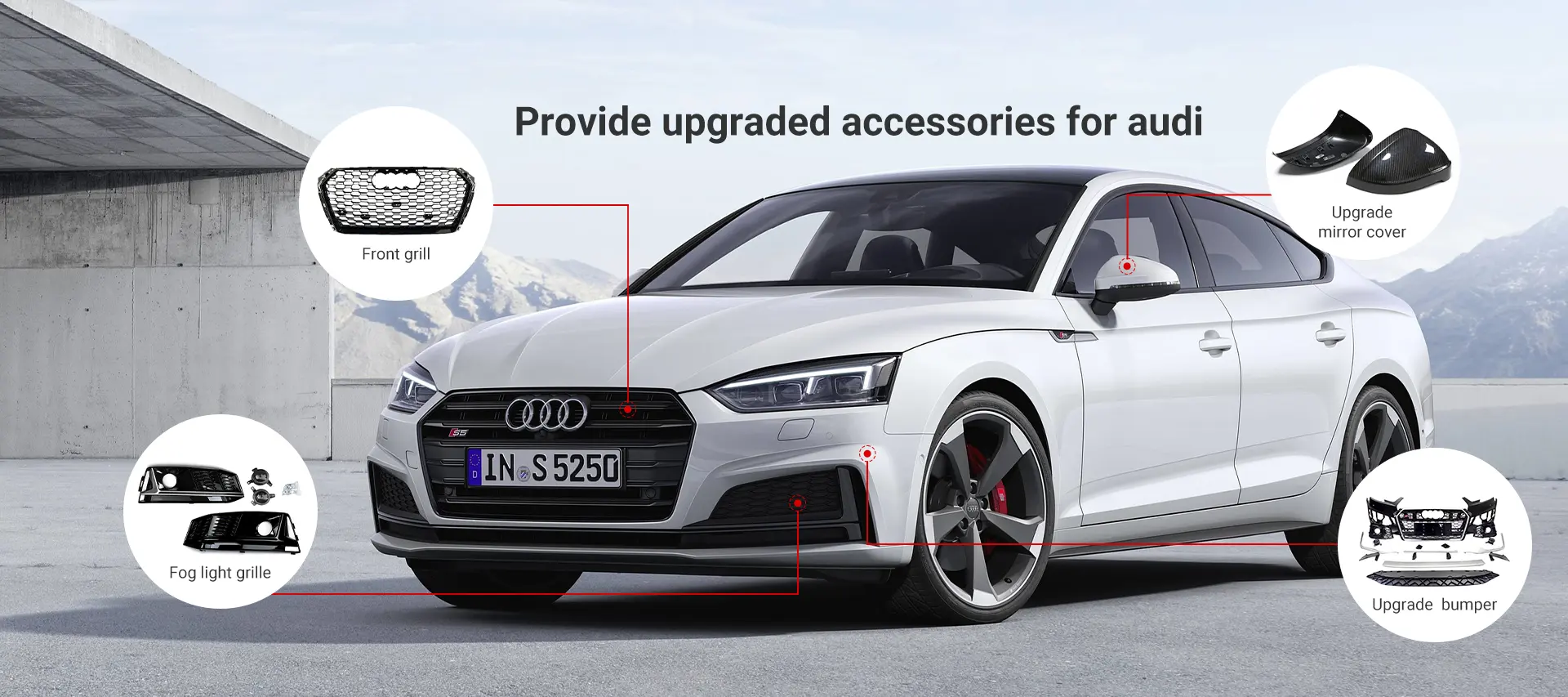
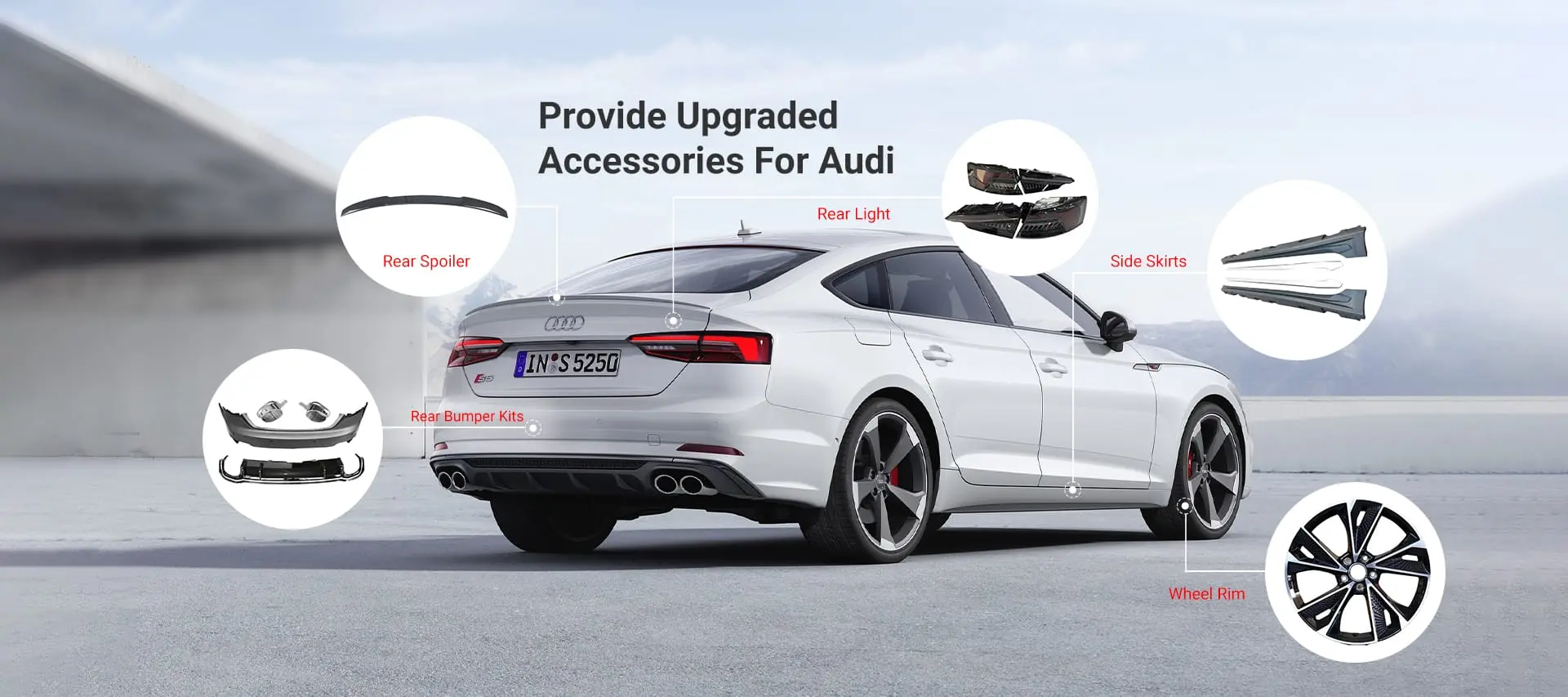
Choosing the right Audi Bumper is not simply a matter of matching a glossy image online. Your car’s model year, trim level, parking sensors, grille design, lighting package, and driver-assistance systems all influence the correct fit. A bumper for an Audi A4 S line may look similar to a standard A4 bumper, yet its mounting points and sensor openings can differ. Small differences matter.
Mike Anderson, a respected collision-repair educator and founder of Collision Advice, often says, “You can’t repair what you can’t measure.” That principle applies when selecting an Audi Bumper. Measure the original part, confirm the vehicle identification number, and compare the manufacturer’s fitment data. Check whether the bumper supports parking sensors, radar brackets, headlamp washers, and camera equipment. Do not assume every aftermarket part is equal.
Material quality matters too. Original equipment parts usually provide predictable alignment and finish. Certified aftermarket options can reduce costs, but their tolerances may vary. A bumper that sits three millimeters low can create uneven gaps around the headlights and fenders. It may also complicate calibration after installation. That is easy to overlook.
Speak with a qualified Audi technician or certified collision center before ordering. Ask for written confirmation of compatibility. Consider paint preparation, sensor calibration, mounting hardware, and warranty coverage. Price is only one part of the decision. Sometimes, the cheapest bumper becomes the most expensive mistake. Your final choice should protect appearance, function, and occupant safety. Perfect fitment is not guaranteed by a product photo. Verification is still necessary.
Identify Your Audi Model, Year, and Bumper Compatibility
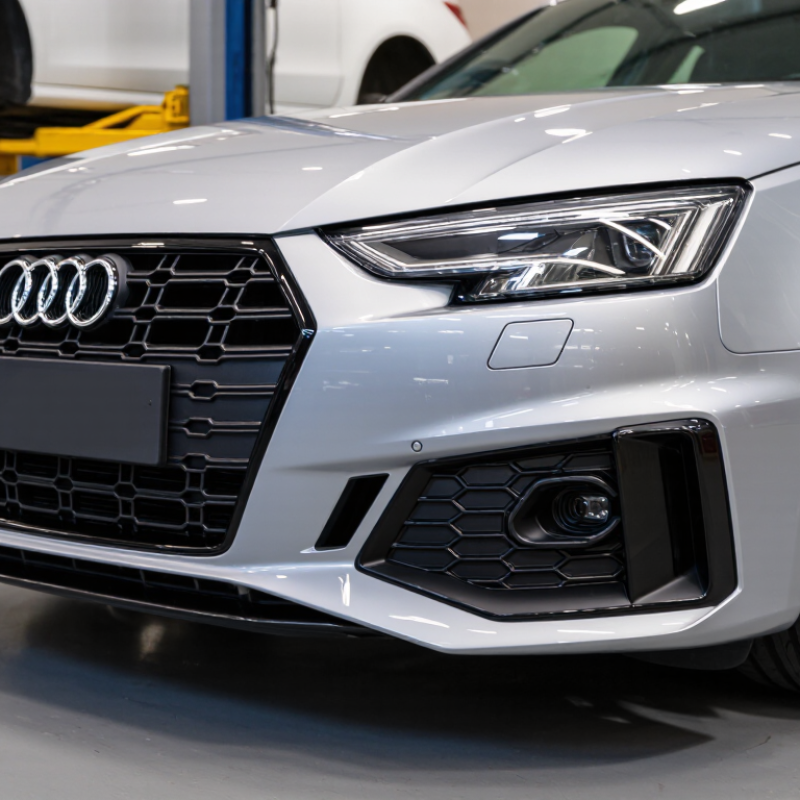
Choosing the correct bumper starts with vehicle identity, not appearance. Record the exact model, production year, body style, and facelift status. A 2018 saloon and estate may use different mounting points. Check the VIN, not only the registration date. The VIN confirms factory equipment and can reveal mid-year changes. I once treated a facelift year as a minor detail. It was not. The bumper shape may match, while reinforcement holes, grille clips, and sensor apertures differ. The 2023 NHTSA recall summary listed more than 35 million affected vehicles, showing why year-specific records matter. A visual match is not proof.
Compare the replacement part number with a trusted catalog and your VIN. Confirm the front or rear position, sensor openings, headlamp-washer cutouts, camera mounts, tow-hook cover, and grille design. Measure the distance between mounting tabs after removing the old bumper. Photograph every connector. These details prevent costly rework. S&P Global Mobility reported that the average U.S. vehicle age reached 12.6 years in 2024, so previous repairs may have introduced mixed parts. That complicates identification. Check carefully. Ask a qualified collision technician to verify fitment before painting. Paint should wait until clips and sensors align. Even professional catalogs can contain superseded numbers. I have seen a “correct” bumper require unexpected modification. If holes differ, stop and investigate.
How to Choose the Right Audi Bumper for Your Car? - Identify Your Audi Model, Year, and Bumper Compatibility
| Audi Model | Typical Model Years | Generation / Platform | Bumper Position | Compatibility Factors to Check | Fitment Guidance |
|---|---|---|---|---|---|
| A4 Sedan / Avant | 2008–2012 | B8 / 8K, pre-facelift | Front or rear | Sedan versus Avant, standard versus S line styling, headlamp washers, parking sensors, grille design, and fog-lamp openings | Do not mix pre-facelift and facelift panels without confirming grille, lamp, and mounting-point compatibility. |
| A4 Sedan / Avant | 2013–2016 | B8.5 / 8K, facelift | Front or rear | Facelift grille shape, S line or standard trim, parking sensors, headlamp washers, and exhaust cut-outs | Match the facelift year range and body style; rear bumper openings may differ by engine and exhaust layout. |
| A3 Sportback | 2015–2020 | 8V, facelift | Front or rear | Sportback body, standard or S line trim, front radar or sensor apertures, parking sensors, and headlamp-washer provisions | A3 Sportback, Sedan, and Cabriolet bumpers are not automatically interchangeable. |
| A3 Sedan | 2015–2020 | 8V | Front or rear | Sedan-specific bumper profile, facelift status, parking sensors, trim package, and exhaust configuration | Confirm the body code and production date before ordering; Sportback parts generally require different mounting and trim pieces. |
| Q5 | 2009–2012 | 8R, pre-facelift | Front or rear | Pre-facelift grille, standard or sport styling, parking sensors, headlamp washers, and tow-bar cut-out | Check whether the bumper includes sensor holders, grilles, lower inserts, or only the painted bumper cover. |
| Q5 | 2013–2017 | 8R, facelift | Front or rear | Facelift front-end shape, parking sensors, headlamp washers, trim package, and rear diffuser or exhaust openings | Use the vehicle identification number or original-part number to verify facelift compatibility. |
| Q7 | 2017–2019 | 4M, first generation | Front or rear | Standard or sport appearance, parking sensors, front camera or radar openings, headlamp washers, and tow-bar provision | Q7 bumpers are vehicle-specific; compare sensor locations and lower grille sections before purchase. |
| A6 Sedan / Avant | 2012–2014 | C7 / 4G, pre-facelift | Front or rear | Sedan versus Avant, standard or sport trim, parking sensors, headlamp washers, grille design, and exhaust arrangement | A6 Sedan and Avant rear bumpers have different body contours and should not be treated as interchangeable. |
| A6 Sedan / Avant | 2015–2018 | C7 / 4G, facelift | Front or rear | Facelift grille, sensor apertures, headlamp-washer openings, sport styling, and exhaust or diffuser configuration | Verify the facelift design and all attached trim components against the original bumper. |
| TT Coupe / Roadster | 2016–2020 | 8S | Front or rear | Coupe versus Roadster, standard or sport styling, parking sensors, grille insert, and exhaust or diffuser design | Coupe and Roadster bumper covers may have different trim and mounting requirements. |
Related Posts
-
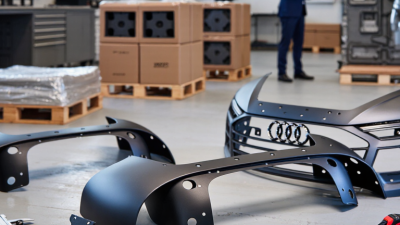
How to Choose the Right Audi Bumper for Global Sourcing?
-
How to Choose the Right Audi Bumper for Your Vehicle?
-
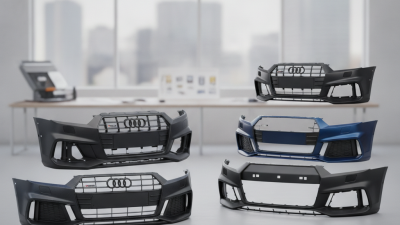
How to Choose the Right Audi Bumper for Your Vehicle?
-
Top Audi Bumper Trends for 2026 What Buyers Need to Know
-
10 Best Audi Bumpers for Global Buyers
-

How to Choose the Right Audi Bumper for Optimal Safety and Style: A Comprehensive Guide


