China Top 10 Front Bumper Manufacturers for Global Buyers
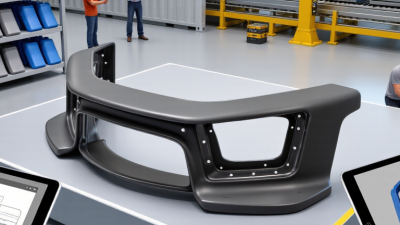
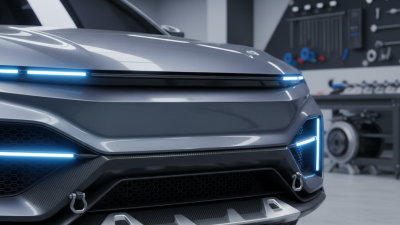
China’s front bumper manufacturing sector has become a practical sourcing option for global automotive buyers. Its factories serve passenger cars, commercial vehicles, electric vehicles, and aftermarket repair networks. Yet supplier selection requires more than comparing catalog photographs. A bumper may look identical online, while its mounting points, polymer grade, surface finish, and impact performance differ greatly.
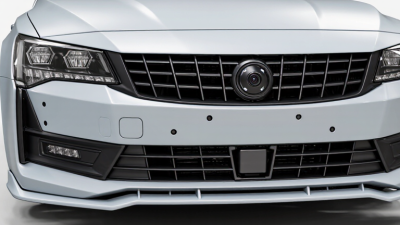
Automotive safety researcher Matthew L. Brumbelow has emphasized, “Vehicle safety depends on how the whole system performs, not on one visible part.” This principle matters when evaluating a Front Bumper supplier. Buyers should examine tooling capability, injection molding control, crash-test evidence, dimensional inspection, and quality traceability. They should also confirm compatibility with sensors, grilles, fog lamps, radar units, and pedestrian-safety structures. Small alignment errors can create visible gaps around the headlamp. Worse, they may complicate installation or affect sensor calibration.
This guide reviews ten China-based Front Bumper manufacturers for international buyers. The comparison considers product range, production experience, customization support, export readiness, certifications, packaging, and communication reliability. Factory audits and sample testing remain valuable. A polished website proves little. The strongest suppliers can explain resin selection, reinforcement design, paint adhesion, and tolerance control in clear terms. Some manufacturers may excel at high-volume replacement parts but lack advanced engineering support. Others may offer excellent prototypes but struggle with stable mass production. The shortlist is useful, not perfect. Buyers should still verify samples, drawings, test reports, and delivery records before signing a purchase agreement. That extra step often prevents expensive surprises.
China’s Front Bumper Manufacturing Industry and Global Market Role
China’s front bumper manufacturing industry has become a key part of the global automotive supply chain. The China Association of Automobile Manufacturers reported 31.28 million vehicles produced in 2024. OICA recorded about 30.16 million units in China during 2023. These volumes create strong demand for molded plastics, reinforcement beams, energy absorbers, sensors, and finishing services.
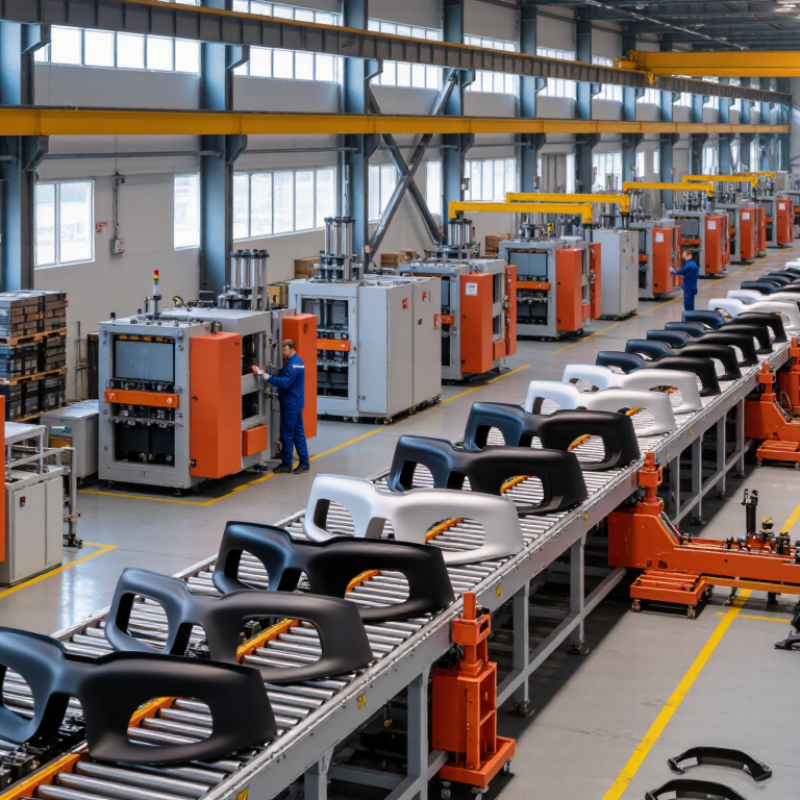
Manufacturers increasingly combine injection molding, automated painting, laser measurement, and impact testing. Export-oriented factories often manage tooling development and assembly under one roof. This can shorten prototype cycles and reduce shipping complexity for overseas buyers. IATF 16949-based quality systems also support traceability, process control, and corrective action. Practical supplier audits should still examine weld strength, dimensional stability, coating adhesion, and cold-weather performance.
Scale is not proof of equal quality. That point matters.
Some suppliers perform well in mass production but struggle with low-volume customization or engineering changes. Buyers should review test reports, material certificates, mold-maintenance records, and production samples before signing contracts. China’s role is expanding beyond low-cost production. It now includes design support, rapid tooling, aftermarket replacement parts, and coordinated global logistics. Yet supply chains remain exposed to resin prices, shipping disruption, and inconsistent standards between markets. The industry’s next challenge is not simply producing more bumpers. It is proving stable performance across different roads, climates, and regulatory requirements.
Top 10 Chinese Front Bumper Manufacturers for International Buyers
China’s front bumper manufacturing base has expanded with its wider automotive growth. The China Association of Automobile Manufacturers reported 31.28 million vehicles produced in 2024. It also recorded 5.86 million vehicle exports. These figures explain why international buyers increasingly evaluate Chinese suppliers for front bumper programs.
This list focuses on ten Chinese manufacturers serving overseas customers. Selection should consider tooling control, injection molding capacity, painting quality, crash-performance testing, and export experience. IATF 16949 certification is useful evidence, but it is not enough. Buyers should also review PPAP records, material certificates, dimensional reports, and traceability samples. The International Energy Agency reported that China represented more than 60% of global electric-car sales in 2023. Therefore, bumper suppliers must support sensors, cameras, radar openings, and lightweight structures.
Small details matter. Check weld lines near parking-sensor holes. Inspect paint consistency under direct light. Ask how rejected parts are isolated. A supplier may offer an attractive quotation, yet weak tooling maintenance can create uneven gaps after several production cycles. A ranking is never perfect. One manufacturer may lead in thermoplastic molding, while another performs better with complex sensor integration. Global buyers should compare audited production evidence, not catalogue promises. Independent validation remains important, especially when shipping schedules, regional specifications, and after-sales replacement needs differ. Data from the China Association of Automobile Manufacturers and the International Energy Agency provide market context, but factory-level verification still decides the practical risk.
Product Standards, Customization, and Quality Control
China Top 10 Front Bumper Manufacturers for Global Buyers
Product standards should guide every supplier comparison. OICA recorded 93.5 million motor vehicles produced worldwide in 2023. That scale increases demand for consistent bumper fit, material strength, and traceable inspections. Global buyers should check compliance with UNECE Regulation No. 42 and FMVSS No. 581 where applicable. These rules address impact performance, mounting, and damage limits. A certificate alone is not enough.
Customization begins with accurate vehicle data. Suppliers should review 3D scans, mounting points, sensor openings, grille alignment, and paint specifications. Prototype testing can reveal stress around clips and parking-sensor holes. Small deviations matter. Good manufacturers document mold changes, resin grades, welding temperatures, and final torque values. The 2023 ISO Survey reported more than 1.2 million ISO 9001 certificates worldwide, yet certification does not prove excellent bumper production. Buyers still need process audits, sample approvals, and independent dimensional reports.
Quality control should cover incoming materials, first-piece inspection, impact testing, coating thickness, and packaging protection. For the top ten candidates, request control plans, failure records, corrective-action evidence, and batch traceability. A 1,000-piece order should not rely on one approved sample. That assumption can fail. Experienced teams also verify performance after heat, cold, humidity, and road vibration exposure. Suppliers may promise perfect fit, but vehicle tolerances and transport damage remain difficult variables. Clear acceptance limits and pre-shipment inspections reduce costly disputes.
Ordering, Exporting, and Partnering with Chinese Manufacturers
China Top 10 Front Bumper Manufacturers for Global Buyers
Ordering, Exporting, and Partnering with Chinese Manufacturers
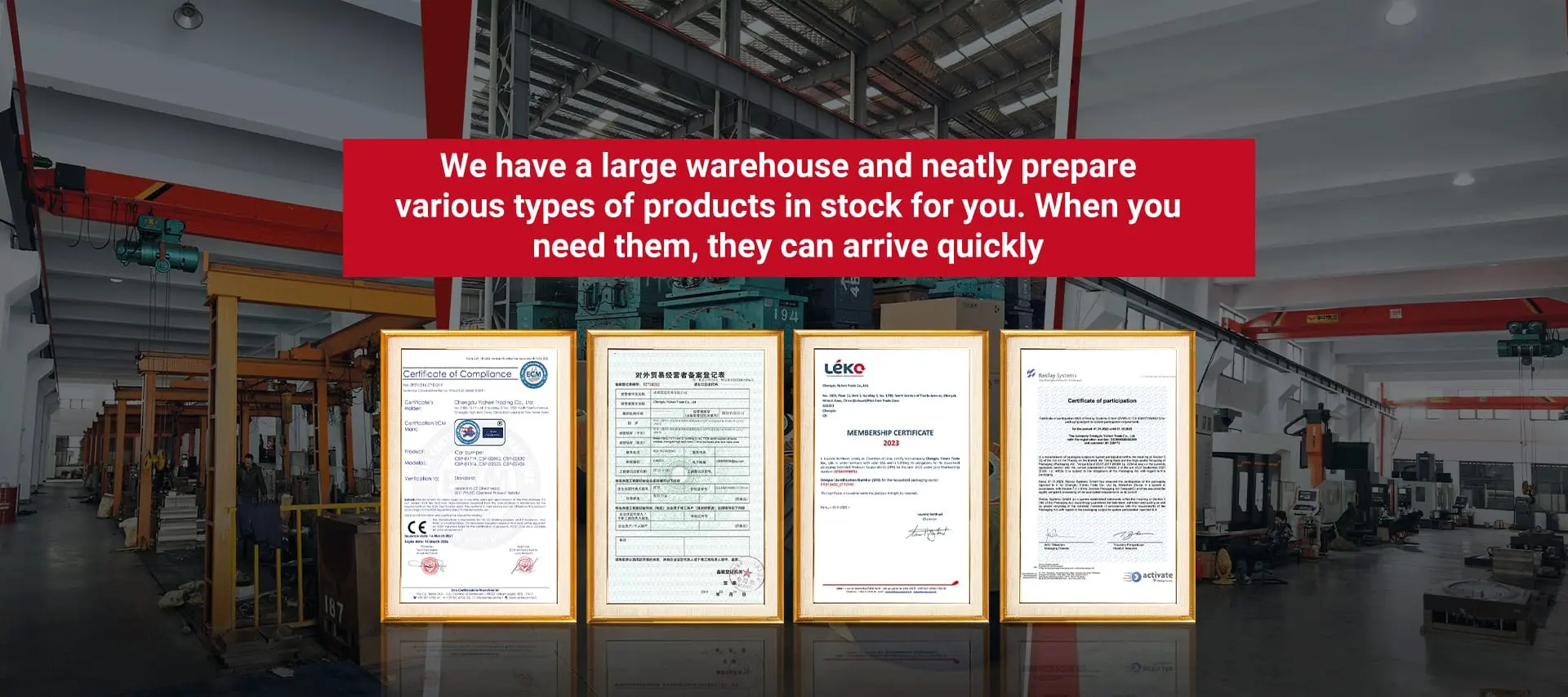
Selecting from China’s top ten front bumper manufacturers requires more than comparing catalog prices. Buyers should examine molding capability, material consistency, impact performance, and replacement-part availability. Ask for factory photos, production videos, and recent inspection records. A serious supplier can explain resin grades, reinforcement methods, and testing procedures clearly.
Request a physical sample before signing a large order. Measure mounting points, grille openings, paint coverage, and surface alignment. A first sample can still disappoint. This is where written feedback matters. Confirm tooling ownership, revision costs, minimum order quantities, and production lead times. Use a detailed purchase agreement with approved drawings and inspection standards. Third-party inspections can check dimensions, packaging, labels, and visible defects before shipment.
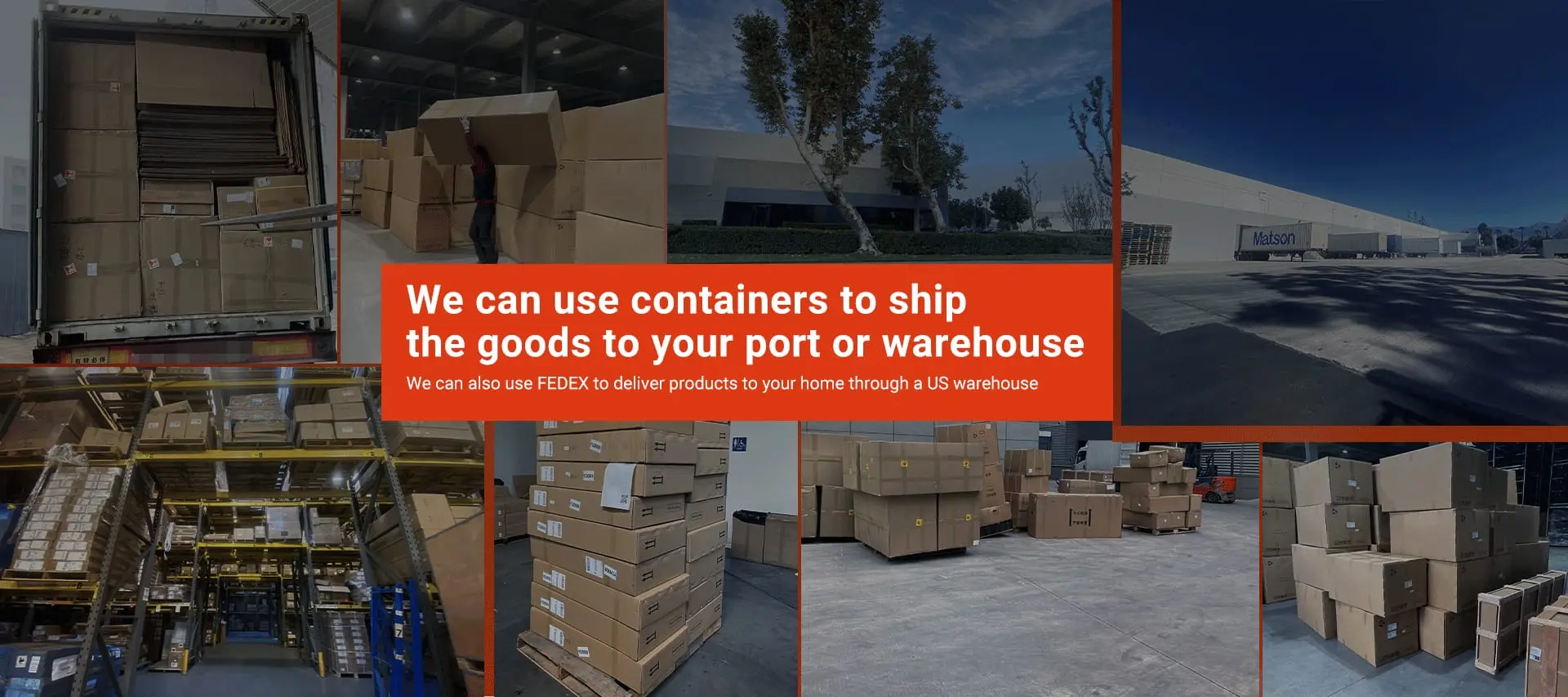
Export planning needs equal attention. Confirm the correct HS classification with a qualified customs professional. Clarify Incoterms, shipping port, carton dimensions, and cargo insurance. Strong packaging uses corner protection, moisture control, and internal supports. Ask the manufacturer to provide commercial invoices, packing lists, certificates, and other documents required in your market. Payment terms should match verified milestones, not promises alone.
Partnership quality develops through communication. Keep one technical contact and one commercial contact. Share photos from test fitting and record every change. Delivery schedules sometimes move because of raw material delays or tooling repairs. Build a realistic buffer. I underestimated this once, and the warehouse waited longer than planned. That mistake still influences how I evaluate suppliers today.
China Top 10 Front Bumper Manufacturers for Global Buyers
China Vehicle Export Growth: A Market Context for Ordering, Exporting, and Partnering
China's vehicle exports increased from 0.995 million units in 2020 to 5.859 million units in 2024. This sustained growth indicates expanding international demand and a broader export ecosystem for automotive components, including front bumpers. Export volume refers to complete vehicles and is provided as market context rather than individual manufacturer performance.
Source: China Association of Automobile Manufacturers (CAAM), annual vehicle export statistics.