


How to Choose the Right Front Bumper for Global Buyers?
Choosing the right Bumper Front for global buyers is not a simple matter of appearance. It affects crash protection, repair costs, vehicle weight, and long-term fit. A practical decision begins with the vehicle’s exact make, model, production year, and market version. Even similar vehicles may use different mounting points or sensor layouts.
David Harkey, a respected automotive safety expert and former IIHS president, said, “The best way to avoid a crash is to avoid the crash in the first place.” His point matters here. A Bumper Front should support safer vehicle design, not encourage aggressive driving or create false confidence. Buyers should check material quality, impact absorption, grille clearance, tow-hook access, and compatibility with parking sensors or radar systems.
Small details matter.
For example, inspect the mounting brackets before purchase. A strong cover is useless if its brackets bend easily. Compare original-equipment parts with aftermarket alternatives, and request test records when available. Confirm that the supplier uses consistent dimensions, corrosion-resistant hardware, and reliable packaging. A scratched or distorted bumper can arrive after a long overseas shipment.
Global buyers also need to review regional vehicle requirements, installation guidance, and warranty terms. Standards differ between markets, and one design may not suit every destination. This is where product descriptions can become too confident. “Universal fit” often needs closer examination. Buyers should ask for drawings, material specifications, production photos, and previous export experience. A careful choice may cost more initially, but it can reduce fitting problems, downtime, and unexpected replacement expenses. Reliability is built through evidence, not attractive claims.
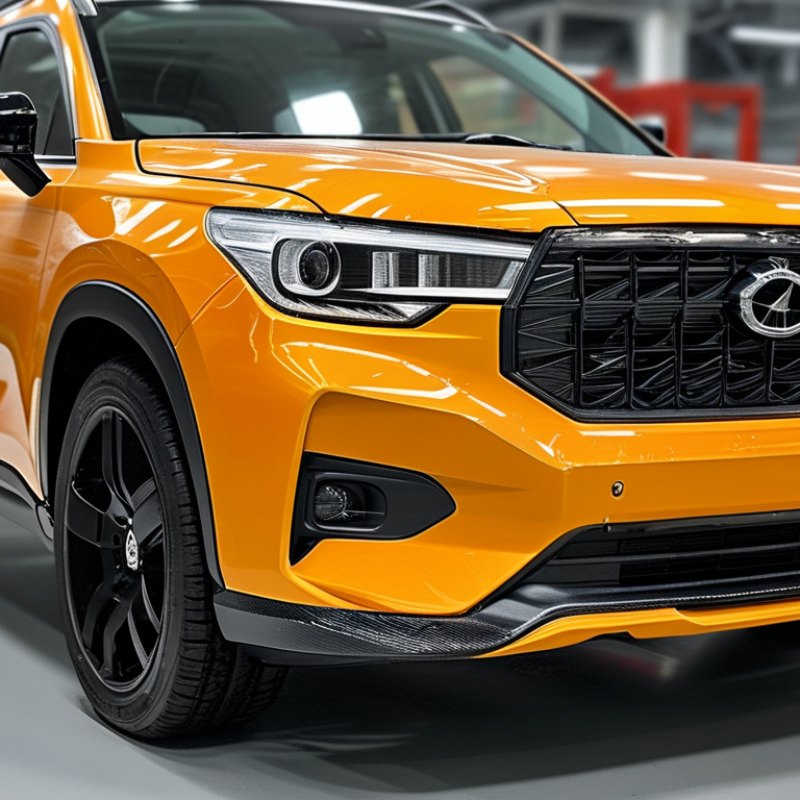
Understanding Front Bumper Types and Their Protective Functions
How to Choose the Right Front Bumper for Global Buyers?
Understanding Front Bumper Types and Their Protective Functions
Front bumpers are not just decorative panels. They manage impact energy and protect important components behind them. Plastic and composite bumpers are lightweight and can absorb low-speed contact. They often suit urban vehicles where fuel efficiency matters. Steel bumpers provide stronger resistance against rocks, uneven roads, and heavy external loads. However, they add weight and may transfer more force to the vehicle frame. Aluminum offers a useful middle ground, but it can cost more and require skilled repairs.
A bumper’s internal structure matters as much as its outer material. Look for reinforcement beams, energy absorbers, mounting brackets, and properly aligned crumple zones. These parts help reduce damage during minor collisions. They also protect radiators, sensors, lighting units, and front suspension parts. Buyers should check vehicle compatibility carefully. A small fitting error can create vibration, poor airflow, or weak attachment points. That mistake is easy to underestimate.
Tips: Match the bumper to road conditions, climate, vehicle weight, and repair access. Check corrosion protection before shipping to humid regions. Ask for verified dimensions, installation guidance, and test documentation. A very strong bumper is not always the safest choice. It may increase weight or affect sensor performance. I have found that buyers sometimes focus on appearance first, then discover costly fitting problems. A careful inspection before purchase is wiser.
How to Choose the Right Front Bumper for Global Buyers? - Understanding Front Bumper Types and Their Protective Functions
| Front Bumper Type | Typical Construction | Primary Protective Function | Impact Protection Level | Weight and Fuel Efficiency | Corrosion and Weather Resistance | Main Advantages | Important Limitations | Recommended Applications | Key Checks for Global Buyers |
|---|---|---|---|---|---|---|---|---|---|
| Original-Style Plastic Bumper | Injection-molded thermoplastic, commonly polypropylene or a related polymer, with energy-absorbing components behind the cover. | Absorbs and distributes energy during low-speed impacts while helping protect the grille, lamps, fenders, and pedestrian contact areas. | Lightweight; generally supports vehicle efficiency and does not add significant front-axle load. | Very good resistance to moisture and road salt; surface coatings may fade or chip if poorly applied. | Low weight, smooth styling, lower replacement cost, and compatibility with many passenger vehicles. | Can crack, deform, or detach during severe impacts; limited resistance to rocks, branches, and repeated off-road contact. | Passenger cars, urban vehicles, family vehicles, and highway-oriented crossovers. |
|
|
| Steel Off-Road Bumper | Welded or formed steel structure, often with reinforced brackets, recovery points, and provisions for auxiliary equipment. | Provides strong resistance against rocks, branches, animal strikes, and low-speed obstacles; can protect the front frame and recovery areas. | Heavy; may increase fuel or energy consumption, reduce payload capacity, and affect front suspension load. | Durable when properly coated; exposed cuts, welds, and fasteners require protection against rust, especially in salted or humid regions. | High structural strength, repairable construction, strong recovery capability, and suitability for demanding terrain. | Added weight, greater installation demands, possible reduction in approach angle if poorly designed, and potential airbag or sensor conflicts. | Utility vehicles, work vehicles, remote-area fleets, and serious off-road applications. |
|
|
| Aluminum Bumper | Formed or fabricated aluminum alloy, sometimes combined with steel mounting brackets or internal reinforcement. | Protects against moderate impacts while reducing structural mass compared with a similarly sized steel design. | Lighter than steel; helps reduce front-end mass and may preserve handling and efficiency. | Good general corrosion resistance, although galvanic corrosion can occur where aluminum contacts incompatible metals without proper isolation. | Lower weight, good corrosion resistance, and a practical compromise between protection and vehicle efficiency. | Usually more expensive than basic steel; can dent or deform permanently and may require specialized repair methods. | Light commercial vehicles, touring vehicles, crossovers, and mixed road/off-road use. |
|
|
| High-Strength Steel Bumper | High-strength or advanced high-strength steel sections formed into a compact reinforcement or bumper assembly. | Offers substantial resistance to deformation while maintaining a more compact profile than many traditional heavy-duty designs. | Typically heavier than plastic or aluminum but can provide high strength with less material than conventional mild steel. | Requires reliable paint, powder coating, galvanizing, or other corrosion-control treatment; damaged coating can expose the steel. | Strong load-bearing performance, good durability, and efficient use of structural material. | May be difficult to repair after major deformation; incorrect drilling or welding can weaken the engineered structure. | Commercial vehicles, fleet vehicles, industrial transport, and vehicles operating on rough roads. |
|
|
| Composite or Fiberglass-Reinforced Bumper | Fiber-reinforced polymer, fiberglass laminate, or other composite construction with a lightweight shell and selected reinforcement areas. | Resists weathering and moderate surface impacts while providing shape flexibility and low mass; protection depends strongly on reinforcement design. | Lightweight; generally has a small effect on fuel or energy consumption. | Good resistance to water and many chemicals; cracks, delamination, or UV degradation may develop if materials or finishing are poor. | Low weight, design flexibility, easy styling changes, and useful corrosion resistance. | May fracture rather than deform under a heavy impact; repairs require suitable resin, reinforcement, and curing procedures. | Special-purpose vehicles, recreational vehicles, customized utility vehicles, and weight-sensitive applications. |
|
|
| Hybrid Steel-and-Plastic Bumper | Plastic outer cover combined with a steel reinforcement beam, energy absorber, brackets, and vehicle-specific mounting hardware. | Combines low-speed impact absorption and styling flexibility with reinforcement intended to manage higher loads. | Moderate weight; typically lighter than a full heavy-duty steel bumper but heavier than a basic plastic cover. | Plastic components resist moisture well; steel reinforcement needs effective coating and drainage to limit corrosion. | Balanced protection, good appearance, broad vehicle compatibility, and integration with factory safety systems. | More components mean more installation points and a higher risk of fitment problems if tolerances are poor. | Passenger vehicles, SUVs, crossovers, fleet vehicles, and vehicles used in varied climates. |
|
|
| Winch-Ready Front Bumper | Heavy-duty steel or aluminum structure designed to support a winch, fairlead, recovery points, and optional protective guards. | Protects the front end during off-road use and transfers recovery loads into approved chassis mounting areas. | Heavy, especially when a winch, cable, fairlead, and recovery equipment are installed; front suspension and payload must be considered. | Depends on coating quality and maintenance; mud, water, and salt can accumulate around the winch cradle and recovery points. | High recovery capability, strong obstacle protection, and improved approach-angle options when correctly designed. | Not suitable for every vehicle; may affect crash performance, parking sensors, radar, airflow, and legal road compliance. | Expedition vehicles, recovery vehicles, forestry operations, construction sites, and remote-area transport. |
|
|
| Pedestrian-Safety-Oriented Bumper | Engineered plastic cover, energy absorber, controlled deformation zones, and carefully shaped surfaces designed as part of the vehicle safety system. | Reduces injury risk in certain pedestrian and low-speed collision scenarios while managing impact energy through controlled deformation. | Usually lightweight because the design prioritizes controlled deformation and system integration. | Good resistance when factory-grade materials and coatings are used; replacement parts must maintain their designed geometry. | Supports pedestrian protection, aerodynamic design, and integration with sensors and active safety features. | May provide less resistance to severe off-road obstacles; aftermarket structural changes can reduce the intended safety performance. | Urban passenger vehicles, family vehicles, electric vehicles, and markets with strict pedestrian-safety requirements. |
|
Related Posts
-
Top Front Bumper Types for Your Vehicle Explained
-

Top 10 Tips for Choosing the Best Bumper Front for Your Vehicle
-
What is a Front Bumper and Why is it Important?
-

2026 Top Bumper Front Products for Global Buyers Questions?
-

Top 10 Best Bumper Front Upgrades for Your Vehicle?
-
2026 How to Choose the Right Bumper Front for Your Vehicle?


