What is a Front Bumper and Why is it Important?
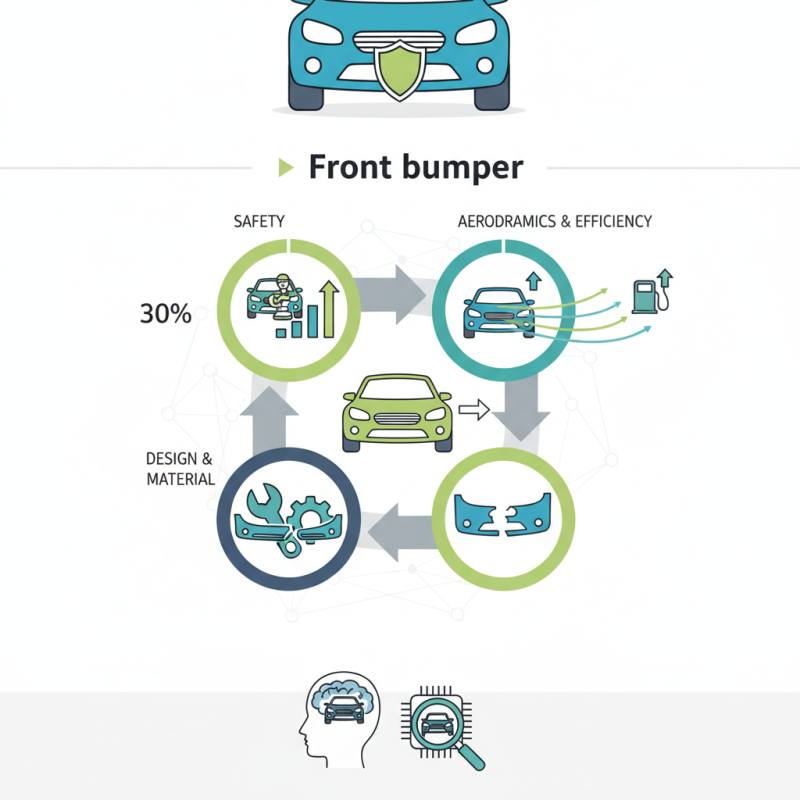
The front bumper is a critical component of a vehicle, serving both safety and aesthetic functions. It absorbs impact during collisions, reducing damage to the vehicle and protecting occupants. According to the National Highway Traffic Safety Administration, well-designed bumpers can decrease injury risk by up to 30%. This statistic highlights the importance of the front bumper in modern automotive design.
In addition to safety, front bumpers play a role in aerodynamics and fuel efficiency. A seamless bumper design can enhance airflow, ultimately improving gas mileage. However, not all bumpers are created equal. Many aftermarket options may compromise safety features. A poorly designed front bumper could negate the vehicle’s safety advantages. Thus, choosing the right front bumper is not just about looks—it's vital for overall performance and safety.
Understanding the multifaceted role of the front bumper is crucial for vehicle owners. It is a point of reflection for drivers on how choices impact their safety. With advancements in technology, staying informed about front bumper design and materials is essential for making wise purchases and ensuring optimal protection.
Definition of a Front Bumper and Its Components
The front bumper is a vital component of a vehicle. It is typically made from materials like plastic, steel, or aluminum. Its main purpose is to absorb impact during low-speed collisions, protecting crucial parts of the car and enhancing passenger safety. A report from the Insurance Institute for Highway Safety (IIHS) indicates that effective bumper design can reduce repair costs significantly in minor accidents.
Components of a front bumper include the bumper cover, reinforcement bar, and energy absorbers. The bumper cover is the outer shell, providing aesthetics and protecting underlying parts. The reinforcement bar adds structural integrity, while energy absorbers minimize the energy transfer during impacts.
According to a study by the National Highway Traffic Safety Administration (NHTSA), a well-designed front bumper can lower the likelihood of injuries in pedestrian accidents. However, despite advancements, discrepancies in bumper design standards among manufacturers create inconsistencies in safety performance. This highlights the need for continued innovation in this critical automotive component.
Functions of a Front Bumper in Vehicle Safety
The front bumper plays a crucial role in vehicle safety. It serves as the first line of defense in a collision. Studies indicate that a well-designed front bumper can reduce pedestrian injuries by up to 40%. This statistic highlights its importance not just for vehicle integrity, but also for protecting vulnerable road users.
In a crash, the front bumper absorbs impact energy. This helps to prevent damage to the car's internal components. According to a report from the IIHS, vehicles equipped with advanced bumper systems experience 30% fewer repair costs after low-speed collisions. Furthermore, modern bumpers are designed with materials that enhance energy absorption, such as thermoplastics and composites. However, as technology progresses, there remains a gap in consumer awareness regarding the effectiveness of these safety features.
Despite these advancements, the effectiveness of front bumpers varies widely between vehicle models. Some designs prioritize aesthetics over functionality, compromising safety measures. Additionally, the absence of standardized testing can lead to discrepancies in real-world performance. Consumers must remain informed and consider safety ratings over mere appearance when selecting vehicles.
Impact of Front Bumper Design on Collision Performance
The design of a front bumper plays a critical role in vehicle safety during collisions. It acts as the first line of defense, absorbing and dissipating impact energy. According to the National Highway Traffic Safety Administration (NHTSA), a well-designed front bumper can reduce the risk of serious injury by up to 30% in low-speed crashes. This underscores its importance in protecting both occupants and pedestrians.
Furthermore, advancements in materials and designs have enhanced bumper performance. Recent studies indicate that modern bumpers utilize composite materials that effectively absorb shock. These innovations improve energy distribution during collisions, resulting in better outcome scenarios. However, not all designs equally prioritize pedestrian safety. In some cases, functionality may overshadow safety features. This raises questions about the balance between aesthetics and protection.
Moreover, regulatory standards for front bumpers continue to evolve. The Insurance Institute for Highway Safety (IIHS) highlights the need for consistent testing. Some vehicles may not meet the latest safety benchmarks. As technology progresses, the potential for improving collision performance grows. Yet, manufacturers face ongoing challenges in integrating these advancements into practical designs.
Materials Used in Front Bumper Construction and Their Benefits
The front bumper of a vehicle is more than just a decorative feature. It plays a crucial role in protecting the car and its occupants during impacts. Various materials are used in bumper construction, each with unique benefits.
Plastics, such as polypropylene, are commonly used for their lightweight and flexible nature. They can absorb impacts effectively, reducing damage to the vehicle frame. Additionally, certain plastics are easy to mold into complex shapes, allowing for innovative designs. However, they might not provide the same level of protection as harder materials in extreme collision scenarios.
Metal bumpers, often made of aluminum or steel, offer enhanced durability and strength. These materials withstand impact force better than plastics. Yet, they add significant weight to the vehicle, which can affect fuel efficiency. Composite materials have gained popularity as a middle ground, combining the strengths of both metals and plastics. Despite their advantages, the high cost of composites can be a barrier for some manufacturers. Analyzing the pros and cons of each material can lead to better design decisions in automotive safety.
Materials Used in Front Bumper Construction and Their Benefits