How to Choose the Right Car Front Bumper?

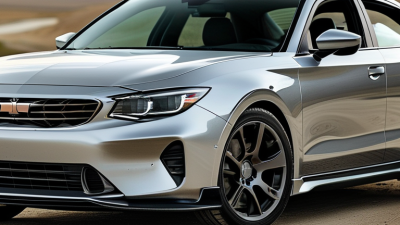
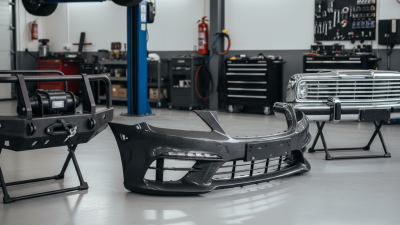
Choosing the right Car Front Bumper is more than comparing shapes, colors, or online prices. It affects protection, vehicle fit, repair costs, and everyday driving confidence. A suitable bumper should match your vehicle’s exact year, make, model, and trim. Even small differences around parking sensors, fog lights, grilles, and camera mounts can create installation problems.

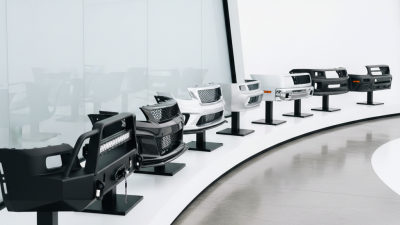
In practical repair work, fitment is often the deciding factor. A bumper may look perfect in a product photo but sit unevenly beside the headlights. Check the mounting points, material, finish, sensor openings, and included hardware carefully. Original equipment parts usually provide predictable alignment, while reputable aftermarket options can offer good value when their specifications are clear. Look for traceable manufacturers, detailed installation instructions, warranty coverage, and verified customer feedback. Professional body technicians can also confirm whether painting, calibration, or additional brackets are needed.

Safety deserves careful attention. The bumper should support the vehicle’s designed impact-management system, not simply improve its appearance. Avoid products with vague descriptions or unexplained modifications. Measure twice. A rushed purchase can leave visible gaps, warning lights, or expensive rework. Still, no guide can replace a hands-on inspection; vehicle history and previous repairs may change the decision. Consider driving conditions too. City parking may demand durable plastic and sensor compatibility, while frequent highway travel makes secure mounting especially important. The “best” choice is not always the cheapest or most aggressive-looking option. It is the one that fits correctly, performs reliably, and can be supported by qualified installation.

How to Choose the Right Car Front Bumper?

Define Bumper Types by Crash Role, Weight, and FMVSS 581 Requirements

How to Choose the Right Car Front Bumper?

Define Bumper Types by Crash Role, Weight, and FMVSS 581 Requirements

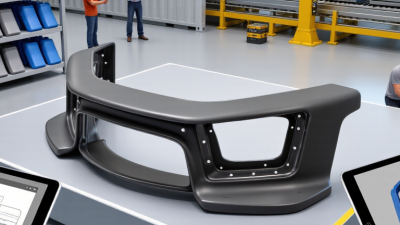
A front bumper should be selected by its job, not appearance. A cover mainly manages airflow and styling. The reinforcement beam, energy absorber, mounts, and crash boxes manage low-speed impact loads. For covered passenger vehicles, NHTSA’s FMVSS No. 581 limits damage in specified barrier and pendulum tests. These include 2.5-mph frontal impacts and 1.5-mph corner impacts under 49 CFR Part 581. That is a compliance floor, not a promise of protection in every crash. A bumper designed for parking impacts cannot replace the vehicle’s front crash structure. This distinction is often missed.

Weight also changes the engineering decision. The U.S. Department of Energy’s Vehicle Technologies Office reports that a 10% vehicle mass reduction can improve fuel economy by roughly 6–8%, depending on conditions. A lighter aluminum or composite beam may reduce mass. However, poor geometry can weaken mounting performance. Steel may offer stiffness and repair familiarity, yet extra mass is not automatically safer. It is a trade-off. Check beam section, absorber density, fastener locations, sensor clearance, and corrosion protection. Compare the part with the vehicle’s original FMVSS certification configuration. Aftermarket fitment data can be incomplete. That deserves skepticism. Choose measured crash-role requirements, verified material specifications, and documented test evidence—not a dramatic weight claim or glossy surface.

Match Material Choices to Energy Absorption: Steel, Aluminum, and Plastics

How to Choose the Right Car Front Bumper?

Match Material Choices to Energy Absorption: Steel, Aluminum, and Plastics

Choosing a front bumper starts with energy management, not appearance. The reinforcement beam must control impact forces and protect key mounting areas. Steel offers high strength and predictable deformation under heavy impacts. It also adds weight. A rigid steel beam can transfer more force into the vehicle structure if poorly designed. Strong is not always safer.

Aluminum reduces front-end weight and can absorb energy through controlled crushing. Its deformation often becomes permanent after a serious impact. Repairs may require specialized equipment, and contact with other metals can create corrosion problems. During an inspection, check the beam, brackets, and crush zones together. The material label alone is not enough.

Plastic bumper covers usually manage appearance and low-speed contact rather than major crash energy. Behind them, foam or molded plastic absorbers can compress and spread smaller impacts. Plastics stay light and resist surface corrosion, but cold temperatures may make some parts less flexible. Fit matters too. A loose cover can shift during impact. I would not choose a bumper by weight alone; real performance depends on thickness, shape, mounting points, and verified crash testing. Some choices look excellent on paper, yet disappoint during installation.

Thermoplastics generally provide the highest energy absorption per kilogram, making them suitable for lightweight bumper energy absorbers. Aluminum offers a balance between low weight and structural strength, while steel provides high stiffness and durability but adds considerably more mass. Values shown are representative engineering ranges for automotive crash-absorption components; actual performance depends on geometry, thickness, temperature, and material grade.

Check Sensor Compatibility for ADAS Systems Using IIHS Repairability Data

How to Choose the Right Car Front Bumper?

When choosing a front bumper, confirm sensor compatibility before comparing price or appearance. IIHS bumper-test data uses four low-speed impacts at 6 mph. These tests record damage patterns and repair costs. That evidence helps identify covers that protect structural parts during minor crashes. However, it does not prove compatibility with advanced driver-assistance systems.

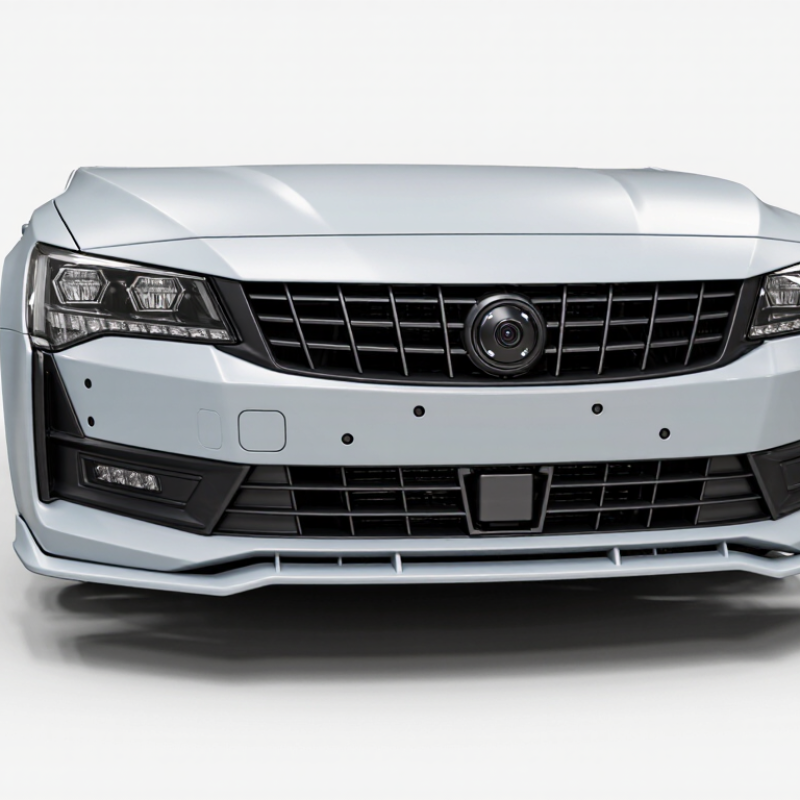
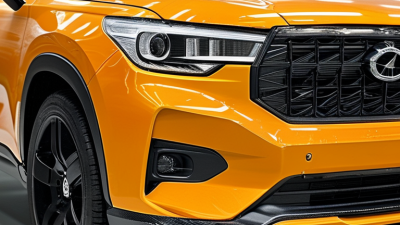
Check whether the bumper supports radar modules, parking sensors, cameras, and their approved mounting points. Ask for the vehicle’s repair procedure and calibration requirements. Look for correct sensor openings, brackets, clips, and material thickness. A small bracket change can alter radar angles. Sensor alignment matters. IIHS reported in a 2019 real-world study that front crash prevention reduced rear-end crashes by about 50%. That performance depends on accurate installation and calibration.

I once treated a visually identical bumper as interchangeable. That shortcut was wrong. After installation, the warning system required calibration, adding time and cost. Use IIHS repairability results alongside technical service information and a qualified inspection. During fitting, check panel gaps, sensor clearance, and wiring protection. A bumper may fit perfectly yet interfere with detection zones. Keep invoices, calibration records, and test results with the vehicle history. This documentation supports safer repairs and more reliable future inspections.

How to Choose the Right Car Front Bumper? - Check Sensor Compatibility for ADAS Systems Using IIHS Repairability Data

Inspection Dimension Relevant Vehicle Configuration Typical Sensor or Component Front-Bumper Compatibility Requirement Repairability Information to Verify Recommended Purchase Decision
Adaptive cruise control Vehicles equipped with forward collision warning or automatic emergency braking Forward millimeter-wave radar, commonly mounted behind the grille or bumper area The bumper cover must provide the correct radar clearance, mounting position, surface thickness, and approved material in front of the radar. Check whether a low-speed front impact can require radar replacement, bracket replacement, aiming, or electronic calibration. Use only a bumper configuration listed for the same vehicle year, body style, trim, and sensor package.
Parking assistance Vehicles with front parking assistance or low-speed obstacle detection Ultrasonic parking sensors installed in circular openings across the bumper cover Sensor holes must match the original number, diameter, spacing, orientation, and mounting retainers. Compare the number of damaged or replaced parking sensors, sensor brackets, wiring retainers, and bumper labor operations. Select a pre-drilled bumper with correctly positioned sensor mounts rather than modifying a blank cover.
Front-view camera system Vehicles using a grille-mounted camera for forward visibility, traffic-sign recognition, or camera-based emergency braking Forward-facing camera located in the grille, emblem area, windshield, or upper front structure The bumper or grille must not obstruct the camera field of view and must retain the correct camera bezel and mounting geometry. Verify whether bumper removal or grille replacement requires camera target alignment or dynamic calibration. Avoid covers with decorative bars, mesh, badges, or inserts that alter the camera’s viewing area.
Blind-spot and cross-traffic support Vehicles with rear cross-traffic warning or blind-spot monitoring Usually rear-corner radar sensors; front-bumper compatibility is relevant when the replacement package includes shared wiring or sensor modules. Confirm that the replacement bumper package does not remove, pinch, or reroute the vehicle wiring harness connected to the ADAS network. Review the repair record for harness damage, connector replacement, diagnostic scans, and post-repair system checks. Choose a bumper with the correct harness guides, clips, absorbers, and connector access points.
Pedestrian protection Vehicles designed with pedestrian-impact energy management Bumper cover, energy absorber, reinforcement beam, crash brackets, and impact sensors The cover must be compatible with the original absorber, reinforcement, impact sensors, and pedestrian-protection structure. Use IIHS repairability information to compare structural part replacement, hidden damage inspection, labor time, and calibration requirements after a front impact. Do not use a bumper solely because its exterior shape matches; verify all underlying safety components.
Bumper material and finish Painted, textured, molded, or multi-piece front bumper assemblies Thermoplastic bumper cover with sensor bezels, grilles, trim, and lower air openings Material, curvature, thickness, paint layers, and surface treatments must not interfere with radar or ultrasonic sensor performance. Check repair procedures for paint thickness limits, sensor masking, replacement versus repair, and required diagnostic testing. Prefer a cover that follows the vehicle’s approved sensor and paint specifications.
Low-speed crash repair exposure Front-end impacts at parking-lot or urban speeds Bumper cover, absorber, reinforcement, grille, radar bracket, parking sensors, and wiring The selected bumper should allow proper access to serviceable parts without forcing unnecessary replacement of undamaged components. Compare IIHS repairability data for damaged parts, replacement operations, labor complexity, calibration needs, and hidden damage risk. Favor a design with replaceable sensor brackets and accessible fasteners when all safety requirements remain satisfied.
Model-year and trim matching Different production years, body styles, equipment levels, and regional specifications Bumper shell, grille, radar mount, sensor bezel, harness, and air-deflector components Part dimensions and sensor provisions must match the exact vehicle configuration, not only the general vehicle name. Use vehicle-specific IIHS repairability records and confirm whether the tested configuration has the same ADAS equipment. Reject any listing that does not identify model year, body style, trim, sensor package, and installation hardware.
Post-installation validation Any vehicle with forward radar, camera-based ADAS, parking sensors, or impact detection ADAS control module, sensor mounts, wiring, diagnostic system, and calibration targets The bumper must be installed without changing sensor angle, height, alignment, or distance from the road surface. Confirm that the repair estimate includes diagnostic scanning, fault-code clearing, aiming, calibration, and a functional road test when required. Do not treat visual fit as proof of compatibility; require documented ADAS validation after installation.

Data-use note: IIHS repairability information is vehicle- and configuration-specific. Before selecting a front bumper, compare the same model year, body style, trim level, sensor package, damage scenario, parts replaced, labor operations, and calibration requirements.

Compare Fit, Ground Clearance, and Airflow Against OEM Specifications

How to Choose the Right Car Front Bumper?

A suitable front bumper should match the vehicle’s original dimensions, mounting points, and safety clearances. Measure the factory bumper before comparing replacement parts. Check bolt-hole spacing, grille openings, sensor positions, and wheel-arch alignment. A difference of only a few millimeters can create uneven gaps or unwanted vibration. Use the OEM specifications as your reference, not only product photographs. Photos can hide poor fit.

Ground clearance deserves careful attention. Measure from the lowest bumper edge to the road on level ground. Compare that number with the factory measurement, especially if the vehicle already has a low suspension setup. A deeper bumper may improve appearance but scrape on ramps, speed humps, or rough entrances. I once focused too much on styling and overlooked a small lower lip. It looked excellent, but daily driving became irritating. That mistake still influences my fitting checks.

Airflow is equally important. Keep the original intake paths, radiator openings, and brake-cooling channels unobstructed. A bumper with smaller openings can raise temperatures during slow traffic or heavy loads. Use a simple airflow comparison: photograph both openings, measure their approximate area, and inspect internal blocking. Additional vents are not automatically better. They can increase turbulence or admit road debris. After installation, check panel stability, temperature behavior, and clearance during full steering movement. Recheck the fasteners after several drives. Small adjustments often reveal what measurements missed.

Validate Protection Through Euro NCAP and NHTSA Crash-Test Ratings

How to Choose the Right Car Front Bumper?

A front bumper should do more than match your vehicle’s shape. It must support crash energy management, pedestrian protection, and sensor alignment. Euro NCAP and NHTSA ratings provide valuable evidence, but they rate complete vehicles, not individual replacement bumpers. Check the exact vehicle year, body style, and safety equipment tested.

Look beyond the headline score. Read the detailed crash-test results, especially frontal-impact performance, lower-leg protection, and restraint-system behavior. A bumper that looks stronger may not improve safety. Poorly designed reinforcement can change how impact energy travels through the structure. It may also interfere with parking sensors, cameras, radar, or pedestrian-protection systems.

Fitment matters greatly. Confirm mounting points, material quality, weight, and compatibility with airbags and sensors. Ask whether the part follows the original crash-management design.

Certification documents and installation records add confidence. Still, paperwork is not proof of real-world performance.

Inspect the bumper after installation, and have sensor calibration completed by a qualified technician.

A common mistake is treating a five-star rating as a bumper guarantee. It is not.

Test conditions also cannot represent every collision, weather condition, or repair history. I once thought thicker material meant better protection; that assumption was too simple.

The right choice combines tested vehicle performance, accurate fit, verified materials, and professional installation. Your bumper should look correct. More importantly, it should behave predictably when protection matters.