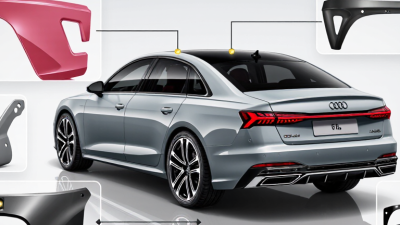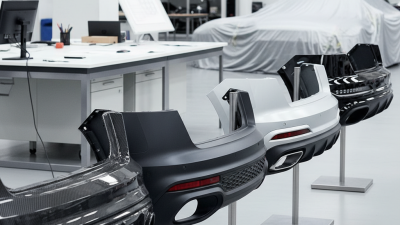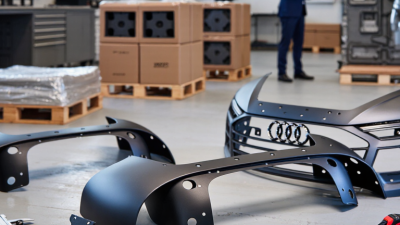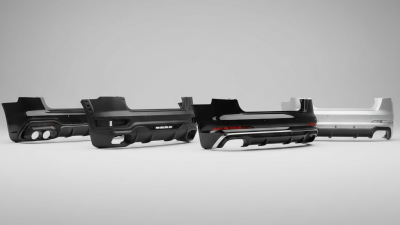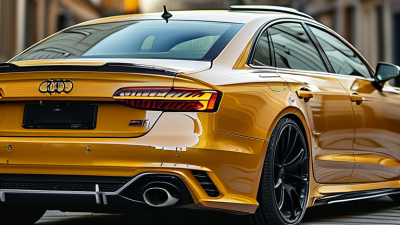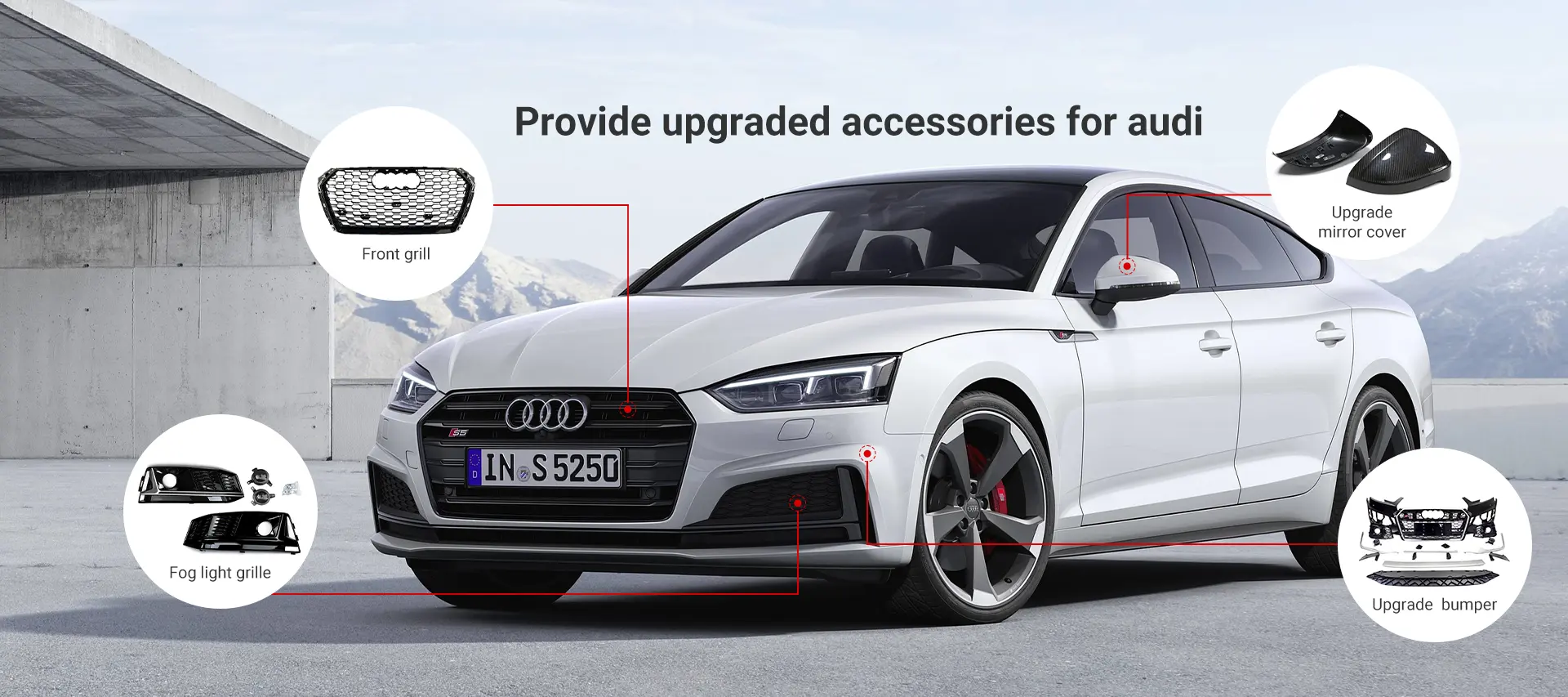
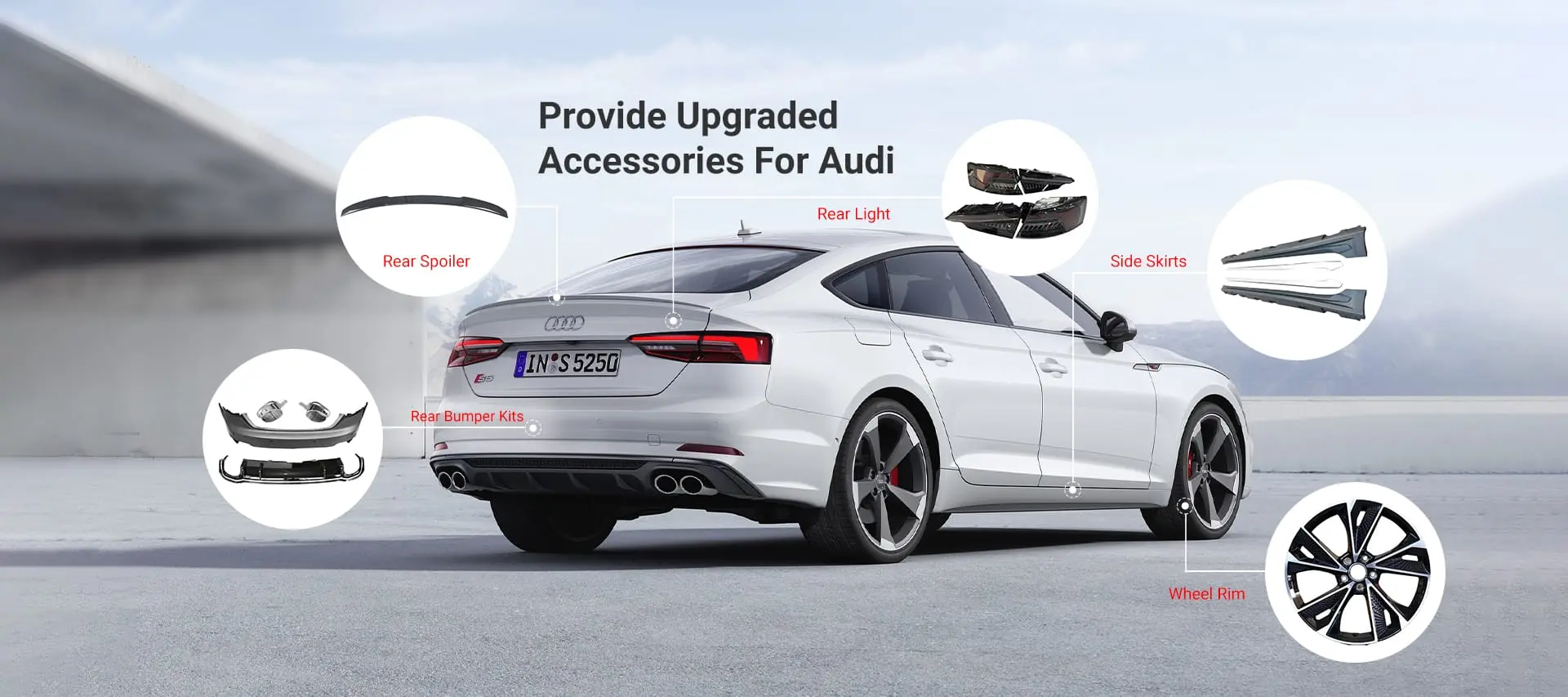
China has become a significant manufacturing base for Audi Rear Bumper components, serving repair networks, distributors, and vehicle customization markets worldwide. This guide introduces ten Chinese suppliers with experience in injection molding, composite materials, painting, and export packaging. Their products may include rear bumper covers, reinforcement-compatible shells, diffuser sections, parking-sensor openings, and mounting brackets.
Automotive quality specialist Dr. Martin Koçak observes, “A bumper is successful only when appearance, fit, and impact performance work together.” This practical view matters. A glossy surface alone proves very little. Buyers should examine mold accuracy, material grade, sensor-hole positioning, edge alignment, and resistance to temperature changes. Small gaps around the trunk can reveal larger production problems.
The selected companies are considered through visible manufacturing capability, product range, quality procedures, export experience, and customer feedback. However, supplier rankings are never permanent. Some factories publish limited technical information, while others rely heavily on distributor descriptions. That creates uncertainty. A careful buyer should request inspection records, sample parts, packaging photographs, and written compatibility details before placing a large order.
This overview also recognizes an uncomfortable point: lower pricing does not always mean lower quality, but it can signal thinner materials, weaker clips, or inconsistent paint preparation. Audi Rear Bumper sourcing requires patience. Part numbers, model years, parking sensors, exhaust layouts, and regional specifications must match precisely. The following supplier profiles offer a practical starting point, not an automatic purchasing decision.
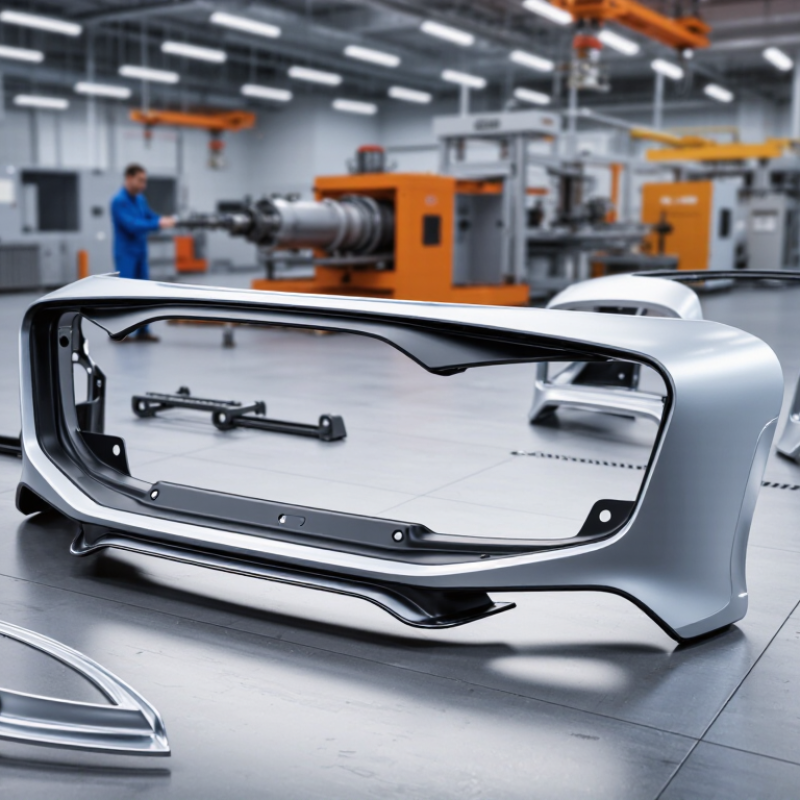
A rear bumper is an energy-management structure, not merely a painted shell. It combines an outer cover, absorber, reinforcement beam, mounting brackets, and sensor supports. Its main role is reducing damage during low-speed rear impacts. It also helps protect lights, tailgate structures, and nearby occupants. Not a magic shield.
The National Highway Traffic Safety Administration reported that rear-end crashes represented about 27.8% of police-reported crashes in its 2020 Traffic Safety Facts data. Federal Motor Vehicle Safety Standard 581 also uses 2.5-mph front and rear barrier tests, plus 1.5-mph corner tests. These figures explain why suppliers must control impact absorption, alignment, and mounting strength. A bumper that passes visual inspection may still contain hidden deformation.
Reliable suppliers use dimensional scanning, material verification, and controlled impact testing. They should check absorber density, beam thickness, fastener fit, and parking-sensor clearance. Industry repair guidance from I-CAR stresses that concealed damage can affect sensor calibration and structural performance. That risk is easy to underestimate. A poorly aligned cover may disturb radar or ultrasonic sensing, even when the vehicle looks normal. Suppliers should provide batch records, test evidence, and traceable quality checks. Yet appearance still receives too much attention. Engineers and buyers should question whether a lower price reflects efficient manufacturing or reduced protection.
Evaluating Chinese rear bumper suppliers requires more than comparing listed prices. Check material grade, mold accuracy, mounting points, surface finish, and packaging strength. Request dated factory photos and a sample made from the same production mold. Do not accept a sample from a different workshop. That small detail can distort quality judgments.
A reliable supplier should explain inspection steps, warranty limits, lead times, and replacement procedures. Ask for test records covering impact resistance, paint adhesion, and temperature changes. Confirm whether sensors, brackets, grilles, and fasteners are included. Fit the sample on the exact vehicle generation before approving bulk production. Small gaps near the wheel arch often reveal mold or trimming problems. Price remains important, but the cheapest quote may create costly rework. That conclusion needs humility; one failed sample does not define every supplier.
Tips: Compare at least three factories using identical specifications. Check response speed and technical clarity. Ask for production videos, carton dimensions, and loading photos. Keep written records of every requirement. A polished catalog proves little without consistent samples. Recheck measurements yourself, because supplier drawings can contain small errors. Depth, hole spacing, and paint shade deserve special attention.
| Rank | Supplier Code | Primary Production Region | Product Scope | Main Bumper Materials | Manufacturing Capability | Typical MOQ | Sample Lead Time | Bulk Lead Time | Quality Certification | OEM Fitment Evidence | Export Experience | Evaluation Score |
|---|---|---|---|---|---|---|---|---|---|---|---|---|
| 1 | Supplier 01 | East China | Replacement & private label | PP, PP/EPDM, ABS trim | Injection molding, painting, ultrasonic welding | 100 pieces | 7–10 working days | 25–35 working days | ISO 9001 | 3D scanning and fixture validation | Europe, North America, Middle East | 92/100 |
| 2 | Supplier 02 | South China | Aftermarket and collision repair | PP, TPO, ABS accessories | Tooling development, injection molding, coating | 150 pieces | 10–14 working days | 30–40 working days | ISO 9001 | CAD comparison and vehicle trial fit | Europe, Southeast Asia, South America | 90/100 |
| 3 | Supplier 03 | Central China | High-volume replacement parts | PP, PP/EPDM, reinforced plastic | Large-tonnage molding, automated trimming | 200 pieces | 12–15 working days | 30–45 working days | ISO 9001 | Dimensional inspection report available | Europe, Africa, Latin America | 88/100 |
| 4 | Supplier 04 | East China | Custom projects and small batches | PP, ABS, PC/ABS components | Rapid tooling, CNC finishing, injection molding | 50 pieces | 8–12 working days | 25–40 working days | ISO 9001; supplier audit available | Reverse engineering and prototype fitting | North America, Europe, Australia | 87/100 |
| 5 | Supplier 05 | South China | Painted and unpainted bumpers | PP, TPO, primer-coated PP | Injection molding, primer application, color matching | 100 pieces | 10–15 working days | 35–45 working days | ISO 9001 | Color, gap, flushness and attachment checks | Europe, Middle East, Southeast Asia | 85/100 |
| 6 | Supplier 06 | North China | Commercial replacement parts | PP, EPDM-modified PP, ABS | Injection molding, drilling, manual assembly | 200 pieces | 12–18 working days | 35–50 working days | ISO 9001 in progress | Basic dimensional and mounting-point inspection | Central Asia, Eastern Europe, Africa | 82/100 |
| 7 | Supplier 07 | East China | Premium finish and export packaging | PP, TPO, ABS trim parts | Injection molding, surface finishing, packaging engineering | 100 pieces | 10–14 working days | 30–42 working days | ISO 9001 | Inspection photographs and fitment records | Europe, North America, Japan | 81/100 |
| 8 | Supplier 08 | Southwest China | Cost-focused replacement parts | PP and standard ABS | Injection molding, trimming, basic assembly | 300 pieces | 15–20 working days | 40–55 working days | Quality system documentation available | Sample-based mounting verification | South America, Africa, Southeast Asia | 79/100 |
| 9 | Supplier 09 | Central China | Flexible private-label production | PP, PP/EPDM, textured plastic | Tool modification, injection molding, labeling | 100 pieces | 12–16 working days | 35–45 working days | ISO 9001 | Part-number cross-reference and fitment checklist | Europe, Middle East, Latin America | 77/100 |
| 10 | Supplier 10 | North China | Small-batch and prototype support | PP, ABS, fiberglass-reinforced plastic | Low-volume molding, 3D scanning, manual finishing | 30 pieces | 7–14 working days | 30–50 working days | Internal quality management system | Prototype measurement and installation testing | North America, Europe, Australia | 75/100 |
China-based Audi rear bumper suppliers serve buyers across repair, distribution, and vehicle customization markets. Their main strengths include competitive tooling costs, flexible production volumes, and access to mature plastics manufacturing networks. Many suppliers produce rear bumpers from PP or ABS materials, using injection molding, trimming, drilling, and surface finishing processes.
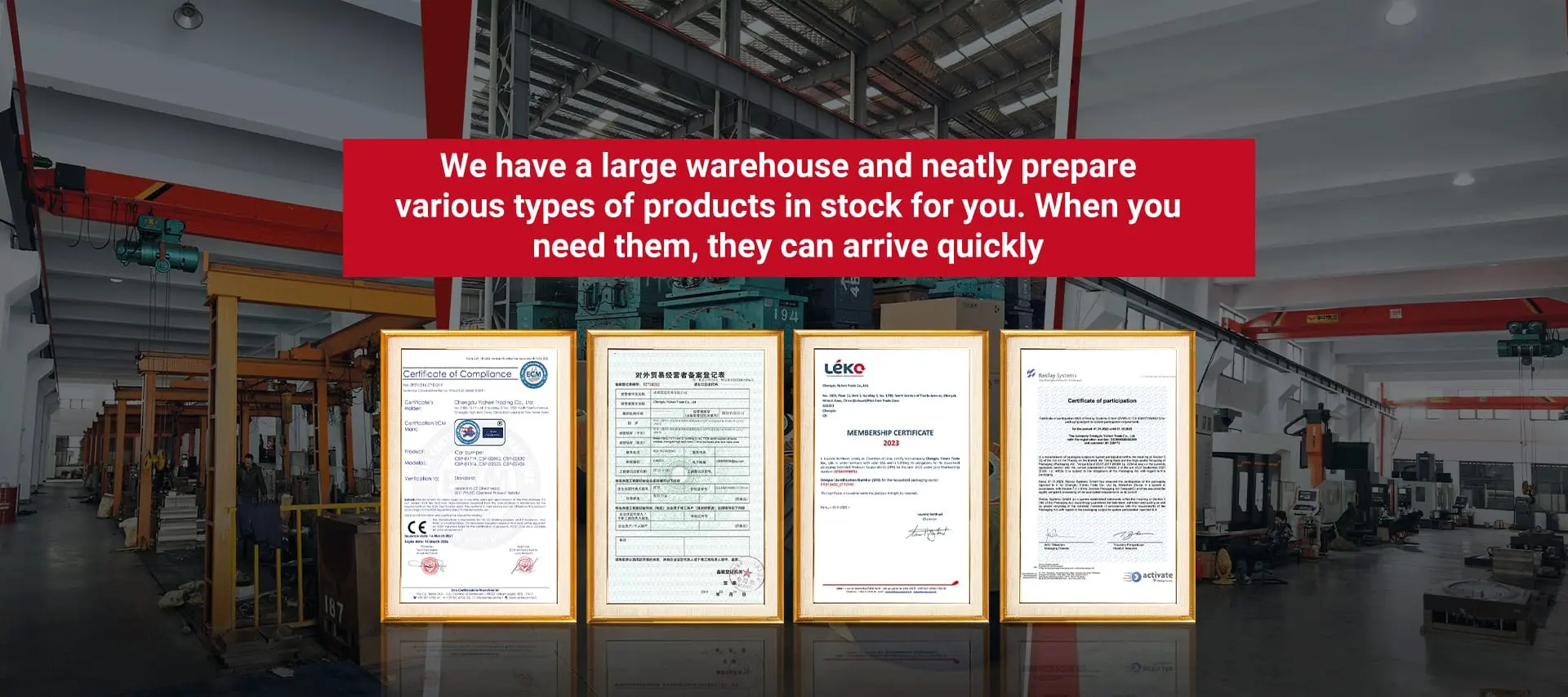
Supplier evaluation should begin with fitment evidence, not attractive catalog photos. Request drawings, mounting-point measurements, material specifications, and sample inspection reports. A reliable factory should explain its molding tolerance, paint process, packaging method, and warranty handling. ISO 9001 certification can support confidence, but it does not replace physical testing. Check the bumper against an original vehicle panel, especially around the wheel arch, trunk edge, parking sensor holes, and exhaust openings.
Factory visits or live video audits can reveal useful details. Look for organized tooling areas, labeled resin storage, calibrated measuring tools, and controlled packing stations. Ask how the supplier handles mold wear and revision changes. Small mistakes can become expensive. Color matching may vary between batches, and long-distance shipping can create scratches or deformation. No supplier is perfect. A careful buyer should record defects, review corrective actions, and approve a pre-shipment sample before larger orders. Clear communication matters as much as price, particularly when supplying multiple vehicle years or regional configurations.
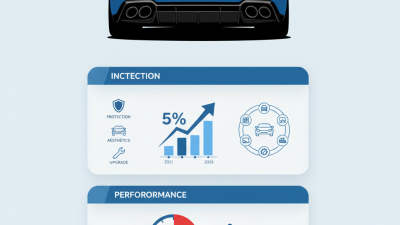
This chart presents a neutral 100-point procurement framework for comparing China-based rear bumper suppliers. The reference weighting emphasizes product quality, vehicle compatibility, production capability, delivery reliability, and commercial value without displaying individual company or brand data.
When evaluating China’s top ten rear bumper suppliers, product quality should lead every decision. A dependable supplier uses consistent polymer materials and controlled molding temperatures. Inspectors should check surface smoothness, mounting holes, clips, and sensor openings. Color matching also matters, especially under daylight and workshop lighting. Small flaws become obvious after installation.
Compatibility requires more than a product photograph. Engineers should compare original measurements, bumper curvature, bracket positions, and parking sensor locations. Fit tests on actual vehicle samples can reveal gaps near the wheel arch or trunk edge. Suppliers with three-dimensional scanning equipment usually provide better dimensional control. Still, no factory achieves perfect results every time. Buyers should request inspection records and sample approval before placing large orders.
Manufacturing standards show how seriously a supplier manages production. Strong factories maintain documented procedures, trained technicians, and batch traceability. Quality systems such as ISO 9001 or IATF 16949 can support reliable process control. Packaging deserves attention too. Reinforced corners and molded protection reduce damage during long-distance transport. Drop tests are useful, but real shipping conditions can be harsher. Some suppliers focus heavily on certification while overlooking practical fit. That is a weakness worth discussing openly. Buyers should review defect rates, corrective actions, material data, and warranty handling. Real expertise appears in details, not promises.
China’s top ten rear bumper suppliers serve distributors, repair networks, and online retailers worldwide. Experienced buyers should compare material, mold accuracy, surface finish, and packaging before comparing prices. Most reliable factories provide ABS or polypropylene options, test-fit samples, and production photos. Ask for a sample first. It may reveal poor sensor openings, uneven edges, or weak mounting points.
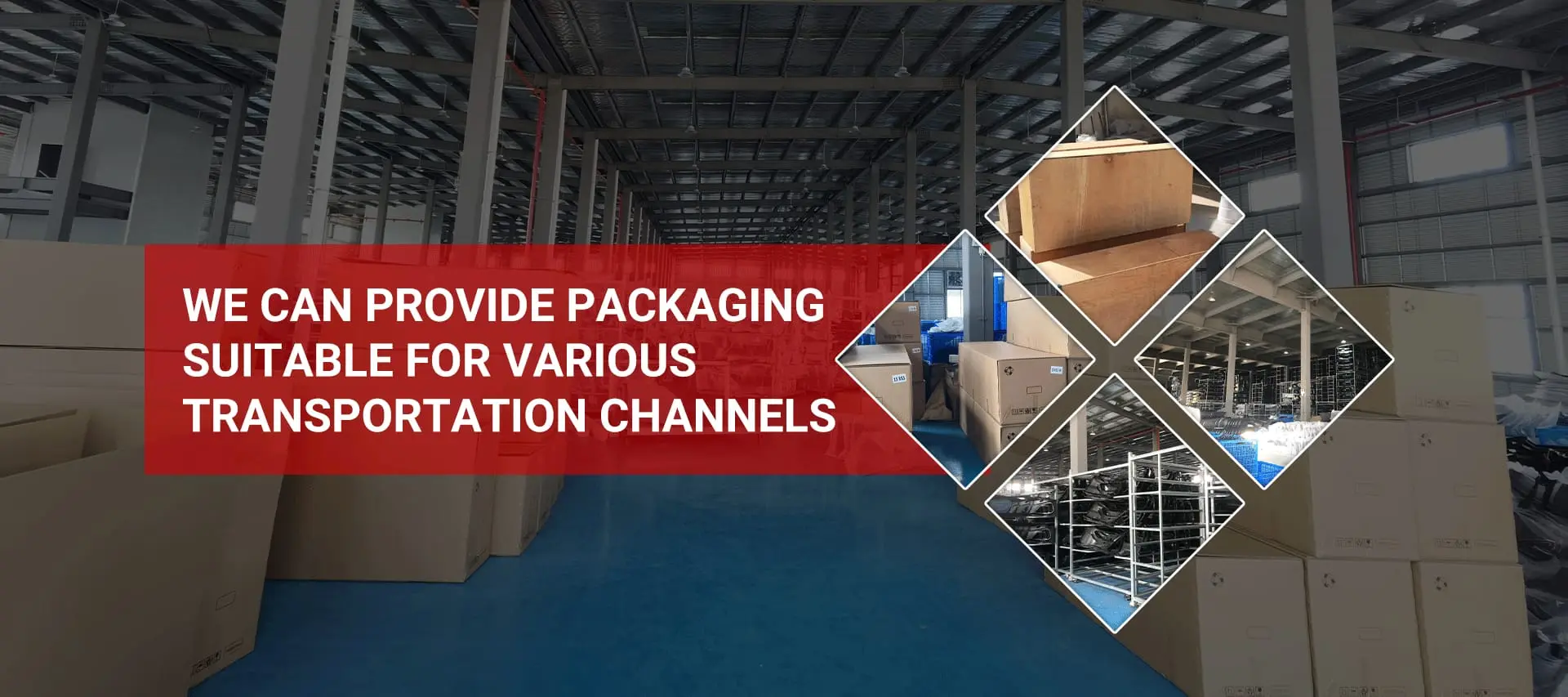
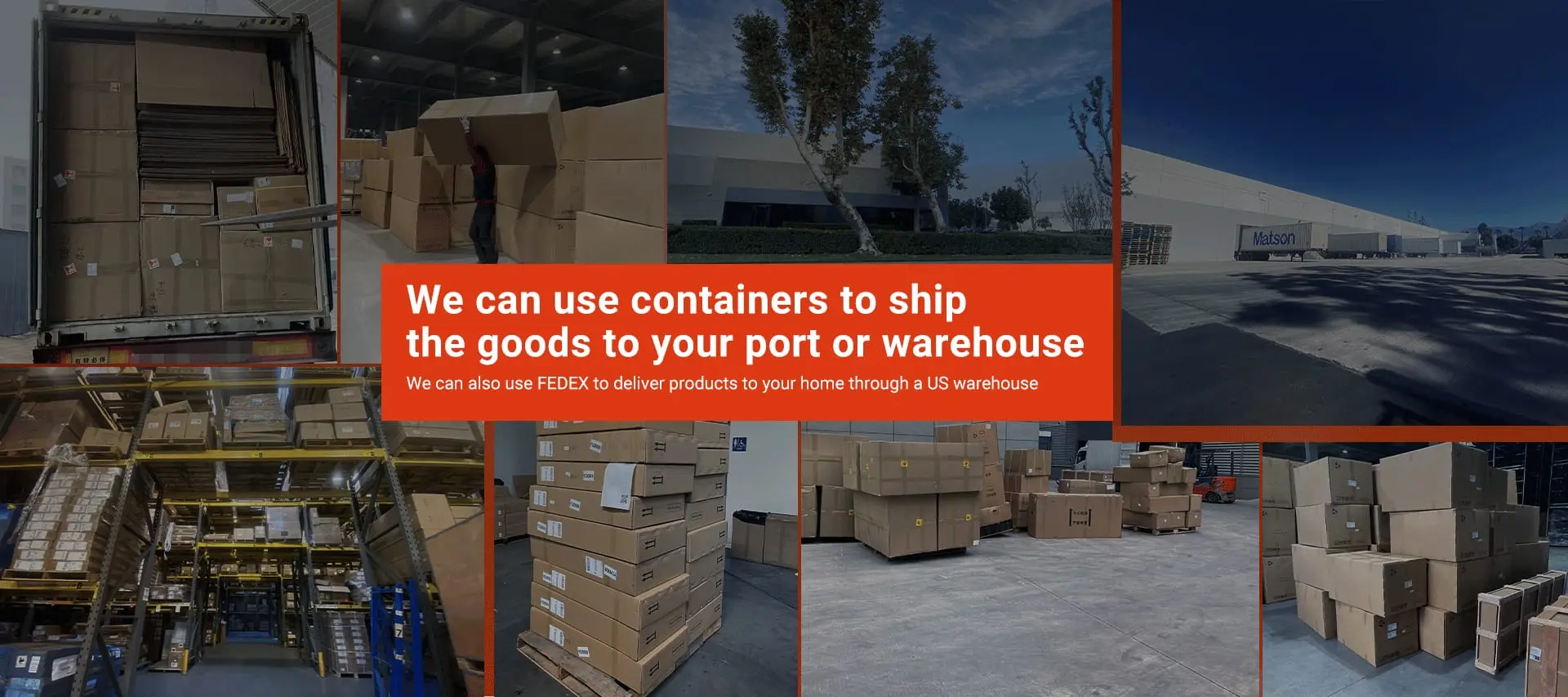
Global shipping depends on carton size, order volume, and destination. A reinforced carton with foam corners can prevent scratches during ocean transport. Sea freight usually suits pallet orders, while air shipping helps urgent replacements. Request a written quotation using clear trade terms, freight costs, export documents, and estimated delivery dates. Delays still happen. Port congestion and customs inspections are difficult to predict.
Prices often range from 45 to 120 US dollars for an unpainted bumper, excluding freight. Painted or sensor-ready versions may cost more. Prices are not fixed. Confirm tooling fees, minimum order quantities, replacement-part costs, and payment stages. A practical warranty often covers manufacturing defects for 12 to 24 months, but excludes installation damage and incorrect storage. Reliable suppliers explain claim procedures, response times, and evidence requirements. Video inspection helps. Pre-shipment checks should verify dimensions, clips, color consistency, and label accuracy. Supplier selection should balance price, production capacity, communication quality, warranty support, and documented export experience. A cheap offer may become expensive after rework.