Top Quality Car Bumpers for Global Buyers What to Look For?
When looking for top quality car bumpers, buyers must navigate a complex market. Car bumpers are crucial for vehicle protection and aesthetics. They absorb impact and enhance safety. A reliable bumper can prevent severe damage during minor accidents.
It's essential to consider materials and design. Many bumpers are made from plastics or composites, which provide a balance between weight and strength. Buyers should prioritize durability and fit over flashy designs. Quality bumps can last years with proper care.
As demands increase globally, it’s vital to reflect on purchasing decisions. Cheaper options may lure you in, but they may not meet safety standards. Investing in a reputable supplier not only ensures quality but also offers peace of mind. Opt for products that come with warranties and reviews to back their claims. Your choice in car bumpers matters significantly—don’t overlook it.
Understanding the Role of Car Bumpers in Vehicle Safety and Aesthetics
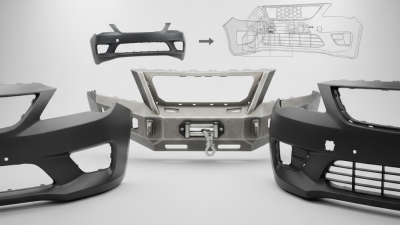
Car bumpers play a crucial role in vehicle safety and aesthetics. They are designed to absorb impact during collisions, protecting both passengers and the vehicle. A well-constructed bumper can significantly reduce repair costs and improve safety ratings. Additionally, bumpers contribute to the overall look of a vehicle, enhancing its style. Therefore, selecting high-quality bumpers is essential for any buyer.
Tips for choosing the right bumper include evaluating materials. Look for bumpers made from durable materials like reinforced plastics or metals. These options can withstand more impact and provide better protection. Inspect the design closely. A good bumper should seamlessly integrate with your vehicle's look while still standing out in a good way.
Beyond aesthetics and impact resistance, consider the installation process. Some bumpers require specialized equipment or tools that may complicate installation. Ensure you have the necessary resources to avoid complications. Investing in quality bumpers pays off in the long run. So, research options that meet safety standards and offer warranties. The right bumper can enhance safety and the driving experience.
Key Materials Used in High-Quality Car Bumpers: A Comprehensive Overview
When choosing a high-quality car bumper, understanding the key materials is essential. Car bumpers are often made from plastic, metal, or a blend of both. Each material comes with its unique properties. For instance, plastic bumpers are lightweight and resistant to corrosion. However, they may not provide the same level of impact resistance as metal.
Metal bumpers, on the other hand, offer superior strength and durability. They can withstand harsh conditions better than their plastic counterparts. Yet, metal bumpers can add significant weight to the vehicle, potentially affecting fuel efficiency. Buyers should carefully weigh these characteristics against their specific needs.
**Tips:** Always check the impact ratings of the bumper. Look for certifications or test results to ensure safety performance. Consider the environment in which you drive. A bumper that performs well in urban settings might not be suitable for off-road conditions. Reflect on whether your car's style matches the bumper's material choice.
Top Quality Car Bumpers for Global Buyers: What to Look For?
| Material Type |
Durability |
Weight |
Cost |
Environmental Impact |
| Polypropylene (PP) |
Excellent |
Lightweight |
Moderate |
Recyclable |
| Polyurethane (PU) |
High |
Moderate |
High |
Not easily recyclable |
| Acrylonitrile Butadiene Styrene (ABS) |
Good |
Moderate |
Affordable |
Recyclable |
| Steel |
Very High |
Heavy |
Variable |
Recyclable |
| Carbon Fiber |
Exceptional |
Very Lightweight |
High |
Recyclable, but complex |
Essential Features to Consider When Choosing Car Bumpers for Your Vehicle
When selecting car bumpers, several essential features should be taken into account to ensure the best fit for your vehicle. A study by the National Highway Traffic Safety Administration indicates that well-designed bumpers can significantly impact vehicle safety and performance during collisions. Look for bumpers crafted from high-strength materials, which can withstand impacts better than standard options.
One crucial aspect is the bumper's design. Aerodynamic shapes can improve a vehicle's fuel efficiency by reducing drag. Make sure the bumper aligns well with the car's body structure to avoid compromising its integrity. If it doesn’t fit properly, it may lead to issues like increased wind noise or reduced protection during an accident.
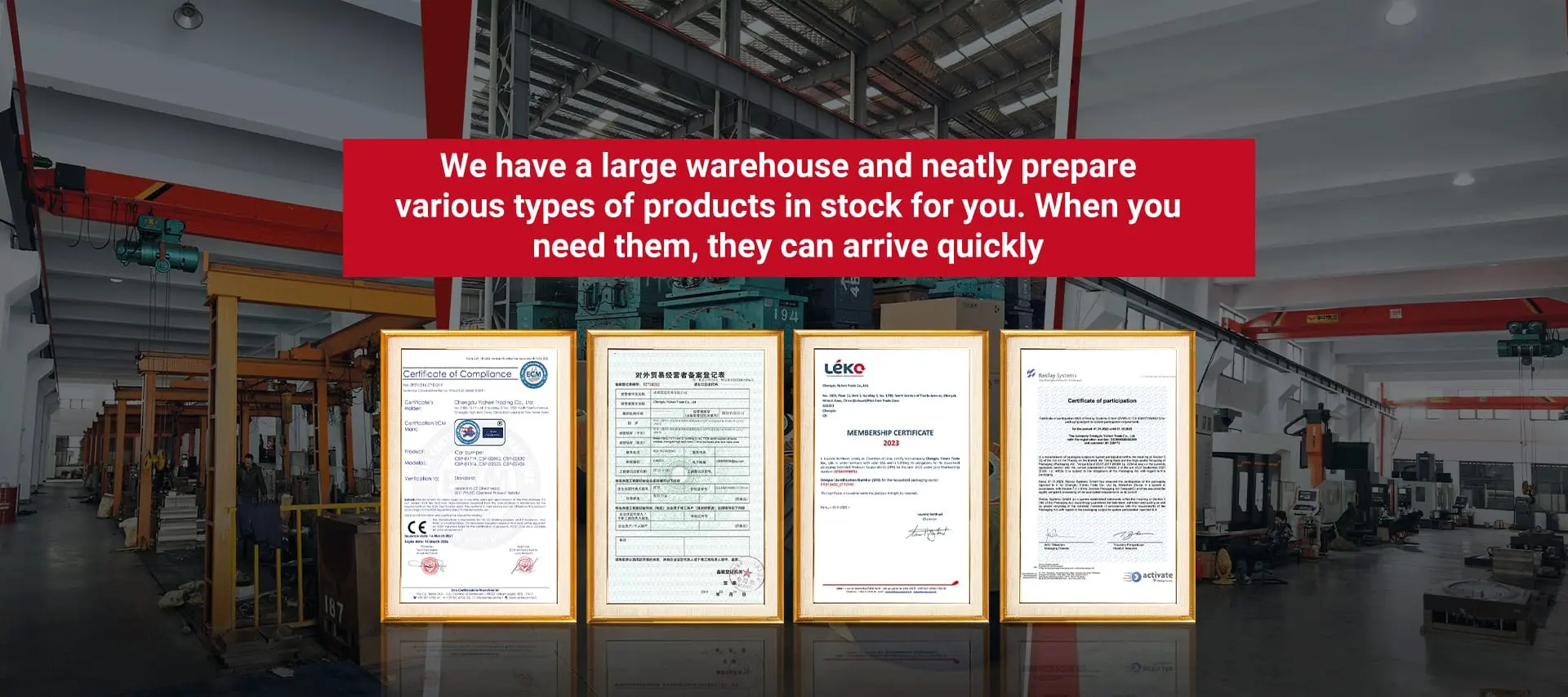
Tip: Always check the bumper’s certifications and industry standards. Compliance with safety regulations is a crucial sign of quality.
Also, consider additional features like integrated sensors and lighting options. These provide greater security and improve visibility. However, installation complexity should not be overlooked. A poorly installed bumper can affect its function.
Tip: Consult with professionals if you're uncertain about installation. Proper fitting is just as important as the bumper quality itself.
Insights on Quality Standards and Certifications for Car Bumper Manufacturing
When selecting car bumpers, quality standards and certifications are critical factors for global buyers. Industry data shows that around 70% of consumers prioritize safety and performance. Bumpers are crucial in protecting vehicles during minor collisions, but not all bumpers are created equal. Common certifications, such as ISO 9001 and IATF 16949, ensure adherence to quality management systems. These certifications often reflect a manufacturer’s commitment to producing robust and reliable bumpers.
Additionally, materials play a significant role in bumper performance. High-quality thermoplastics and composites show improved impact resistance. According to a recent report by the Automotive Plastics Association, these materials can absorb up to 20% more energy during impacts than traditional metals. However, inconsistencies in production processes can still lead to subpar products entering the market. Buyers must do their research to discern which manufacturers consistently uphold rigorous testing standards.
It's essential to recognize that not all bumpers will meet every safety standard. There are varying regional regulations that may complicate assessments. One must be vigilant in seeking out bumpers that adhere to both local and international safety standards. The importance of due diligence cannot be overstated; the safety of the vehicle occupants may very well depend on choosing the right bumper.
Quality Standards and Certifications for Car Bumpers
Global Market Trends: Demand for Premium Car Bumpers Across Regions
The demand for premium car bumpers is rising globally. More consumers seek quality over cost. This trend is reflected in various markets, where buyers prioritize durability and aesthetic appeal. In regions like North America and Europe, safety regulations influence choices. Buyers are keen on bumpers that can withstand impacts while maintaining design integrity.
Manufacturers must consider material selection carefully. Lightweight materials are becoming popular due to fuel efficiency concerns. However, some buyers may overlook the longevity of cheaper options. It's essential for buyers to evaluate the long-term benefits of investing in quality over immediate savings. Educating consumers on these choices is crucial in a competitive market.
Market dynamics fluctuate based on consumer preferences. Regional trends can vary significantly, influenced by cultural and environmental factors. Buyers often focus on specific attributes that resonate with their values. Ensuring that bumpers meet regional standards can be a challenge for international manufacturers. Ongoing market research is necessary to adapt to these changes effectively.