

Top 10 Car Body Kit Types for Global Buyers?

The global demand for vehicle personalization is expanding with the wider automotive aftermarket. OICA reported 93.5 million motor vehicles produced worldwide in 2023. That enormous vehicle base creates varied opportunities for exterior upgrades, from compact hatchbacks to luxury SUVs.

SEMA’s 2023 Market Report valued the United States specialty-equipment market at approximately $52.3 billion. A Car Body Kit represents only one segment, yet it reflects changing buyer priorities: stronger visual identity, improved aerodynamics, and practical replacement options. Grand View Research also identifies aftermarket growth as a long-term trend, supported by older vehicles, online retail, and rising customization interest.

This guide examines ten major Car Body Kit types for global buyers. It covers full body kits, lip kits, widebody systems, bumper kits, side skirts, and more. Each category requires careful judgment. Material quality matters. So does vehicle compatibility.

ABS plastic may suit daily driving. Fiberglass can offer flexible styling, but installation may require more preparation. Carbon fiber looks distinctive, although its price and repair demands can challenge inexperienced owners. Fitment is equally important, especially when importing parts across different markets.

Not every aggressive design improves performance. Some kits look impressive online but fit poorly in real life. That is worth admitting.

Buyers should compare mold accuracy, mounting points, finish quality, shipping protection, and after-sales support. They should also verify local certification and road-use requirements before installation. Professional fitting remains advisable, particularly for widebody conversions and structural bumper changes. The following ten types provide a practical framework for comparing appearance, function, cost, and ownership risk across global markets.
Top 10 Car Body Kit Types for Global Buyers?

Market Definition: SEMA Reported a $52.3B U.S. Specialty-Equipment Market in 2023

Top 10 Car Body Kit Types for Global Buyers

Market Definition: SEMA Reported a $52.3B U.S. Specialty-Equipment Market in 2023

SEMA reported a $52.3 billion U.S. specialty-equipment market in 2023. This figure covers more than body kits. It includes performance parts, accessories, wheels, lighting, and appearance upgrades. For global buyers, the number shows strong demand, but it does not measure kit sales alone. That distinction matters.

The ten common body kit types are lip kits, full replacement kits, widebody kits, overfender kits, bumper kits, side-skirt kits, rear diffuser kits, rear valance kits, grille kits, and pickup conversion kits. Each serves a different purpose.

Lip kits add subtle definition with limited changes. Full kits create a complete visual redesign. Widebody and overfender systems need careful wheel and tire planning. Diffusers and valances can improve appearance, but their real aerodynamic value varies.

Fitment remains the weak point.

In my sourcing experience, buyers often focus on photographs first. They should check material, mounting points, panel gaps, and installation instructions. Fiberglass may require more finishing work. Composite materials can reduce weight, yet quality differs between suppliers.

Always confirm the vehicle’s year, trim, market specification, and steering configuration. Regional regulations also affect bumper height, lighting, and exterior projections. A perfect-looking kit may still need modification. That is an inconvenient truth.

Reliable sellers provide measured drawings, packaging details, and realistic lead times. Photographs alone are not enough.

Core Kits: Front Lips, Bumpers, Side Skirts, and Rear Valances by Fitment

Global buyers often begin with four core body kit parts: front lips, bumpers, side skirts, and rear valances. Each part changes the vehicle’s visual balance and airflow around the body. Fitment matters more than appearance. A front lip may suit one bumper revision but leave gaps on another. Check the exact model year, body style, and factory mounting points before ordering. Small differences matter.

Front bumpers offer broader styling changes, but they may affect parking sensors, grilles, or headlamp washers. Front lips usually require fewer modifications. Side skirts should match the door length and rocker-panel shape. Measure both sides before installation. Rear valances must align with exhaust outlets, reflectors, and parking sensors. A few millimeters can become obvious after painting.

Experienced installers test-fit every panel before surface preparation. They inspect bolt holes, edge thickness, and wheel clearance under compression. Material choice also deserves attention. Flexible plastic handles minor impacts, while reinforced composite panels may provide sharper lines. Neither option is perfect. Shipping can distort edges, and paint can hide poor alignment. Clear instructions, accurate measurements, and accessible replacement hardware improve reliability for buyers across different markets. Some vehicles also need local inspection approval after exterior changes, so buyers should confirm regional requirements.

Top 10 Car Body Kit Types for Global Buyers

Typical professional installation time by fitment type

Front lips, rear valances, and grille replacements generally require less installation time because they are commonly designed as add-on or direct-replacement parts. Widebody overfenders and complete bumper conversions typically require more fitting, trimming, alignment, and refinishing work. Actual time varies by vehicle platform, material, mounting method, and paint requirements.

Aero and Style Kits: Diffusers, Spoilers, Hoods, and Full-Body Conversions

For global buyers, aero and style kits should solve a clear problem, not create expensive decoration. A front splitter can sharpen airflow, while a rear diffuser manages air leaving beneath the vehicle. Spoilers add visual balance and may improve stability when correctly matched to the car’s speed and design. Hoods can reduce weight or improve engine-bay ventilation, but poorly designed vents may admit water and debris. Fitment comes first.

SEMA’s 2023 U.S. Market Report valued the specialty-equipment automotive market at approximately $52.3 billion. That figure shows strong demand for personalization, but it does not guarantee quality. Buyers should check CAD-based fitment, material thickness, mounting points, and replacement availability. Fiber-reinforced composites can reduce weight, while high-quality thermoplastics usually tolerate minor impacts better. Installation experience matters, especially around sensors, lighting, and cooling paths.

Full-body conversions create the strongest visual change. They also carry the greatest risk of panel gaps, paint mismatch, and difficult maintenance. S&P Global Mobility reported an average U.S. vehicle age of 12.6 years in 2024, supporting continued aftermarket interest as vehicles remain longer in service. Regional buyers should confirm local inspection, lighting, ground-clearance, and pedestrian-safety requirements before ordering. The dramatic kit is not always the practical one. I have seen attractive builds become frustrating because a replacement bracket was unavailable. A complete parts list and documented installation guide can prevent that mistake.

Widebody Kits: Fender Flares, Overfenders, and Rocket Bunny-Style Designs

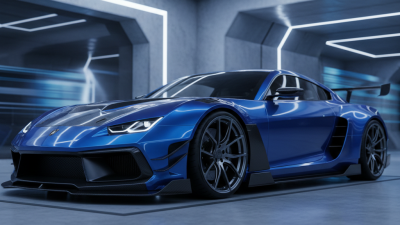
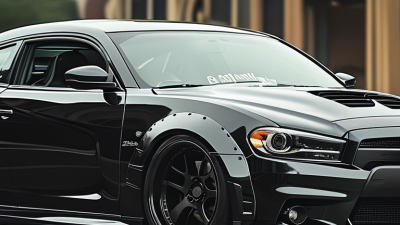
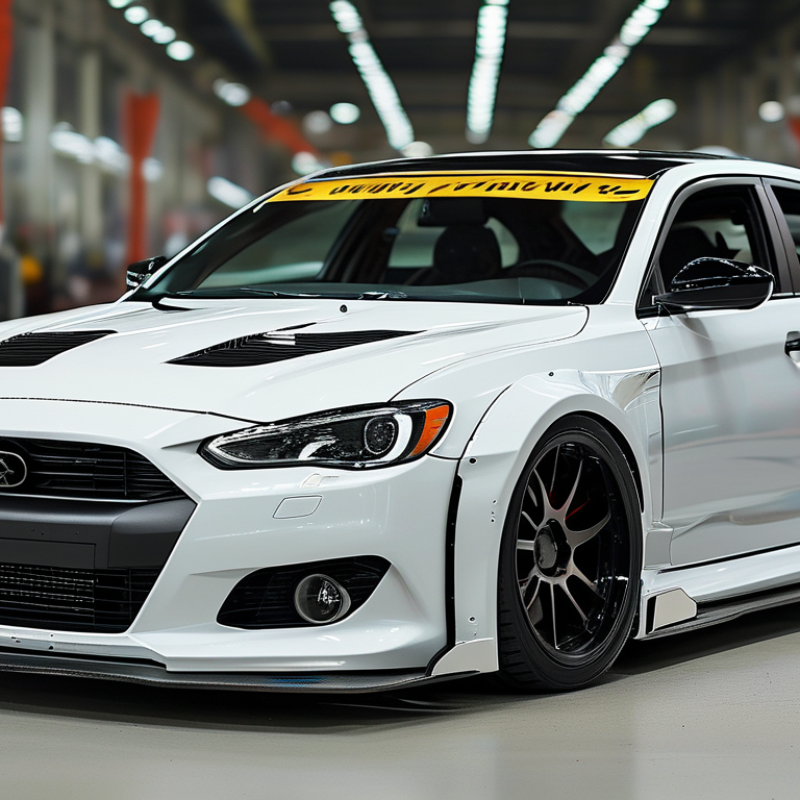
Widebody kits are among the most noticeable car body kit types for global buyers. They extend the wheel arches, create stronger visual balance, and allow wider wheels when the suspension setup supports them. Fender flares offer a practical starting point. They usually attach around the original arches and can suit daily-driven vehicles. Overfenders extend farther outward, often using visible bolts, layered edges, and deeper side profiles. These details create a purposeful appearance, but they also expose poor alignment quickly.

Low, angular, track-inspired designs provide a more dramatic option. Their broad arches and sharp surfaces can make a compact car look planted on the road. However, appearance should not replace measurement. Check the kit’s material, panel thickness, mounting points, and compatibility with your exact model year. A two-millimeter mismatch can become obvious beside a door gap. It can also cause paint cracking after repeated vibration. Not every kit fits perfectly.

Professional installation matters. The installer should test-fit every panel before cutting, drilling, or painting. Wheel offset, tire clearance, steering lock, and suspension travel need careful checking. Leave room for real road conditions, not only smooth showroom floors. I have seen aggressive arches look excellent at rest but rub during a full-lock turn. That is an avoidable mistake. Buyers should also confirm local rules for exterior width, lighting visibility, and road safety before ordering.

Global Buyer Checks: UNECE R26, TÜV Certification, Materials, and Installation Standards

Choosing among the top 10 car body kit types requires more than styling. Front lips, bumpers, side skirts, spoilers, diffusers, fender flares, hoods, grilles, canards, and wide-body panels can all affect external projection limits. UNECE Regulation No. 26 requires vehicle surfaces to reduce injury risks from sharp edges or protruding parts. A kit may look harmless, yet a low lip can change ground clearance and pedestrian contact points.

TÜV certification deserves careful checking. It is not one universal approval, and acceptance depends on the test scope and destination market. Ask for the certificate number, tested material, vehicle application, and installation conditions. TÜV-style assessments commonly review fitment, edge radius, fastening, visibility, and interference with lighting or sensors. Do not trust a logo alone. That shortcut fails too often.

Material choice matters during inspection and daily use. PP and ABS usually tolerate vibration better than brittle fiberglass, while carbon-fiber panels can reduce weight but demand precise mounting. The European End-of-Life Vehicles Directive targets 85% reuse or recycling and 95% recovery by vehicle weight, according to European Commission data. This makes traceable material information increasingly important. Installation should preserve crash structures, parking sensors, wheel movement, and exhaust heat clearances. Use documented torque values and corrosion-resistant fasteners. Small errors remain possible. A professional inspection before road use is still sensible, especially after modifying wheel arches or bumper mounts.