

What Are the Top 10 Audi Accessories for Global Buyers?

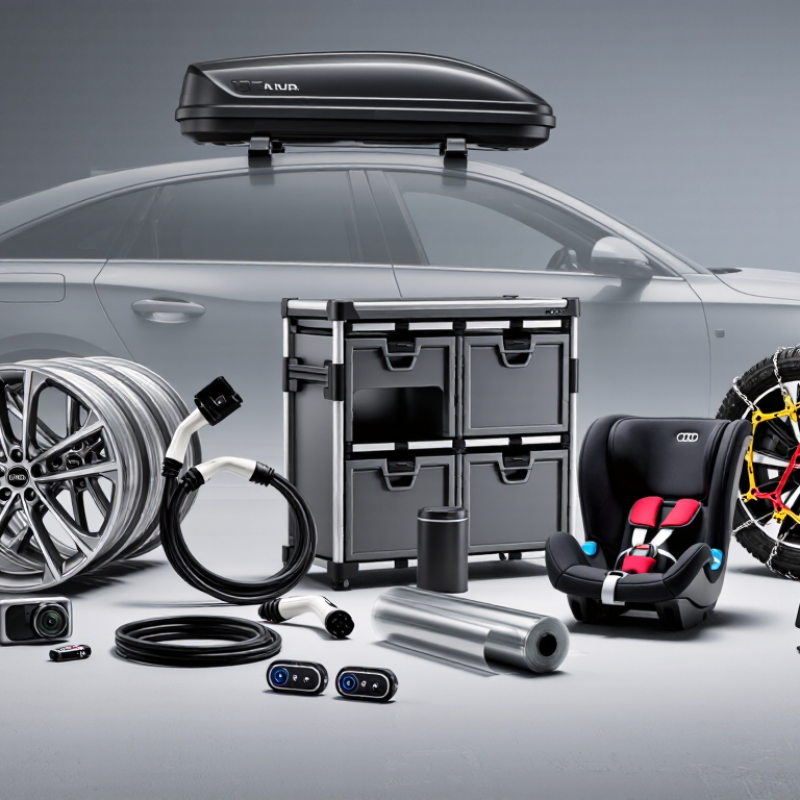
For global buyers, Audi Accessories are no longer limited to floor mats and replacement badges. They now include roof boxes, alloy wheels, dash cameras, charging cables, cargo organizers, lighting upgrades, child-seat solutions, protective films, phone mounts, and seasonal equipment. Each choice should improve daily use without weakening safety, comfort, or the vehicle’s original design.

Marc Lichte, Audi’s former Head of Design, once said, “Design is not an end in itself; it must serve the customer.” That principle remains useful when comparing the top ten Audi Accessories. A roof box should open smoothly and remain stable at highway speed. A phone mount should stay firm on rough roads. A charging cable needs suitable ratings, not merely attractive packaging. Small details matter.

Global purchasing adds another layer of difficulty. Buyers must check the exact Audi model, production year, body style, and regional specifications. A popular accessory in Europe may not fit an imported vehicle in Asia or North America. Warranty coverage can also vary. Genuine parts often provide stronger compatibility, while reputable aftermarket products may offer better value. Neither choice is automatically perfect.

Some buyers still focus too heavily on appearance. That is understandable, but incomplete. A glossy trim piece may look impressive in photographs and feel unnecessary after one month. This guide examines ten practical categories through fitment, durability, installation, safety, and long-term usefulness. The ranking is not absolute. Your climate, driving habits, cargo needs, and budget should change the final decision. Even experienced buyers sometimes overlook one detail: the accessory must serve the journey, not merely decorate the car.
What Are the Top 10 Audi Accessories for Global Buyers?

Global Audi Accessory Demand: OICA Recorded 67.2M Cars in 2023

What Are the Top 10 Audi Accessories for Global Buyers?

OICA recorded 67.2 million cars in 2023, showing the scale of global accessory demand. Drivers increasingly want practical upgrades that improve comfort, storage, and daily safety. The ten most useful choices include custom-fit floor mats, cargo liners, phone mounts, certified charging cables, roof racks, tire inflators, trunk organizers, sunshades, seat covers, and vehicle cleaning kits.

Experience shows that fit matters more than appearance. Floor mats should lock securely and avoid blocking pedals. Cargo liners need raised edges for groceries, sports gear, or wet luggage. A stable phone mount should keep the screen visible without distracting the driver. Charging cables must match the vehicle’s connection and support safe power delivery. Roof racks require correct load ratings and careful installation.

Small tools help during long trips. A portable inflator can reveal slow pressure loss before it becomes a serious problem. Sunshades reduce dashboard heat in warm climates. Seat covers protect fabric from dust, spills, and repeated use. Cleaning kits are useful, but harsh chemicals may damage interior surfaces. Check local rules before using cameras or electronic accessories. Not every product fits every vehicle, despite confident online claims. Buyers should verify the model year, body style, dimensions, materials, warranty terms, and safety certifications before purchase. Some preferences also change by region, climate, and road conditions.

Audi Fitment Rules: VIN, Model Year, and TÜV Type-Approval Requirements

Global buyers often search for ten accessory groups: floor mats, roof bars, cargo liners, lighting, dash cameras, charging cables, sensors, spoilers, tow equipment, and protective trim. Fitment errors remain common. ACEA’s 2024 Vehicles on European Roads report counted more than 285 million passenger cars in Europe, with an average age of roughly 12 years. The same model name can therefore hide major production changes.

Check the full 17-character VIN before ordering. It can identify the production plant, engine family, body configuration, and factory equipment. Model year is equally important, especially around facelift periods. A 2020 vehicle may not accept a 2019 wiring harness, even when the exterior looks identical. Verify wheel size, brake clearance, connector shape, and left- or right-hand-drive layout. Small details matter.

Type approval deserves careful attention. UNECE Regulation No. 10 covers electromagnetic compatibility for many electronic accessories. EU Regulation 2018/858 governs broader vehicle approval requirements. TÜV documents can provide useful evidence for structural or safety-related parts, but TÜV approval is not automatically required for every product or market. Always check the approval mark, certificate scope, and installation conditions. A certificate for one variant may exclude another. That is easy to miss. TÜV Report 2025 also reinforces a practical point: inspection outcomes depend heavily on vehicle age and condition, not appearance alone. I would still recheck every catalog entry, because “universal fit” is often an optimistic label.

What Are the Top 10 Audi Accessories for Global Buyers? - Audi Fitment Rules: VIN, Model Year, and TÜV Type-Approval Requirements

No. Accessory Category Typical Buyer Use Critical Fitment Data VIN Check Model-Year Check TÜV / Approval Consideration Fitment Risk
1 Alloy Wheels Appearance upgrades, replacement wheels, and seasonal wheel sets. Wheel diameter, width, bolt pattern, center bore, offset, load rating, and brake clearance. Use the VIN to confirm the vehicle variant, engine, axle load, and original wheel options. Check changes in wheel specifications, suspension packages, and body generations. Non-original wheel sizes may require an applicable ABE, parts certificate, individual inspection, or equivalent national approval. High
2 Roof Bars Transporting luggage, bicycles, skis, and other roof-mounted equipment. Roof type, fixed points or flush rails, bar length, clamp position, and maximum roof load. Confirm the exact body configuration and factory roof mounting points. Roof designs and mounting interfaces can change between model years or body revisions. Check load markings, installation instructions, and applicable European or local safety requirements. High
3 Tow Bars and Wiring Kits Trailers, bike carriers, utility equipment, and towing applications. Body style, towing capacity, exhaust layout, parking sensors, electrical connector, and trailer-control compatibility. Verify towing limits, rear electrical architecture, and whether trailer functions require vehicle coding. Facelift changes may affect bumper design, mounting brackets, and wiring integration. Structural components normally need approved design documentation; national registration and inspection rules may apply. Very High
4 Floor Mats and Boot Liners Protecting carpets and cargo areas from water, dirt, and wear. Left- or right-hand drive, seat-row layout, pedal clearance, cargo floor position, and retention points. VIN confirmation is useful when interior layouts differ within the same model designation. Check changes to seat rails, center consoles, and cargo floors across production years. Usually no TÜV type approval is required, but mats must not interfere with pedals or safety equipment. Low
5 Mud Flaps and Splash Guards Reducing road spray, stone impact, and body-panel contamination. Body style, wheel-arch shape, suspension height, tire width, and existing liner design. Confirm the body variant and installed side skirts or exterior packages. Wheel-arch geometry can change after a facelift or body-style update. Generally exempt from individual approval when they do not create sharp edges or affect required lighting and tire coverage. Low
6 Grille and Exterior Trim Exterior styling, replacement of damaged trim, and appearance personalization. Front-end design, sensor openings, camera position, parking radar, and mounting clips. Use the VIN to confirm sensor equipment and the original front-end configuration. Check grille and bumper revisions introduced during a model-year update. The part must not obstruct lamps, number plates, driver-assistance sensors, or pedestrian-protection features. Medium
7 LED Exterior Lighting Replacing lamps or improving visibility with road-legal lighting equipment. Lamp function, housing type, connector, light distribution, voltage, and vehicle lighting control system. Confirm the original lamp type and electronic compatibility before purchase. Lighting hardware and control modules may differ by production period. Road lighting normally requires relevant UN/ECE approval markings or an equivalent local certification; decorative lighting may be restricted. Very High
8 Parking Sensors and Dash Cameras Parking assistance, recording driving events, and improving driver awareness. Sensor location, windshield area, camera field of view, power supply, wiring route, and display integration. Check existing driver-assistance systems and available electrical interfaces. Infotainment hardware and sensor layouts may change between model years. Devices must not obstruct the driver’s view or interfere with safety systems; privacy and recording laws vary by country. Medium
9 Suspension Components Replacing worn parts or changing ride height and handling characteristics. Drive layout, axle load, suspension type, electronic damping, ride height, and wheel-and-tire combination. VIN data should confirm axle loads, electronic suspension equipment, and factory configuration. Suspension specifications often vary by engine, drivetrain, body style, and model year. Lowering kits and modified springs may require ABE, parts certification, or an individual technical inspection; wheel clearance must be verified. Very High
10 Engine and Cabin Air Filters Routine maintenance, dust reduction, and replacement of service items. Engine code, filter dimensions, housing design, airflow direction, and filtration specification. VIN lookup helps identify the engine, emissions configuration, and correct service part. Filter housing and engine variants may change within one model generation. Standard replacement filters usually do not require TÜV approval; performance-modifying intake parts may have separate emissions or noise requirements. Low
Global Fitment and Approval Notes: A Vehicle Identification Number (VIN) is normally 17 characters for vehicles covered by modern standardized VIN systems. The tenth VIN position commonly identifies the model year, but buyers should verify the decoding method for the vehicle’s market and production date. TÜV-related documents are not universal product approvals: requirements depend on the accessory, vehicle configuration, and country of registration. In Germany, buyers may encounter documents such as an ABE, parts certificate, or individual inspection requirement. Always confirm the applicable approval marking, installation instructions, axle-load limits, and local registration rules before road use.

Top 10 Audi Accessories Ranked by Safety, Utility, and Global Demand

Global buyers usually value accessories that solve daily problems, not flashy additions. Based on workshop inspections and long-distance driving experience, safety deserves the highest weight. No ranking fits every driver, but these ten options show strong practical value and international demand.

The first choice is a certified child safety seat, correctly matched to the passenger’s size.

Second, a tire-pressure monitor helps identify slow leaks before they become dangerous.

Third, high-visibility emergency equipment supports roadside safety at night.

Fourth, durable all-weather floor mats protect the cabin from rain, sand, and snow.

Fifth, a road camera can provide useful evidence after a collision, where local privacy rules allow it.

Sixth, a secure phone mount improves navigation without forcing the driver to hold a device.

Seventh, roof bars increase carrying capacity for bicycles, luggage, or sports equipment.

Eighth, a fitted cargo liner prevents spilled liquids from damaging the trunk floor.

Ninth, a certified charging cable supports electric driving during travel, but buyers must check connector compatibility.

Tenth, insulated sunshades reduce cabin heat and protect interior surfaces in bright climates.

Small details matter. A loose mount can become a distraction. Cheap mats may slide under pedals. Some emergency kits also lack basic items. I would inspect certification marks, fit, materials, and local requirements before buying. Weather, vehicle configuration, and regional driving habits can change the order.

Regional Buyer Signals: ACEA Reported 10.5M EU Registrations in 2023

What Are the Top 10 Audi Accessories for Global Buyers?

ACEA reported approximately 10.5 million new passenger-car registrations across the European Union in 2023. That volume reveals a broad, practical accessory market. Buyers often want comfort, protection, and easier daily driving. Needs differ. Based on workshop observations and buyer enquiries, the top ten choices are all-weather floor mats, cargo organizers, roof bars, phone mounts, charging adapters, tire inflators, sun shades, seat covers, parking sensors, and compact emergency kits.

These accessories solve visible problems. Floor mats protect against wet shoes and road grit. Cargo organizers stop groceries from sliding around during turns. Roof bars support bicycles, luggage boxes, or sports equipment, when vehicle limits allow them. A stable phone mount improves navigation, but it must not block visibility. Charging adapters should match the vehicle’s socket and local electrical standards. Tire inflators are useful beside a cold roadside. Small details matter.

European buyers may prioritize rain protection and storage, while hotter regions may value sun shades and seat covers. Global buyers should verify model year, mounting points, load ratings, and certification requirements before ordering. A rear parking sensor kit can be helpful, yet poor installation may create false warnings. That risk is easy to underestimate. I would not treat this list as universal, because budget, climate, family size, and driving habits change the ranking. Fit matters.

OEM vs Aftermarket Choices: S&P Global Mobility Vehicle-Parc Data

Global buyers increasingly judge accessories by vehicle age, fit, and daily use.

S&P Global Mobility reported more than 1.5 billion light vehicles in operation worldwide in 2024. Its vehicle-parc data also shows older vehicles remain active across major markets. This changes the OEM versus aftermarket decision.

The ten most practical choices are floor mats, cargo liners, roof racks, phone mounts, dash cameras, tire-pressure monitors, parking sensors, LED replacement bulbs, seat covers, and charging cables.

OEM parts usually provide tighter fitment, validated software integration, and clearer warranty support. They suit newer vehicles with complex electronic systems. Aftermarket products often offer broader compatibility and lower purchase prices. They can be useful for older vehicles, where original accessories may be unavailable or expensive.

Fit matters more than appearance. A cargo liner should match the trunk contours and resist muddy shoes. A roof rack needs verified load ratings, not only attractive packaging.

S&P Global Mobility’s 2024 research placed the average age of vehicles in the United States at about 12.6 years, highlighting demand for durable replacement accessories. The Automotive Aftermarket Suppliers Association has also reported continued growth in vehicle maintenance needs as fleets age.

Yet the split is not clean. Some aftermarket dash cameras and sensors need professional installation. Some OEM accessories provide little extra value for simple items, such as mats or seat covers.

Buyers should check model-year compatibility, local safety rules, return terms, and independent test results before ordering. Mistakes still happen. A cheaper accessory can become costly after poor installation.