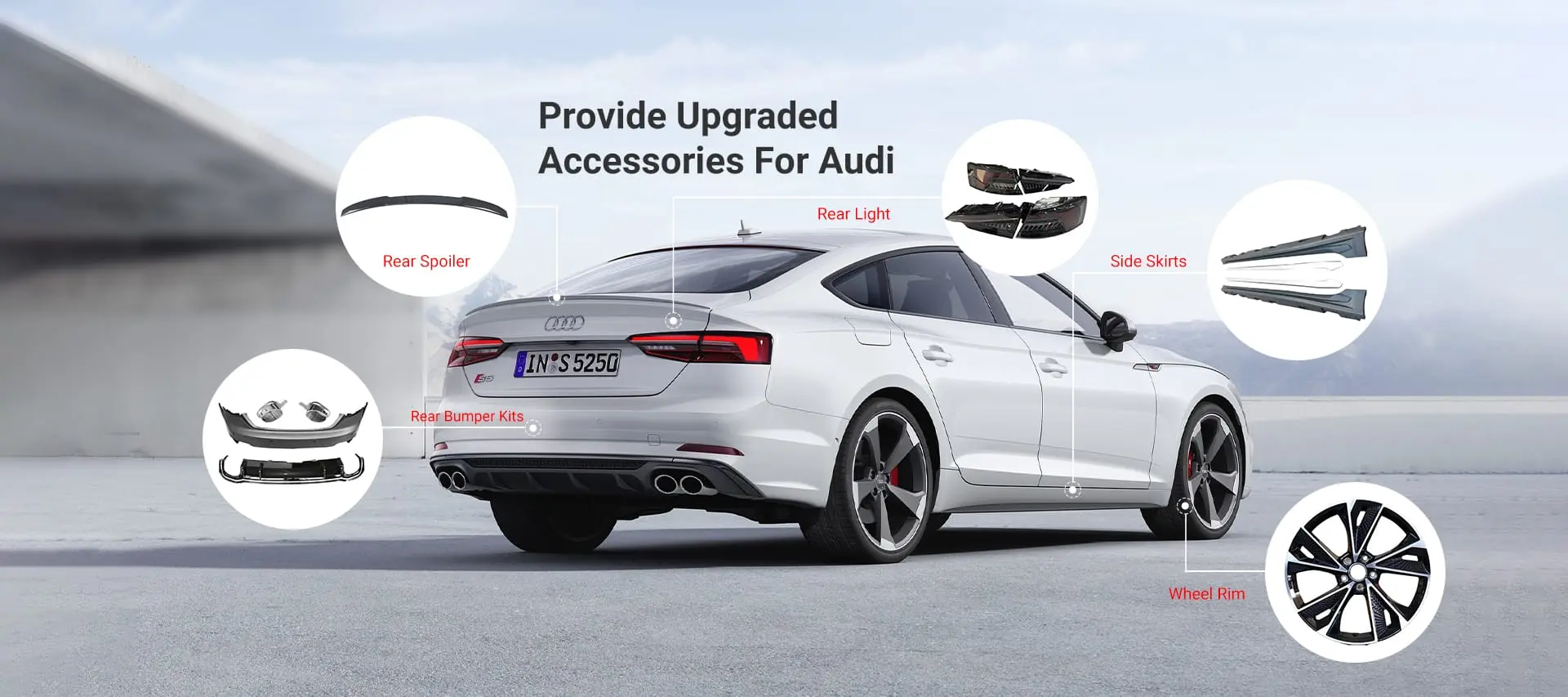
Top 10 Essential Audi Parts Every Global Buyer Needs?
When it comes to maintaining and enhancing the performance of your Audi, knowing the right Audi Parts is crucial. Each component plays a significant role in ensuring your vehicle runs smoothly. These parts can significantly influence your driving experience, safety, and even the resale value of the car. Understanding which Audi Parts are essential can save you time and financial resources.
Audi enthusiasts often overlook vital components. This oversight can hinder performance and increase maintenance costs. For a global buyer, selecting quality Audi Parts should be a top priority. It's important to rely on reputable sources for these parts. Quality assurance ensures longevity and reliability.
Navigating the market can be challenging. Low-quality parts may seem like a bargain, but they can compromise vehicle performance. Investing time in research can help you distinguish between high-quality and subpar parts. Purchasing from trusted suppliers can lead to a more satisfying ownership experience. Investing wisely in proper Audi Parts will enhance your driving experience for years to come.

Top 10 Essential Audi Parts for Global Buyers
For global buyers, understanding essential parts for Audi vehicles is crucial. These components ensure optimal performance and longevity. Popular parts include brake pads, filters, and spark plugs. Each part plays a vital role in the vehicle's operation.
Brake pads withstand wear and climate changes. They are essential for safety during driving. Filters, such as air and oil filters, keep the engine running smoothly. They help improve fuel efficiency and reduce emissions. Spark plugs ensure efficient combustion, which keeps the engine powerful.
Buyers must be cautious. Not every part might fit every model. Compatibility is key. Research is necessary to avoid costly mistakes. Sometimes, the cheapest option may not provide the best quality. Balancing cost and reliability is important. In the long run, investing in quality parts is worthwhile.
Understanding the Importance of Quality Audi Parts
When it comes to maintaining an Audi, the quality of parts is crucial.
Quality components ensure safety, efficiency, and a top-notch driving experience.
Low-quality parts may save money short-term but lead to bigger issues later.
This can be frustrating and costly in the long run.
To ensure you choose the right parts, consider sourcing from reliable suppliers.
They provide guarantees and customer support.
Do not compromise on quality for lower prices. Ask for reviews and check ratings.
Tips like these can save you from headaches down the road.
Remember that some parts require professional installation.
Mistakes can lead to malfunctions or even damage.
Seek assistance if you're unsure about the installation process.
Investing in quality parts is investing in your vehicle's future.
Be cautious and informed in your choices.
Key Features to Consider When Buying Audi Parts
When shopping for Audi parts, attention to key features is vital. First, consider the compatibility of each part with your specific model. Not all parts fit every vehicle. Verify the part number and specifications carefully. Quality is another crucial factor. OEM (Original Equipment Manufacturer) parts often provide better reliability. However, aftermarket options can be more affordable, though they may vary in quality.
Think about the warranty offered with the parts. A strong warranty can indicate a manufacturer’s confidence in their product. Performance parts might enhance your vehicle’s capabilities. Yet, keep in mind that they can impact your car's warranty or insurance. Additionally, price is always a concern. It’s easy to overspend on high-end parts, so set a budget beforehand.
Lastly, do not overlook the importance of reviews. Reading experiences from other buyers adds valuable insight. Genuine feedback can expose potential flaws and highlight the advantages of certain parts. Depending on a single source might lead to misjudgments, so seek diverse opinions. Balancing quality, price, and compatibility is key to making informed choices. Address hesitations openly and make adjustments as needed.
Comparing OEM and Aftermarket Audi Parts
When it comes to Audi parts, buyers often face a choice between OEM (Original Equipment Manufacturer) and aftermarket options.
Understanding the differences is crucial for making informed decisions.
OEM parts are made by the vehicle’s manufacturer. They tend to offer reliable quality but at a higher price.
Aftermarket parts, on the other hand, may vary in quality. Some are excellent, while others fall short.
Tips: Always research the supplier's reputation before purchasing aftermarket parts. Look for reviews and ratings.
Aftermarket parts can sometimes provide cost savings. However, the risk of lower quality is present.
Some aftermarket parts may not fit perfectly, leading to additional repairs.
On the flip side, quality aftermarket brands offer performance enhancements. They might even improve durability, giving Audi enthusiasts better options.
Tip: Compare warranties and test results from independent sources. This can help you gauge the reliability of aftermarket parts.
Both options have their pros and cons. Being cautious when selecting is essential.
DIYers may save money with aftermarket parts but should prioritize quality.
Those less experienced might feel safer with OEM. Evaluating your needs plays a vital role in your choice.
Tips for Sourcing Audi Parts Internationally
Sourcing Audi parts internationally can be a daunting task. Buyers must navigate various supply chains and understand market dynamics. Start by identifying reputable suppliers. Research their reviews and ratings online. Look for connections in automotive forums or social media groups. Engaging with people who have hands-on experience can provide valuable insights.
Next, consider the logistics of shipping. Different regions have varying shipping costs and times. Be aware of customs regulations that may impact your order. Preparedness can save you from unexpected delays. Sometimes, parts may take longer to arrive than anticipated. Having a backup supplier could lessen frustration.
Finally, don't overlook warranty options. Some parts might come with limited warranties or guarantees. Ensure you clarify these details before making a purchase. A good warranty can add peace of mind. Take the time to read the fine print. This diligence can lead to more informed decisions and prevent future issues.