How to Choose the Right Car Body Kit for Your Vehicle?
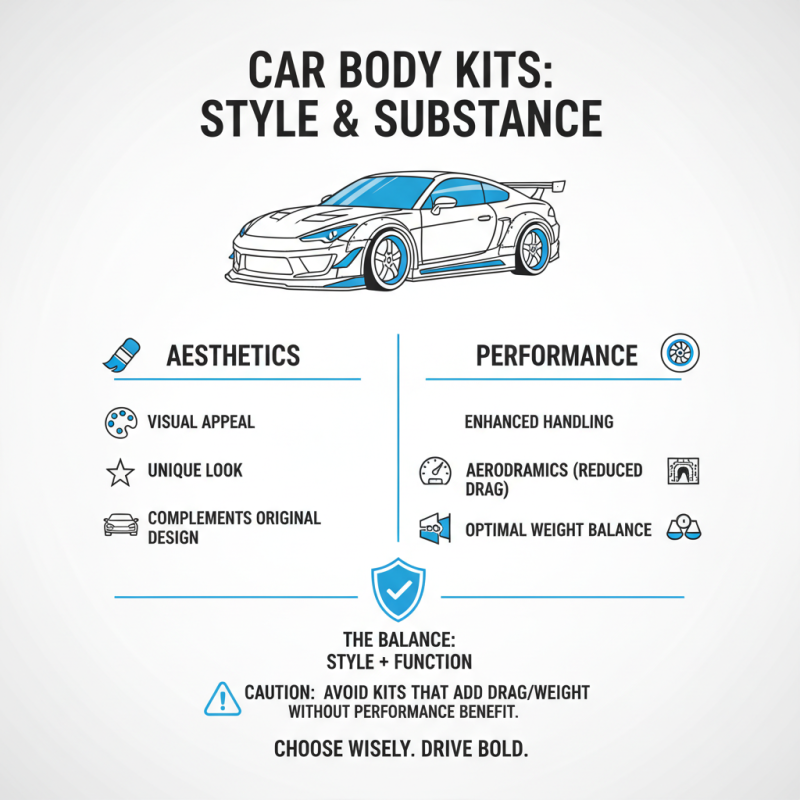
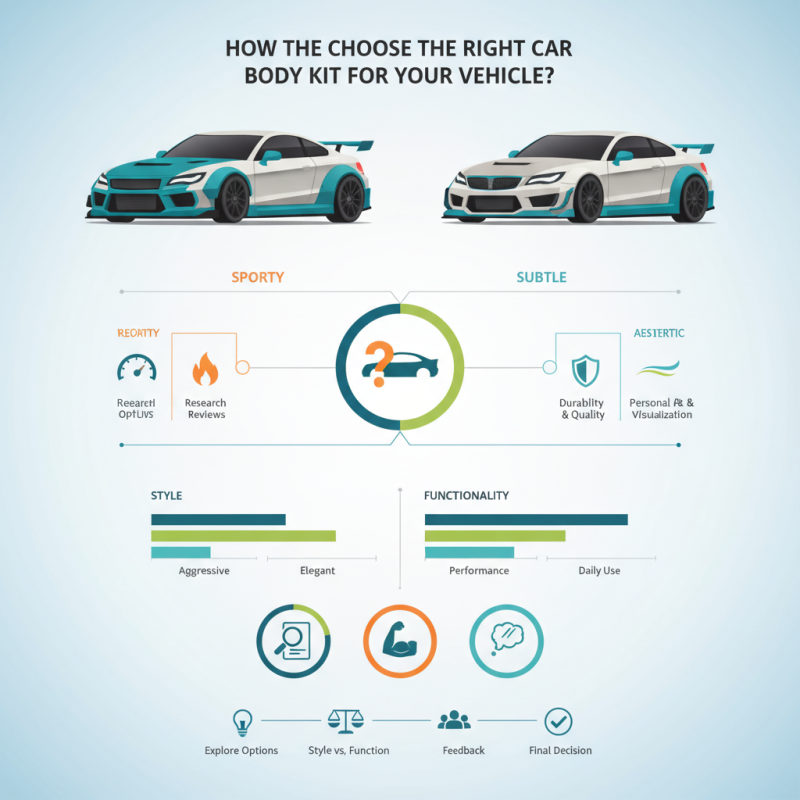
When considering how to choose the right Car Body Kit for your vehicle, it's crucial to understand your specific needs and preferences. Automotive expert Sarah Jensen states, "Selecting a Car Body Kit is about finding the right balance between style and functionality." With countless options available, making the right choice can be overwhelming. Different kits offer varying aesthetics and performance enhancements.
Car Body Kits can dramatically alter the appearance of your vehicle. However, it's essential to evaluate the quality of materials used. Inexpensive kits may seem attractive, but often compromise durability. Research and read reviews before purchasing. The wrong choice can lead to fitting issues or a design that doesn't harmonize with your car's original look.
Personal preference plays a significant role. Some might prefer a sporty look; others may opt for a more subtle enhancement. Take your time to visualize how different kits will change your vehicle. Exploring different styles can be enlightening, yet it may also spark doubts. Trust your instincts, but don't shy away from feedback. Reflecting on your choice is necessary for a satisfying end result.
Understanding Car Body Kits: Types and Functions
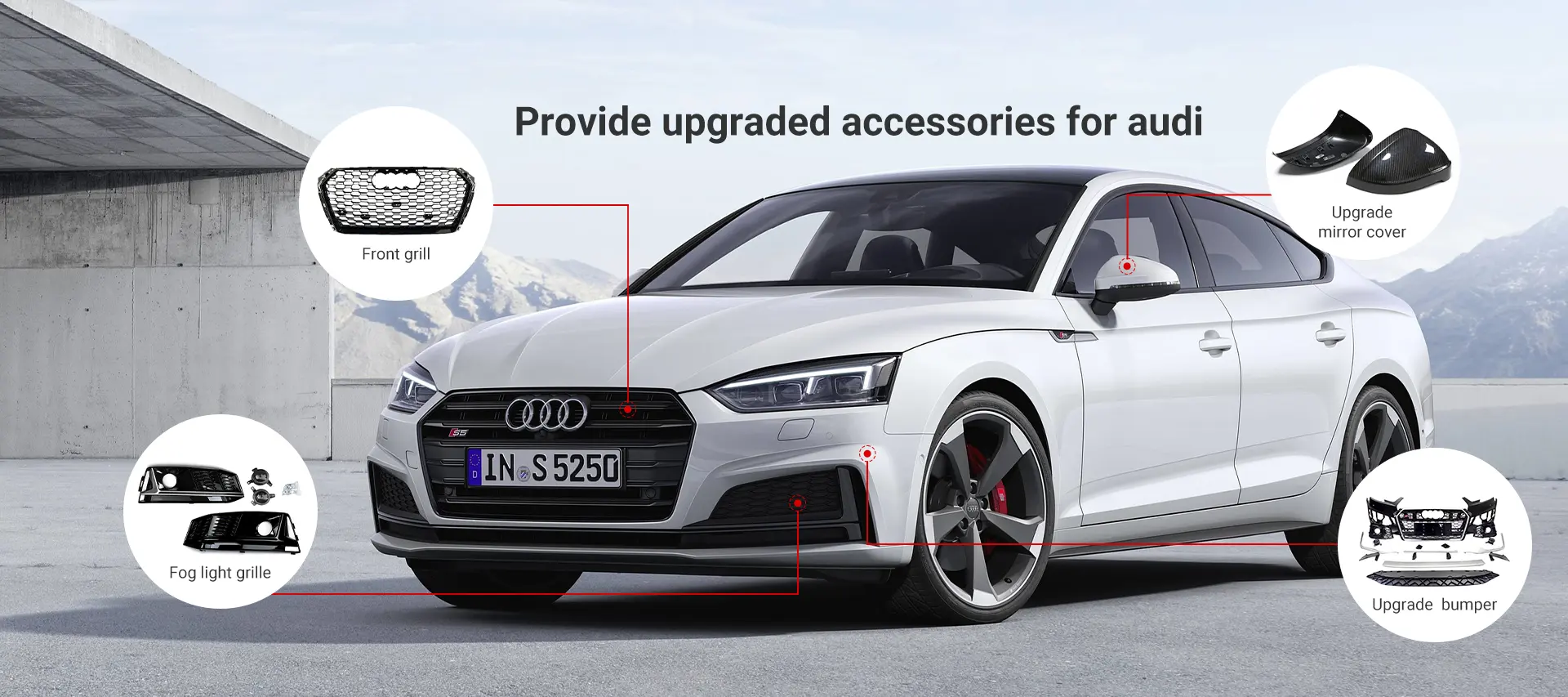
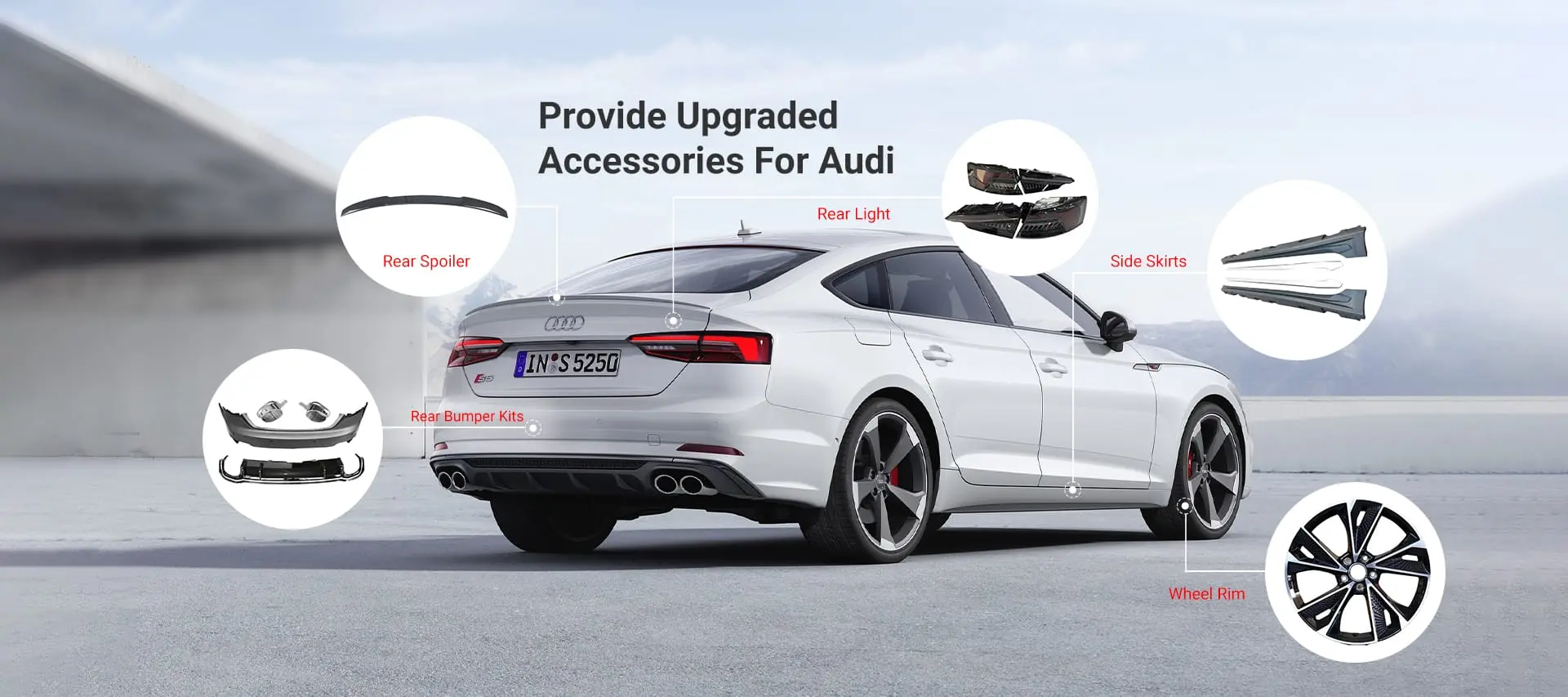
When it comes to car body kits, understanding the types and functions is essential. Body kits generally include front and rear bumpers, side skirts, and spoilers. Each element serves a purpose, but they also contribute to the overall aesthetic of a vehicle. A well-designed kit can enhance aerodynamics and improve handling. However, not all kits fit every model perfectly, so careful selection is crucial.
Consider the material of the body kit. Fiberglass is lightweight and affordable, but it can crack easily. ABS plastic offers durability but might weigh more. Carbon fiber is strong and lightweight but often comes at a higher price. When choosing, reflect on your driving habits. A sporty appearance might tempt you, but practicality should never be overlooked.
Installation can be tricky. An ill-fitted kit affects performance negatively. Some vendors offer installation services, which can help avoid costly mistakes. DIY can save money but requires skill. Think about whether you’re up for that challenge. Remember, the right choice enhances your vehicle's functionality and visual appeal, but it also requires thought and diligence.
Assessing Compatibility with Your Vehicle Model
When considering a car body kit, compatibility with your vehicle model is crucial. Many enthusiasts overlook this step. A poorly matched kit can affect performance, safety, and aesthetics. Studies indicate that over 45% of body kits sold are incompatible with the intended vehicle. This leads to installation issues and additional expenses.
First, evaluate your car's specifications. Measure dimensions carefully. Many kits specify fitment based on chassis numbers or modifications. Ignoring these guidelines can result in gaps or misalignment. Some installations may require extensive alterations. Such changes often cost significantly more than the kit itself.
Research is essential. Online forums and reviews can provide insight into other users’ experiences. According to industry reports, about 30% of buyers regret their choices due to compatibility issues. Ask questions before purchasing. A well-fitted body kit enhances your vehicle's look and performance. Choosing wisely is the key to a successful upgrade.
How to Choose the Right Car Body Kit for Your Vehicle? - Assessing Compatibility with Your Vehicle Model
| Vehicle Model |
Body Kit Type |
Material |
Compatibility |
Price Range |
| Honda Civic 2020 |
Front Bumper Kit |
Fiberglass |
Perfect Fit |
$500 - $700 |
| Toyota Camry 2019 |
Full Body Kit |
ABS Plastic |
Modified Fit |
$800 - $1200 |
| Ford Mustang 2021 |
Rear Spoiler Kit |
Carbon Fiber |
Perfect Fit |
$300 - $450 |
| Chevrolet Corvette 2020 |
Side Skirt Kit |
Polyurethane |
Compatible with Mods |
$600 - $800 |
| Subaru WRX 2021 |
Complete Body Kit |
Fiberglass & ABS Mix |
Perfect Fit |
$700 - $1000 |
Evaluating Material Options for Durability and Weight
Choosing the right material for your car body kit is crucial. You want something that balances durability and weight. Common materials include fiberglass, carbon fiber, and polyurethane. Each has its pros and cons.
Fiberglass is popular due to its affordability. It's relatively easy to mold into various shapes. However, it can be prone to cracks over time. This material may not withstand impacts as well as others. Consider the driving conditions. Are you on smooth highways or rough terrains?
Carbon fiber is lighter but comes at a higher price. It's known for its strength-to-weight ratio. However, some find it too rigid and prone to damage. Polyurethane offers flexibility, making it less likely to break. Still, it can be heavier, which might impact performance. Reflect on how these choices align with your vehicle’s purpose. Each material presents unique challenges and benefits.
Comparing Car Body Kit Materials: Durability and Weight
Budgeting for Purchase and Installation of Body Kits
Budgeting for a car body kit is crucial. The average cost for a body kit ranges from
$500 to $2,000. Installation costs can vary significantly. You might spend
an additional $300 to $1,000, depending on your vehicle and the complexity of the kit.
These figures can quickly add up.
Consider hidden costs like painting and additional modifications. A quality paint job can cost around
$500. Some kits may require professional adjustments. These factors can push your total expenses beyond
initial estimates. Many enthusiasts overlook these extra expenses when budgeting.
Research is key. Industry reports indicate that
up to 70% of buyers didn’t account for installation costs. This can lead to financial strain.
Planning is essential. Create a detailed budget. List all potential expenses. Reflect on how much you are willing to invest.
This will help you make better choices for your vehicle upgrade.