How to Choose the Right Car Bumper for Your Vehicle?
Selecting the right car bumper is crucial for vehicle safety and aesthetics. According to a report by the National Highway Traffic Safety Administration, about 40% of all vehicle collisions involve front or rear-end impacts. This highlights the importance of a sturdy, reliable car bumper that can absorb energy and protect occupants. Expert Jason Harris, a leading automotive safety specialist, emphasizes, "A quality car bumper is not just a cosmetic feature; it's essential for crash protection."
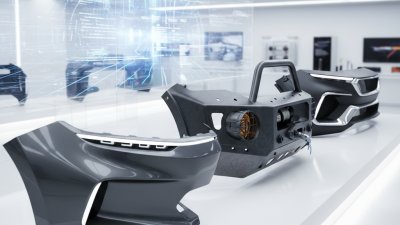
When choosing a car bumper, several factors come into play. Material is key; options include plastic, metal, or composite. Each comes with unique benefits and drawbacks. Consumers often overlook the importance of weight and design, which can affect vehicle performance. A well-designed bumper can significantly reduce repair costs after an accident. Yet, many drivers unintentionally choose aesthetic appeal over safety performance.
Ultimately, the right choice requires careful consideration. It's not only about looks or brand prestige. The right car bumper must provide adequate impact resistance while maintaining the vehicle's overall design. Choosing poorly can lead to long-term safety risks and financial burdens. Reflecting on these points will guide you in making a more informed decision.
Importance of Choosing the Right Car Bumper for Vehicle Safety
Choosing the right car bumper is essential for vehicle safety. A bumper absorbs impact during collisions, protecting critical parts like the engine and fuel system. It acts as the first line of defense, minimizing injury risks in accidents. Consider materials such as plastic and metal. Each has different durability and weight. The right choice can influence the overall safety of your vehicle.
Car bumpers must meet specific safety standards. A poorly chosen bumper can compromise protection. Look for options that have passed crash tests. Assess the fit for your vehicle model. A mismatched bumper may lead to instability in an accident. Reflect on how often you drive in heavy traffic. A robust bumper provides peace of mind in unexpected situations.
Some drivers overlook bumper maintenance, which can lead to safety issues. Regular inspections help identify cracks or fittings that may weaken the structure. Be cautious of cosmetic upgrades that sacrifice safety for appearance. Ensure any modifications still prioritize protection. Evaluating your bumper choice is not just about style, but about your safety and that of your passengers.
Understanding Different Types of Car Bumpers and Their Materials
When selecting a car bumper, understanding materials is crucial. Common types include plastic, steel, and fiberglass. Each material offers unique benefits and drawbacks.
Plastic bumpers are lightweight and flexible, making them popular. A report from the Automotive Materials Association states that approximately 70% of new cars now feature plastic bumpers. However, they may crack under severe impacts.
Steel bumpers are highly durable, providing excellent protection. They can withstand significant damage but add weight to the vehicle. According to industry experts, steel can increase fuel consumption due to added weight. Fiberglass is another choice, known for its sleek design but can be less durable in collisions.
Tips: Consider your driving habits. If you drive in urban areas with frequent parking scrapes, a plastic bumper is better. For off-roading, a steel bumper may be more effective. Regularly inspect your bumper for wear, regardless of material.
Evaluating Compatibility: Factors for Fitment with Your Vehicle Model
Choosing the right car bumper can seem daunting. Compatibility is crucial. First, consider the year, make, and model of your vehicle. Many sources indicate that improper fitment can lead to safety issues. According to a 2021 report by the Automotive Safety Council, around 15% of accidents involve failures in aftermarket parts compatibility. This highlights the need to pay close attention to specs when selecting a bumper.
Next, check for specific features such as mounting points and brackets. Not all bumpers fit all models seamlessly. Indicators suggest that features like sensor placement and alignment can affect overall performance and safety. A study from the International Automotive Engineering Society noted that incorrectly fitted bumpers can compromise airbag deployment efficiency in a collision scenario. Measuring your vehicle and consulting with experts can help in this regard.
Understanding materials is equally important. Bumpers come in various materials, each offering different levels of protection. For example, thermoplastics might be lightweight but less durable than steel. A detailed analysis by the Automotive Research Institute revealed that over 20% of vehicles experienced performance issues due to material mismatches. Evaluating all these factors before making a decision ensures that your new bumper is both functional and safe.
Impact Resistance and Protection Rating: What to Look For
When choosing a car bumper, impact resistance is a crucial factor. Many studies emphasize the importance of protection ratings in vehicle safety. According to the National Highway Traffic Safety Administration (NHTSA), a bumper with a high impact resistance rating can significantly reduce damage during collisions. A quality bumper can absorb energy, minimizing the risk of injury to occupants.
Look for bumpers tested under stringent conditions. The American Society for Testing and Materials (ASTM) provides standards that can guide your selection. Selecting a bumper that meets or exceeds these standards ensures better protection during accidents. It's not just about style; it’s about safety. For instance, bumpers made from high-strength steel or reinforced plastics offer superior durability.
Consider potential trade-offs as well. Some bumpers may provide excellent protection but add extra weight, affecting fuel efficiency. The balance between protection and performance may vary across different vehicle types. Conduct thorough research into the materials and ratings. An informed choice can enhance both safety and functionality without compromising your vehicle's efficiency.
Cost vs. Quality: Budgeting for a Durable Car Bumper Replacement
When considering a bumper replacement, cost and quality are crucial factors. A report by the Automotive Parts Association highlights that around 40% of drivers underestimate the importance of a high-quality bumper. Many opt for the cheapest option, thinking it will save money. However, low-quality bumpers may lead to higher costs later due to rapid wear or damage.
The durability of a bumper can be linked to the materials used in its construction. Research indicates that high-grade materials can increase a bumper's lifespan by up to 50%. While these options might come with a higher price tag upfront, investments in quality can prevent the need for frequent replacements. In most cases, a reliable bumper might cost between $300 to $800, whereas a cheaper one may seem appealing at $150 to $250.
Not every driver considers the long-term implications of a bypassed quality. Spending less now could mean facing future repair costs that surpass the savings. Striking a balance between cost and durability can lead to smarter purchasing. Investing in a quality bumper not only improves safety but also enhances the vehicle's overall value.
Cost vs. Quality: Budgeting for a Durable Car Bumper Replacement