
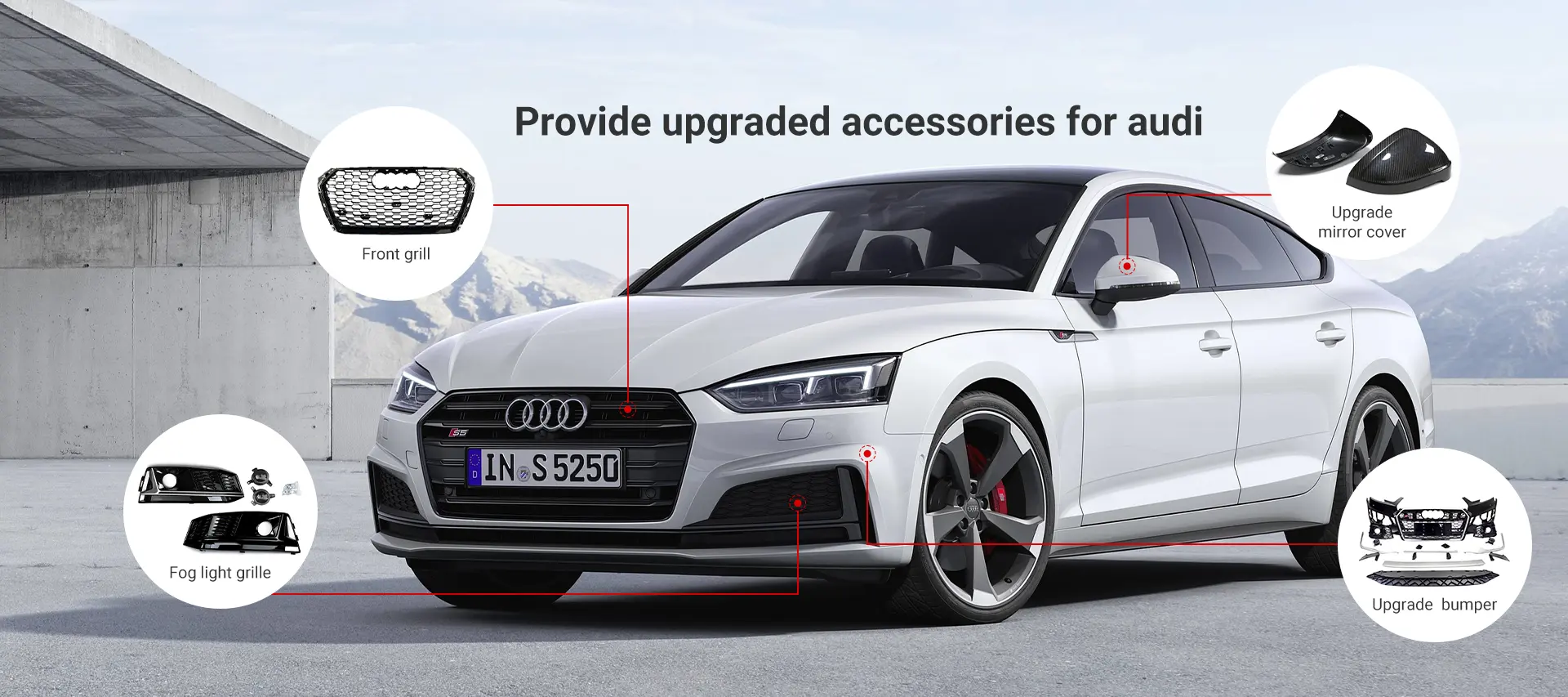
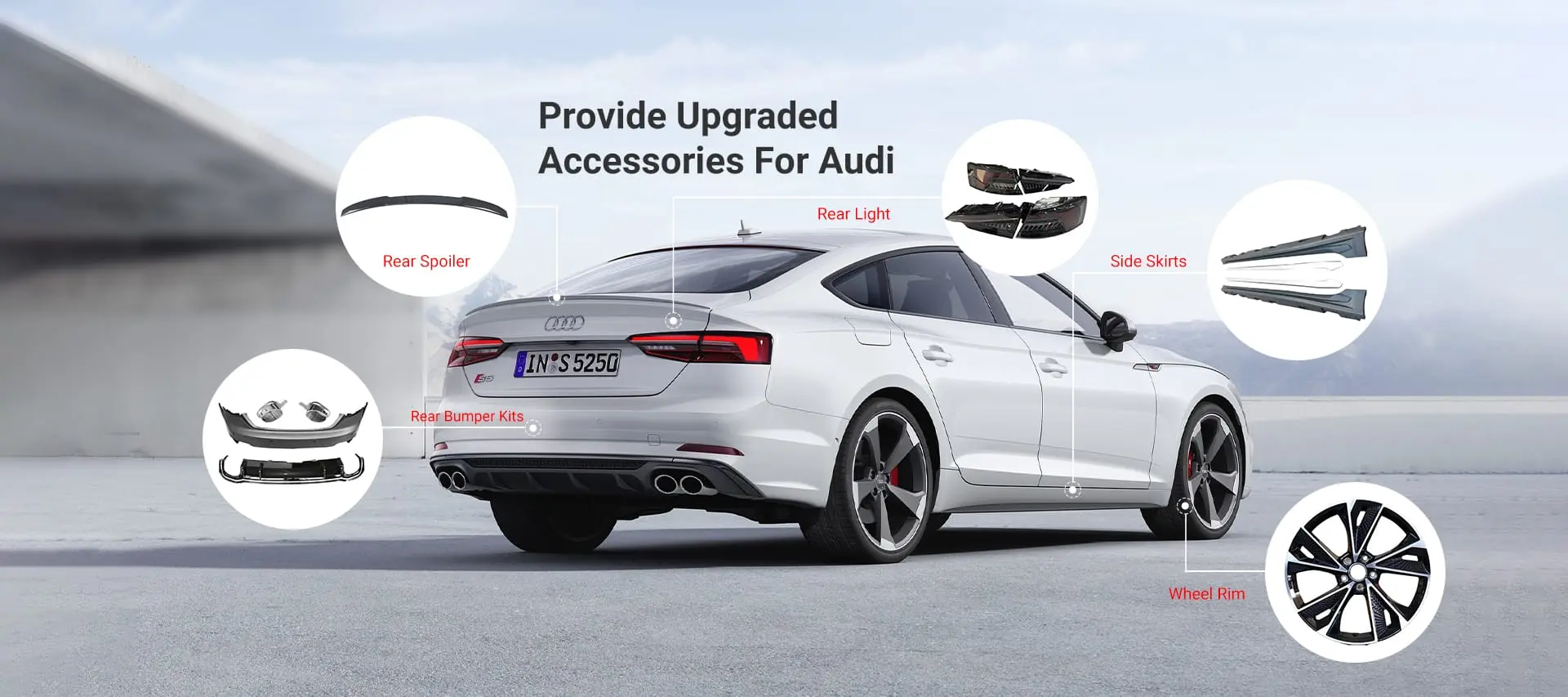
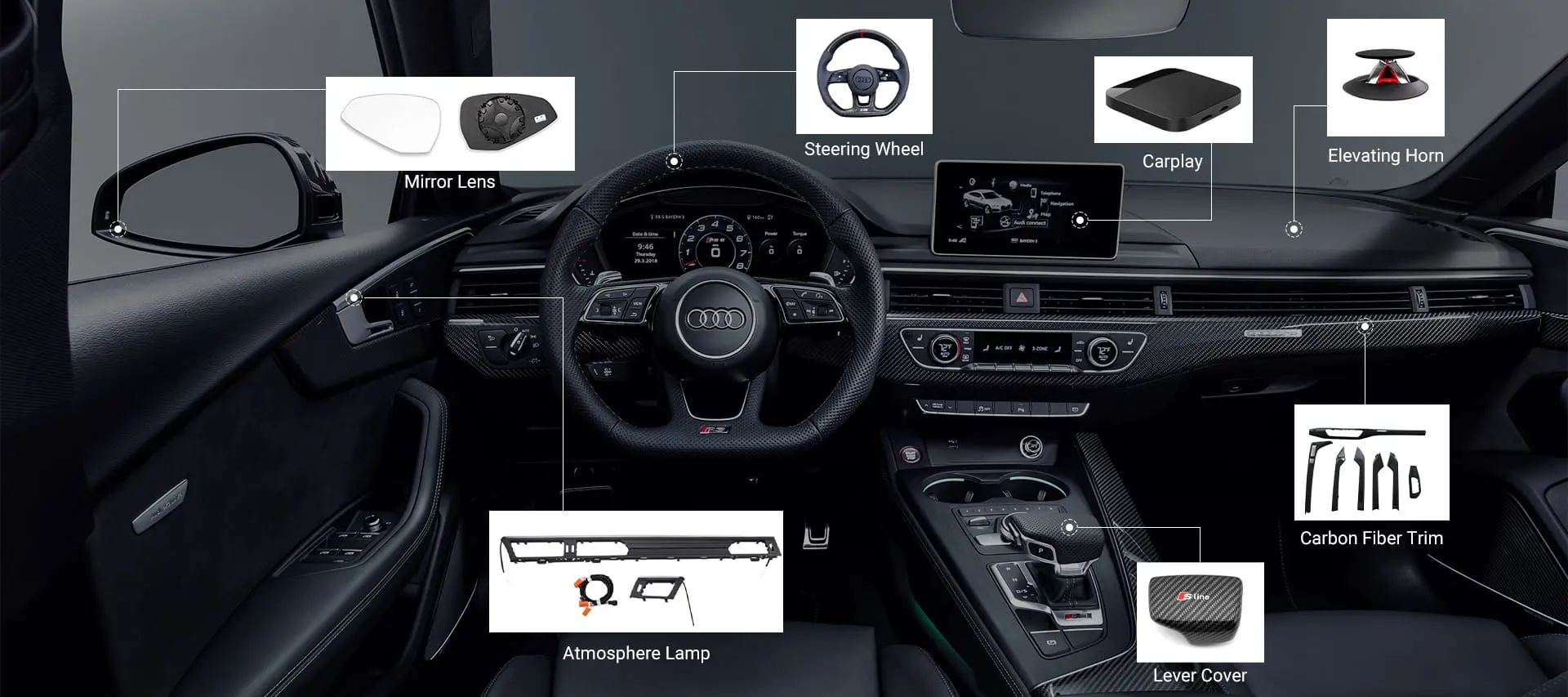
China Best Car Body Kit Manufacturers for Global Buyers
China Best Car Body Kit Manufacturers for Global Buyers
The global vehicle customization market is expanding, but buyers need more than attractive product photos. SEMA’s 2024 Market Report valued the United States specialty-equipment automotive market at approximately $52.6 billion in 2023. That figure includes styling, performance, accessories, and installation services. It shows strong demand for vehicle personalization, including Car Body Kit products.
The wider automotive aftermarket is also becoming more international. Grand View Research estimates that the global automotive aftermarket reached hundreds of billions of dollars in recent years, supported by older vehicles, online commerce, and customization trends. These figures are useful, but they do not automatically prove supplier quality. Market reports often group different product categories together.
Fitment remains critical.
A reliable Chinese manufacturer should provide precise vehicle applications, CAD-based development details, material specifications, production images, and sample-testing records. Buyers should examine fiberglass, polyurethane, ABS, and carbon-fiber options carefully. Each material affects weight, flexibility, repairability, shipping risk, and final installation cost.
Manufacturing experience matters. So does communication.
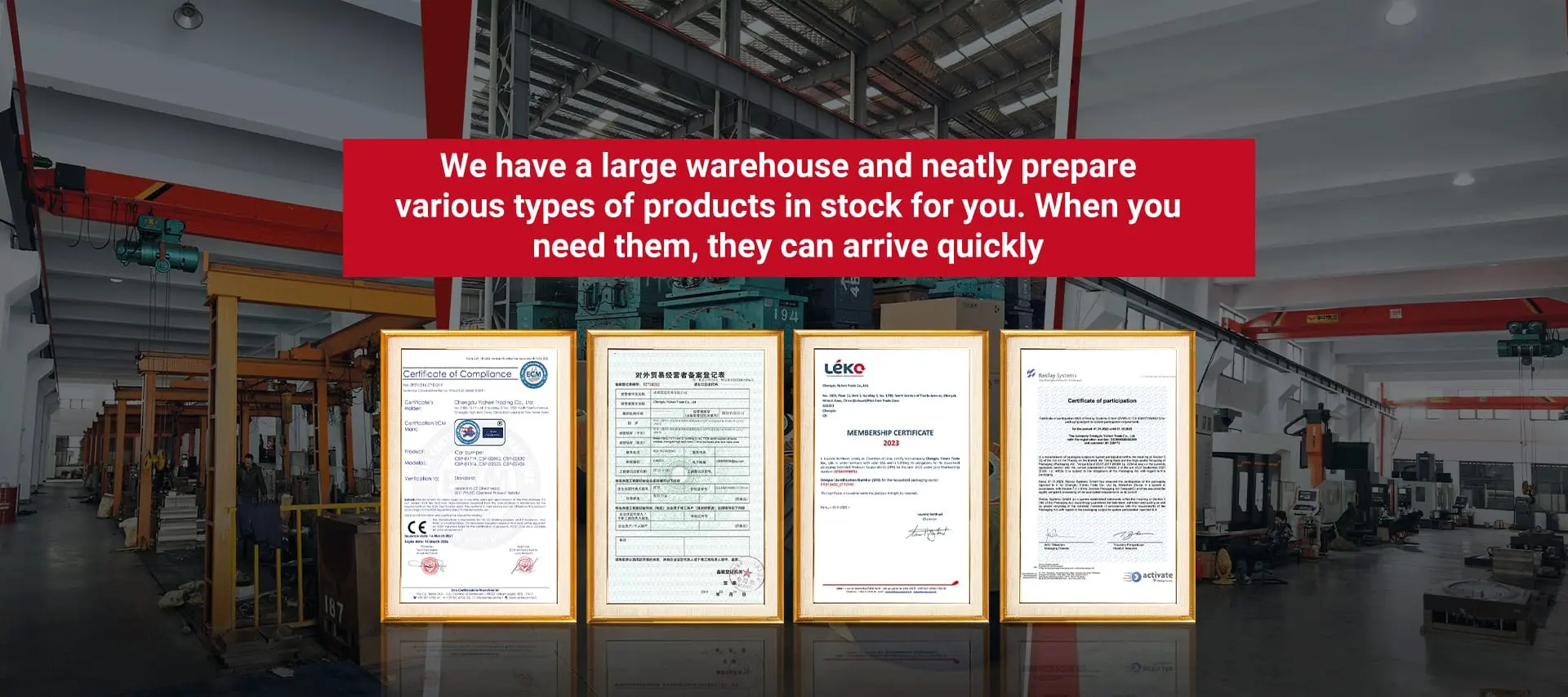
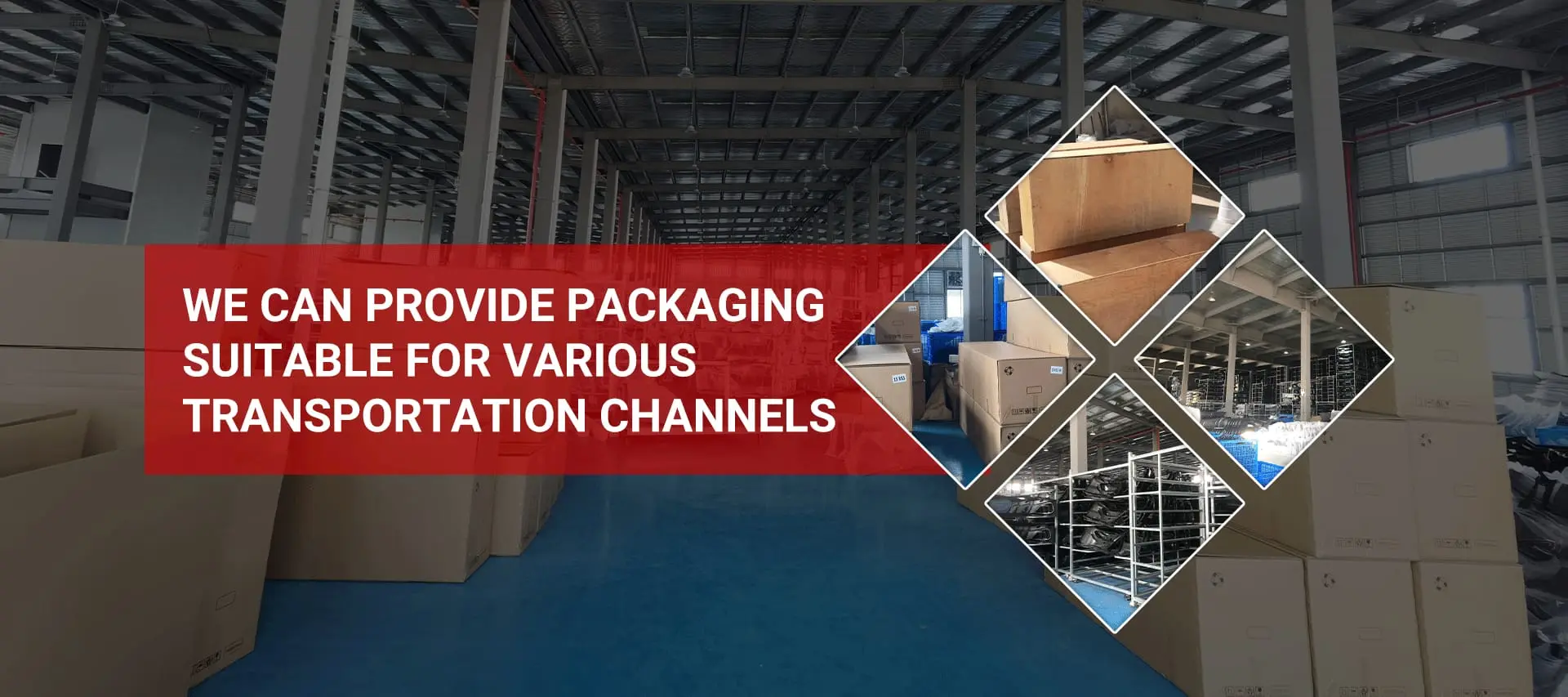
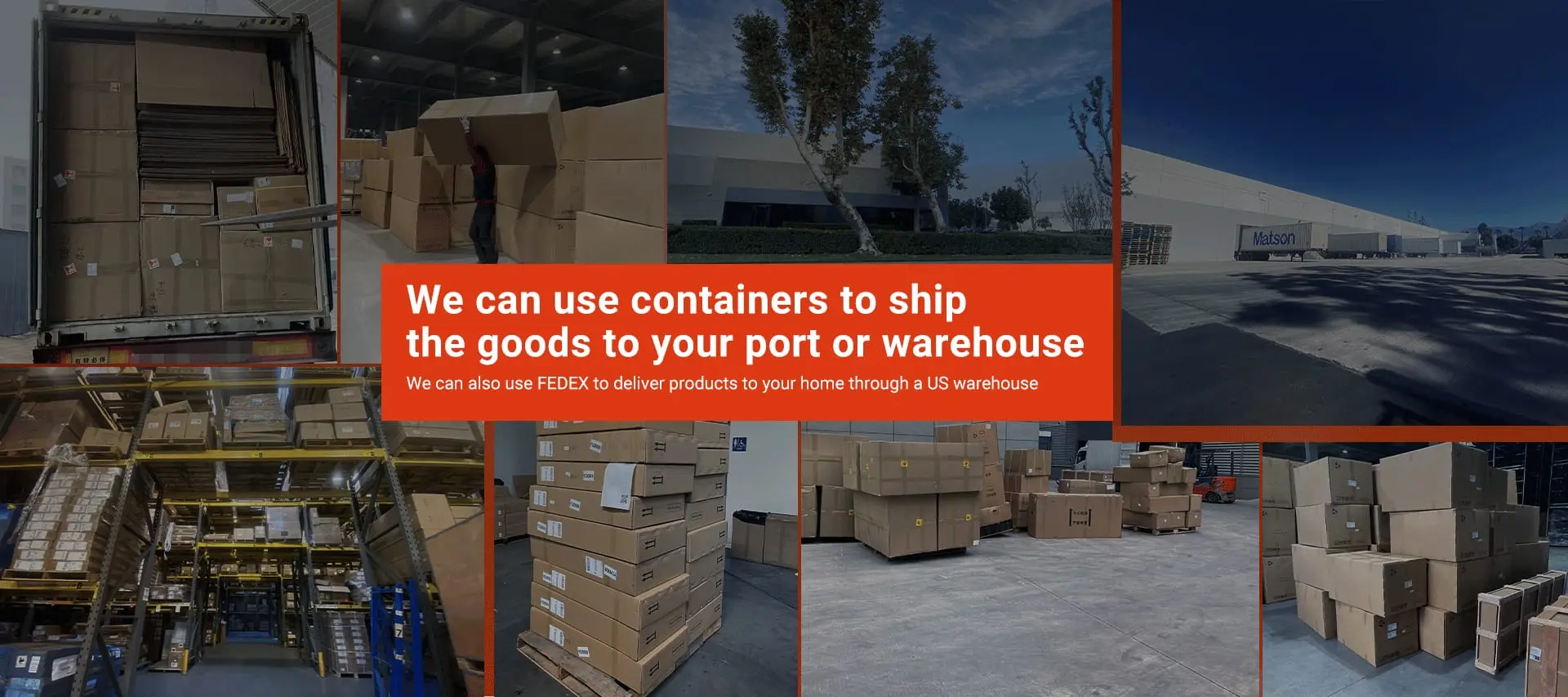
Export buyers should verify factory capacity, mold ownership, quality-control procedures, packaging strength, and after-sales support. A professional supplier should explain tolerance standards instead of promising universal compatibility. Independent inspection can also reduce misunderstandings before shipment.
This guide reviews leading China Car Body Kit manufacturers for global buyers. It considers product engineering, customization ability, certifications, export experience, and buyer feedback. No supplier is perfect. Some websites look impressive but provide limited technical evidence. That weakness deserves attention, not assumptions. The best purchasing decision combines documented capability, practical samples, transparent pricing, and realistic expectations about installation.
Understanding China’s Car Body Kit Manufacturing Industry
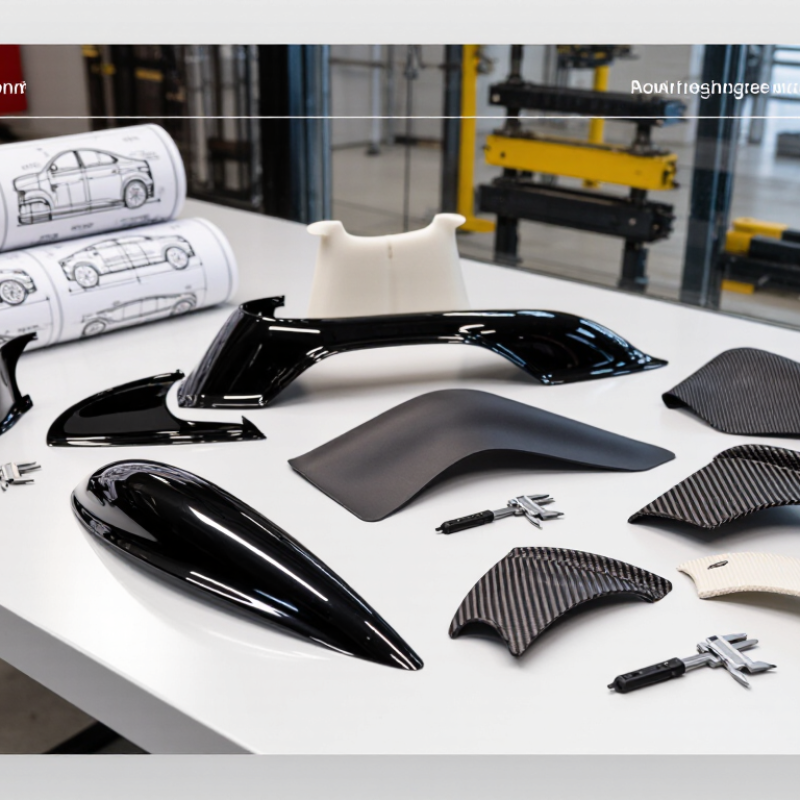
China’s car body kit manufacturing industry combines design engineering, mold production, material processing, and export coordination. Many factories begin with digital scanning or CAD drawings before cutting prototypes. Fiberglass, polyurethane, and reinforced plastics remain common choices because each material offers different weight, strength, and repair characteristics.
On a typical production floor, workers trim panel edges by hand after demolding. They check mounting holes, surface waves, and bumper alignment before painting. Reliable manufacturers use measurement tools, sample fitting, and documented inspection records. Buyers should request material specifications, installation drawings, packaging photos, and test samples before placing larger orders. Small details matter. A two-millimeter gap can become obvious after installation.
Manufacturing quality can vary between factories, even when product photos look similar. Some suppliers manage their own molding and painting departments; others outsource important steps. This difference affects consistency, lead time, and accountability. Export buyers should also confirm packaging strength, customs documents, local vehicle regulations, and compatibility with the target model year. A kit that fits one market’s vehicle may require adjustments elsewhere.
No factory is perfect. Minor paint variation, uneven trimming, or delayed samples may still occur. The useful question is how openly the supplier records and corrects these problems. Clear communication, traceable revisions, and realistic production schedules usually indicate stronger industrial practice. A careful buyer should inspect details, not only attractive showroom images.
China Best Car Body Kit Manufacturers for Global Buyers - Understanding China’s Car Body Kit Manufacturing Industry
A practical industry reference table for evaluating Chinese car body kit suppliers, manufacturing capabilities, export readiness, and product quality. Figures are typical reference ranges and should be confirmed against the supplier’s quotation, technical drawings, samples, and inspection records.
| Evaluation Dimension | Common Industry Data | Typical Manufacturing Practice in China | What Global Buyers Should Verify | Relevant Standard or Reference |
|---|---|---|---|---|
| Main Product Categories | Front Bumpers Rear Bumpers Side Skirts Fender Extensions Spoilers Grilles | Products may be supplied as individual replacement parts, complete exterior conversion packages, or made-to-order styling components for specific vehicle applications. | Confirm vehicle generation, body style, left-hand-drive or right-hand-drive compatibility, mounting points, included hardware, and whether the kit is reversible. | Vehicle-specific engineering drawings and approved product specifications. |
| Common Material Options | PP ABS FRP/GFRP Carbon-Fiber Composite PU | Thermoplastics such as polypropylene and ABS are commonly used for impact-oriented or repeat-production parts. Fiberglass-reinforced polymer is widely used for low-volume styling parts and complex shapes. | Request material declarations, resin or polymer specifications, fiber content where applicable, repair instructions, UV-resistance information, and temperature-performance data. | Material safety data sheets, technical data sheets, and applicable vehicle-part test requirements. |
| Manufacturing Methods | Injection Molding Compression Molding Hand Lay-Up Vacuum Infusion CNC Trimming 3D Scanning | Injection molding is suited to repeatable high-volume thermoplastic parts. Composite parts are often produced using molds, manual lamination, vacuum processes, trimming, sanding, and finishing. | Check mold ownership, dimensional repeatability, tooling maintenance, process-control records, first-article samples, and the expected output per mold. | Supplier process documentation and customer-approved technical drawings. |
| Surface Finish Options | Raw Primered Painted Gloss Matte Clear-Coated | Exterior parts may be shipped unfinished for local painting or supplied with primer and final coating. Composite parts generally require additional surface preparation before painting. | Confirm color reference, gloss level, coating thickness, orange-peel tolerance, pinhole limits, surface inspection method, and packaging protection. | Buyer-approved master sample, color panel, coating specification, and visual inspection criteria. |
| Dimensional Accuracy | Tolerance depends on part size, material, tooling, and inspection datum. Production drawings should define critical dimensions and fitment points rather than relying only on a general tolerance. | Suppliers commonly use vehicle scanning, CAD comparison, templates, gauges, calipers, coordinate measurement, and trial installation to control fitment. | Ask for a dimensional inspection report covering bolt-hole locations, wheel-arch alignment, panel gaps, sensor openings, and interfaces with original components. | Customer drawings, CAD data, inspection plans, and agreed critical-to-quality dimensions. |
| Fitment and Installation | Fitment quality is affected by tooling accuracy, vehicle variation, material shrinkage, warpage, and the need for adjustment during installation. | Better-developed suppliers use prototype fitting, mounting-bracket validation, repeated test installation, and installation guides before mass production. | Verify whether drilling, cutting, heat forming, sanding, or body modification is required. Confirm compatibility with parking sensors, cameras, fog lamps, and air ducts. | Vehicle-specific installation instructions and approved prototype fitment. |
| Quality Management | A formal quality management system supports document control, incoming inspection, process inspection, final inspection, corrective action, and traceability. | More mature factories separate engineering, production, quality control, packing, and after-sales functions and maintain inspection records for each production batch. | Request current quality certificates, audit rights, defect classifications, corrective-action procedures, sampling plans, and batch traceability. | ISO 9001 quality-management principles; automotive projects may additionally require automotive-sector quality-system controls. |
| Automotive Quality Capability | Automotive-grade projects generally require stronger process control than decorative aftermarket products, particularly for fitment, repeatability, traceability, and change management. | Capable suppliers can provide process flow charts, control plans, failure-mode analysis, inspection equipment records, and documented engineering changes. | Determine whether the supplier has experience with formal automotive quality requirements and can provide production-part approval documentation where required. | IATF 16949 is an automotive quality-management standard; applicability depends on the project and customer requirements. |
| Safety and Regulatory Review | Body kits can affect external projections, lighting positions, pedestrian interaction, crash-related components, airflow, ground clearance, and sensor performance. | Export-oriented suppliers should provide design information and support testing or documentation required by the destination market instead of treating the product as purely cosmetic. | Confirm whether the part is road-legal in the destination country and whether local approval, inspection, lighting certification, impact testing, or engineering sign-off is required. | UNECE regulations, national vehicle inspection rules, and destination-market legislation may apply. |
| Prototype and Sampling | A normal development sequence is: design review, prototype or sample, vehicle fitment, revision, pre-production sample, and final production approval. | Samples may be produced by rapid prototyping, modified tooling, composite molds, or pilot production before investment in final production tooling. | Confirm sample price, sample lead time, revision policy, tooling charges, ownership of CAD files, and whether the approved sample becomes the production reference. | Signed sample approval, golden sample, engineering-change record, and revision-controlled drawings. |
| Order Volume and Tooling | Low-volume composite production generally requires less initial tooling investment but may have more manual labor and greater part-to-part variation. High-volume thermoplastic production usually requires dedicated molds. | Suppliers may offer OEM-style tooling, shared tooling, modified existing molds, or low-volume composite molds depending on annual demand and customization level. | Clarify minimum order quantity, mold cost, mold life, storage responsibility, maintenance cost, replacement policy, and ownership after project completion. | Commercial tooling agreement and approved product-development contract. |
| Typical Production Stages | Design confirmation → tooling → trial sample → fitment test → surface finishing → inspection → packing → export documentation. | Production may include mold preparation, material cutting or molding, trimming, drilling, sanding, primer application, painting, curing, final assembly, and inspection. | Request a process flow, production schedule, inspection checkpoints, and photographs or reports for critical stages. | Approved process flow chart and inspection control plan. |
| Packaging and Export Protection | Large exterior parts are vulnerable to impact, deformation, abrasion, moisture, and paint damage during handling and ocean or air transportation. | Common protection includes foam, corrugated cartons, edge guards, plastic film, reinforced pallets, and customized internal supports. | Confirm carton dimensions, gross weight, palletization, moisture protection, stacking limits, spare-part policy, shipping marks, and damage-claim procedure. | Buyer-approved packing specification and destination-country import requirements. |
| International Shipping Data | Freight cost is strongly influenced by packed volume, chargeable weight, destination, Incoterms, transport mode, and customs classification. | Suppliers may quote EXW, FOB, FCA, CIF, or DAP terms. Oversized body panels often require volume-based freight calculations even when their actual weight is low. | Compare packed dimensions and chargeable weight rather than product weight alone. Confirm export documents, commercial invoice, packing list, certificate requirements, and responsibility for customs clearance. | Incoterms® rules and destination-country customs regulations. |
| Supplier Verification | A reliable evaluation combines factory documentation, physical inspection, sample quality, production capability, export history, and after-sales responsiveness. | Verification may include a remote factory audit, third-party inspection, sample-order assessment, production-line review, and review of non-conformance records. | Check legal entity information, manufacturing address, equipment list, workforce capability, subcontracting controls, reference projects without relying only on catalog images, and payment terms. | Supplier audit checklist, inspection report, contract, and purchase-order requirements. |
| Cost Structure | Total landed cost includes product price, tooling, sampling, painting, packaging, inland transport, freight, insurance, duties, taxes, inspection, installation, and potential rework. | The lowest unit quotation may exclude molds, brackets, fasteners, painting, sensor provisions, special packaging, or compliance documentation. | Request a line-item quotation with tooling, sample, unit price, packaging, freight assumptions, payment milestones, warranty coverage, and replacement terms shown separately. | Written quotation, purchase contract, Incoterms® rule, and agreed quality specification. |
| After-Sales and Warranty | Common after-sales issues include shipping damage, missing hardware, paint defects, poor fitment, material cracking, warpage, and incomplete installation information. | Strong suppliers maintain replacement-part procedures, technical support, installation guidance, root-cause analysis, and documented corrective actions. | Define warranty duration, claim evidence, response time, replacement responsibility, freight allocation, exclusions, and treatment of installation-related damage. | Written warranty policy and contractually agreed defect-resolution procedure. |
Related Posts
-
7 Tips for Choosing the Best Car Bodykit
-
China Top 10 Car Bodykits for Global Buyers to Consider?
-

Top 10 Car Bodykits You Must Consider for Your Vehicle?
-

Top 10 Car Body Kits in China That Global Buyers Should Consider?
-
Top 10 Car Bodykits for Stunning Vehicle Customization Ideas?
-
Top 10 Car Body Kit Options for Your Vehicle Style?


