

7 Best Audi Appearance Modification Accessories for 2026?

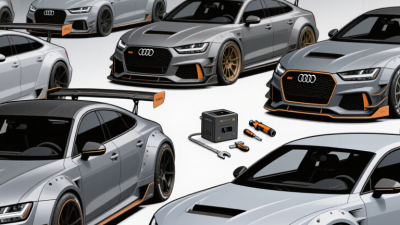
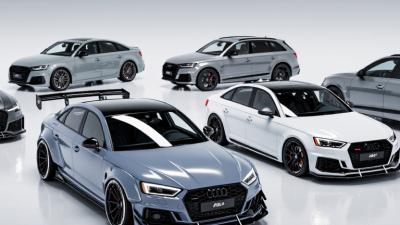
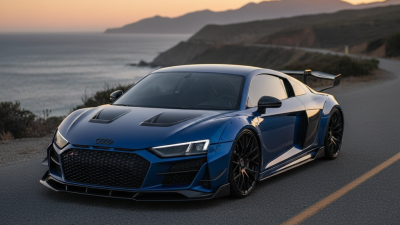
A refined Audi appearance is rarely the result of one dramatic upgrade. It often comes from balanced details: a sharper grille, clean side skirts, or wheels that suit the car’s proportions. This guide explores seven Audi Appearance Modification accessories worth considering in 2026, from subtle exterior accents to more noticeable styling changes.

The right choice depends on your Audi’s model, year, trim, and original equipment. A front lip that fits one A4 may not fit another, even when the cars look similar. Check manufacturer fitment notes, installation requirements, and material quality before ordering. Small details matter. Poor alignment can make an upgrade look unfinished, while a well-fitted piece can feel like a natural part of the design.

We’ll consider appearance, practical installation, durability, and how each accessory works with the vehicle’s existing lines. Some owners may prefer restrained changes; others may want a bolder look. Neither approach is automatically better. One honest limitation: product photos can hide uneven panel gaps, and finishes may look different in daylight. Compare real-world images when available, and confirm compatibility with a qualified installer if fitment is unclear. These seven options are starting points, not a promise that every accessory suits every Audi.
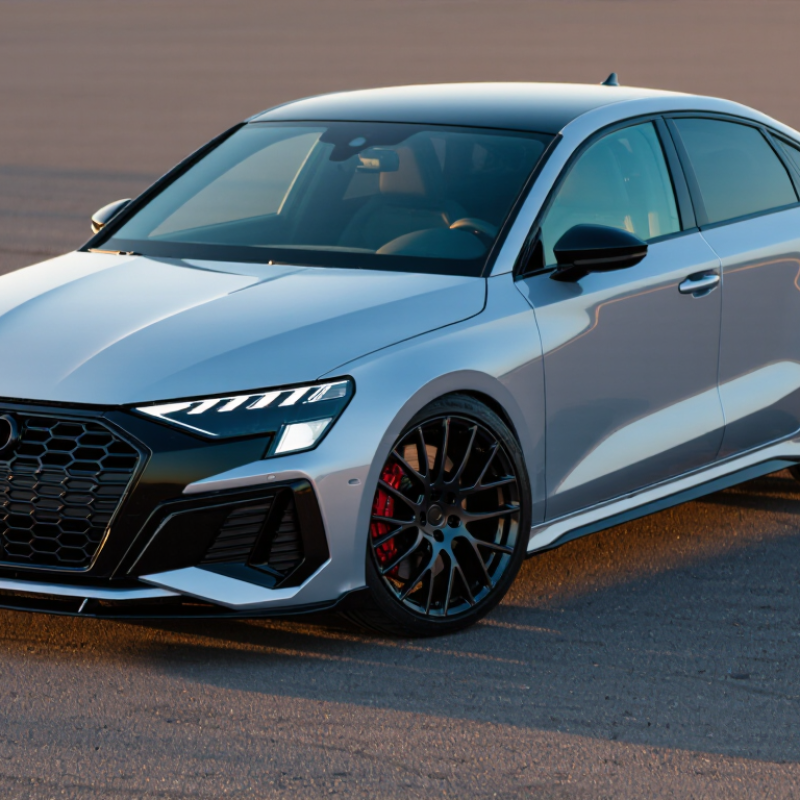
7 Best Audi Appearance Modification Accessories for 2026?

Choosing Audi Appearance Accessories by Model, Trim, and Fitment in 2026

Choosing appearance accessories for a 2026 vehicle starts with its exact model year, body style, and trim. Similar-looking versions may use different bumper shapes, grille openings, or mounting points. Check the product’s fitment notes against the vehicle identification details, not just the model name. Small details matter.

A front lip, side skirts, mirror covers, rear spoiler, grille insert, window trim, and wheel accents can create a coordinated look. They do not all need to be installed together. For example, a dark grille insert may suit a restrained build, while a bright lip can look out of place beside standard trim. Still, photos can be misleading; lighting and camera angles often change how finishes appear.

Before ordering, compare measurements and inspect the listed attachment method. Confirm that parking sensors, cameras, and nearby seams remain unobstructed. Some accessories use existing mounting points; others may require more involved installation. Measure twice. If fitment details are vague, ask for clarification or choose a better-documented option. I would also test one small accent first. It is easy to overdo a clean design, and that is worth reconsidering.

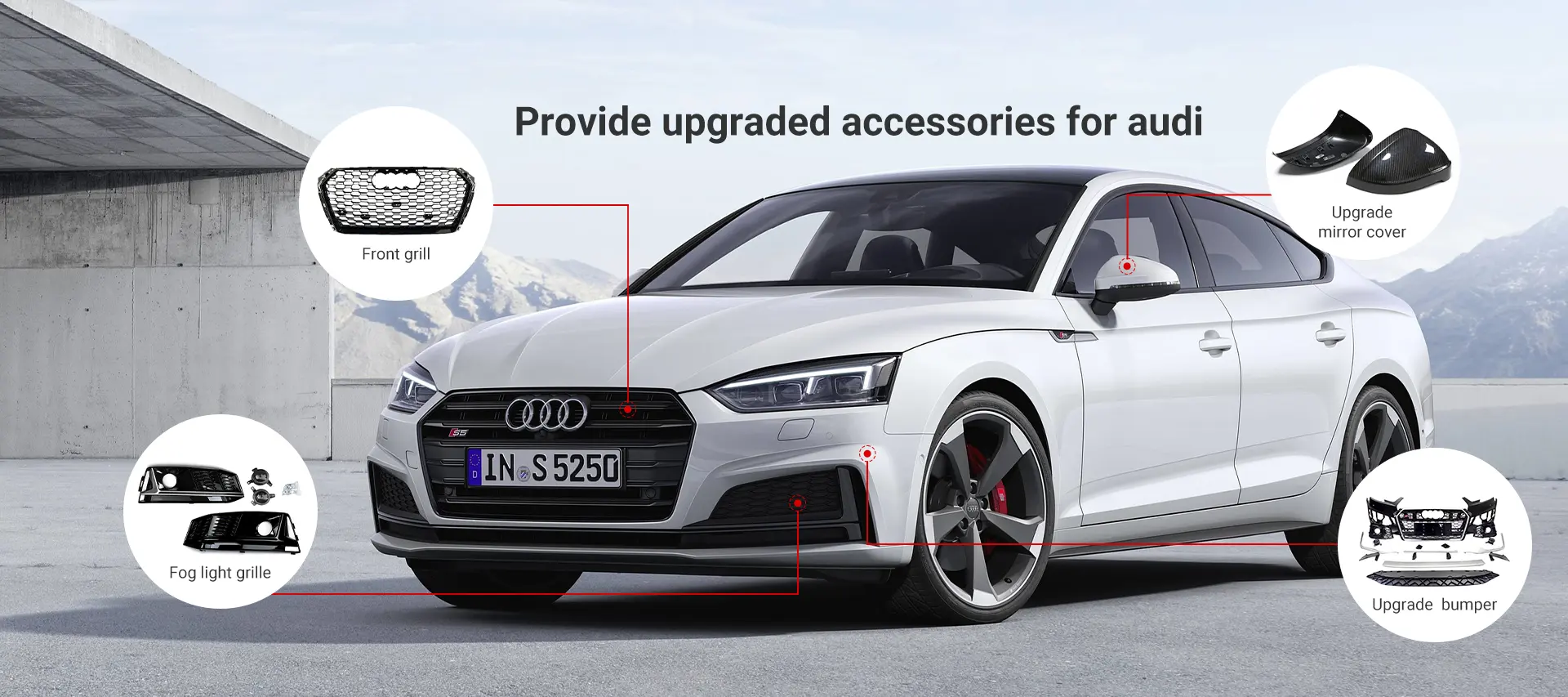
Front-End Upgrades: Grilles, Emblems, and Splitters

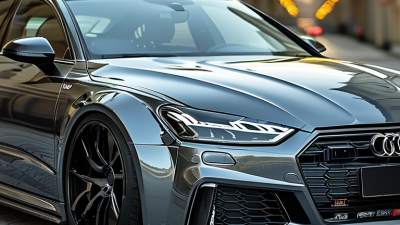
A sharper front end can change an entire car’s character. A grille with clean, even mesh adds depth without overpowering the factory lines. Choose an emblem finish that matches nearby trim; a bright badge can look oddly out of place beside dark accents. A front splitter creates a lower, wider visual stance. Keep its shape modest if the car already sits close to the road.

Fitment matters more than dramatic styling. Check the grille’s mounting points, camera openings, and parking-sensor positions before ordering. Splitters should align with the bumper and use secure hardware suited to the vehicle. Poor alignment leaves visible gaps, and even a small edge can catch on steep driveways. I once preferred the boldest option, but it made the front look busy. Not every upgrade improves the design.

Tips: Compare product photos with your exact model year and trim. Inspect the finish in daylight, where color differences show clearly. Test-fit parts before final installation, and follow the supplied instructions. Small details matter. A careful fit often looks better than a louder design.

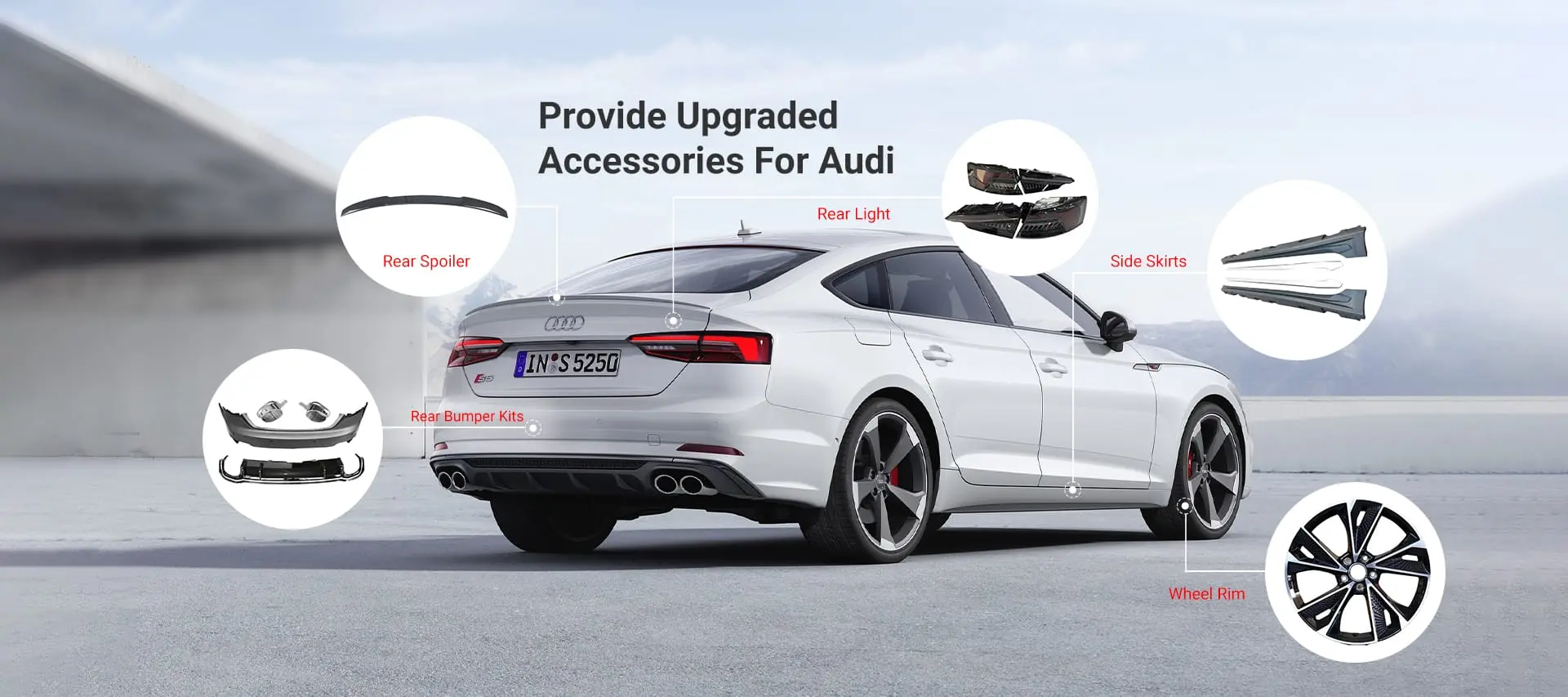
Side and Rear Styling: Side Skirts, Diffusers, and Mirror Caps

Side skirts, rear diffusers, and mirror caps can sharpen an Audi’s appearance without changing its overall character. Side skirts create a lower visual line between the wheels, especially when their shape follows the factory bodywork. On a low car, even a modest extension can look dramatic. Check ground clearance before choosing a deeper design; steep driveways and parking stops can quickly leave marks underneath. A close fit matters more than an aggressive profile. Measure twice.

A rear diffuser adds texture beneath the bumper and can make the back of the car look more planted. Choose a shape that matches the bumper’s contours, and avoid pieces that hang noticeably below the surrounding trim. Mirror caps are a smaller change, but their finish catches light at eye level. Satin surfaces tend to hide fingerprints better than glossy ones, though gloss can connect neatly with dark window trim. Before buying, confirm the exact model year and mirror or bumper configuration; details can vary between trims. Installation may require careful removal of clips, so use the correct tools and stop if a panel resists. The result should feel intentional, not forced.

Wheel Upgrades: Designs, Sizes, and Finishes

Wheel upgrades can sharpen a performance sedan’s stance, but design should not outrank fitment. SEMA’s 2023 Market Report valued U.S. specialty-equipment sales at $52.3 billion that year. The figure spans many categories, not wheels alone, so it signals a broad customization market rather than specific wheel demand. For a restrained look, multi-spoke designs show off the brakes; a simpler five-spoke face is easier to clean. Dark finishes can make a wheel appear smaller, while bright or machined faces catch light and emphasize its shape. Small details matter.

Size and fitment need careful checking. Confirm diameter, width, offset, bolt pattern, and brake clearance against the vehicle’s exact year and trim. Also verify the wheel’s load rating and the tire’s approved size. A larger diameter may leave less sidewall, which can mean a firmer ride and greater exposure to pothole damage. Changes to overall tire diameter may also affect speedometer readings. Before ordering, compare the proposed setup with the vehicle manual or a qualified fitment specialist. Finish durability matters, too: road grime and harsh cleaners can dull some surfaces.

I’d choose the wheel that clears correctly and suits daily roads, even if its design is less dramatic. A perfect photo fit is not always a practical one.

Installation, Material Quality, and Road-Legal Considerations

Appearance accessories look simple, but installation often decides whether they feel refined or distracting. Dry-fit trim pieces before removing adhesive backing. Check panel gaps in daylight, where uneven edges are easier to spot. Fit matters. Clean painted surfaces with a suitable, residue-free cleaner, then let them dry fully. For screw-mounted parts, use the specified torque; overtightening can crack plastic or distort a bracket. Avoid covering parking sensors, cameras, vents, or identification plates.

Material quality matters after the first sunny summer, not just in a product photo. UV-resistant polymers help reduce fading and brittleness, while coated metal should have smooth edges and an even finish. Inspect clips for clean molding and adhesive for consistent coverage. Cheap-looking details can age quickly. Still, material labels are not proof of durability; temperature, road grit, and washing habits all affect wear. That is an easy detail to underestimate.

Road legality depends on location and vehicle configuration, so check current local requirements before fitting exterior parts. Keep lamps, reflectors, windows, and plates unobstructed, and avoid sharp projections. Changes near sensors may affect their operation even when the accessory seems small. Save installation instructions and receipts, and ask a qualified installer when wiring or bodywork is involved. A tidy result is not automatically a compliant one.

7 Audi Appearance Accessories: Typical DIY Installation Time

Estimated time ranges for common appearance upgrades. Actual installation time depends on the vehicle, the accessory design, and the installer’s experience.

Road-legal check: Requirements vary by location. Before fitting accessories, check local rules for window tint, exterior lighting color and visibility, license-plate visibility, and protruding or sharp components. Follow the accessory’s instructions and confirm that it is compatible with your vehicle.